DbcultAccessing Vault...
Cult Review
Senior Film Conservator
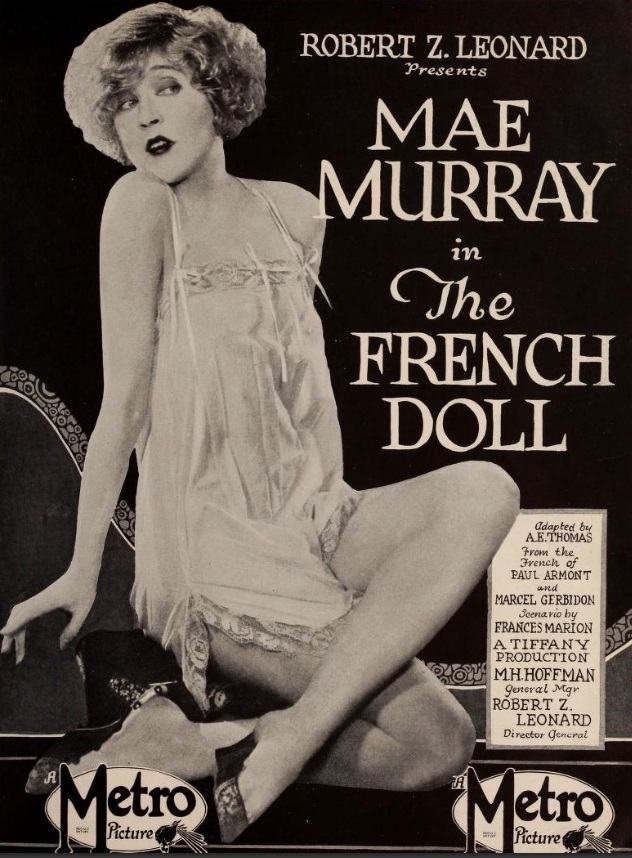
The French Doll, a 1923 silent film, is a masterful tale of love, deception, and redemption, set against the opulent backdrop of high society. As the story unfolds, we are introduced to Georgine Mazulier, the daughter of a French furniture dealer, who finds herself entangled in a world of fake antiques and high-stakes romance. With her father and the cunning American hustler, Snyder, exploiting her innocence to swindle millionaires, Georgine's life becomes a complex web of lies and manipulation.
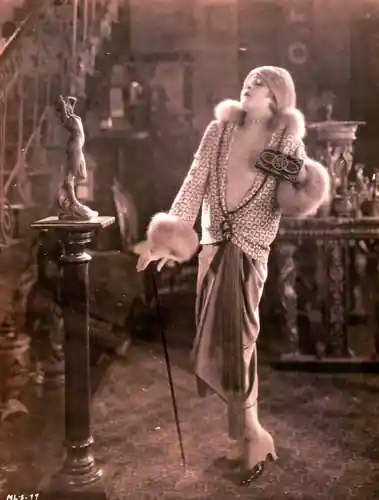
As Georgine's fascination with the enigmatic Pedro Carrova, a gigolo with a penchant for seduction, grows, her parents become increasingly concerned. In an effort to distract her from the perceived threat of Carrova's influence, the Mazuliers set their sights on the wealthy Wellington Wick, a tycoon with a reputation for being a worthy suitor. As they navigate the intricate world of high society, the family's true intentions are slowly revealed, and the lines between loyalty, love, and deception become increasingly blurred.
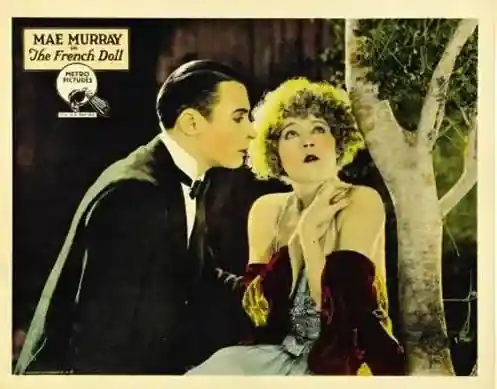
The film's use of location is a notable aspect, with the sun-kissed beaches of Palm Beach, Florida, providing a stunning backdrop for the unfolding drama. As Georgine and her family become embroiled in a tangled dance of love, loyalty, and betrayal, the film's cinematography masterfully captures the essence of the era, with intricate details and opulent settings that transport the viewer to a bygone age. The dark orange hues of the setting sun, the yellow tones of the luxurious decor, and the sea blue waters all combine to create a visually stunning experience that draws the viewer in and refuses to let go.
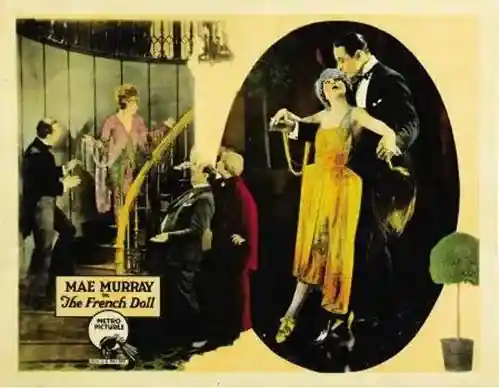
As the story reaches its climax, Georgine's journey takes a dramatic turn, and she is forced to confront the true nature of her desires and the worthiness of her suitors. With the film's themes of love, loyalty, and deception expertly woven throughout the narrative, the viewer is left to ponder the complexities of the human heart and the enduring power of true love. In comparison to other films of the era, such as Avatar and Judge Not, The French Doll stands out for its nuanced exploration of the human experience, and its ability to balance light and dark, hope and despair, in a way that is both captivating and thought-provoking.
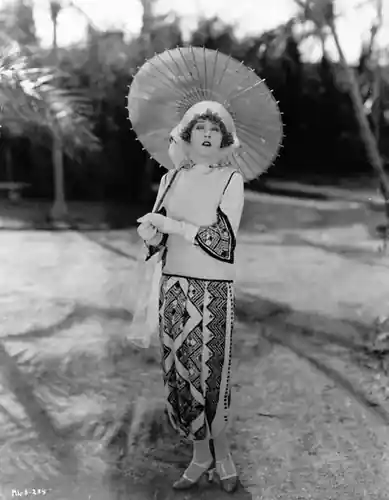
The cast, which includes Willard Louis, Rose Dione, and Mae Murray, delivers performances that are both captivating and nuanced, bringing depth and complexity to the characters and their relationships. The chemistry between the leads is palpable, and the supporting cast adds a richness and texture to the narrative that is both engaging and immersive. The film's writers, including Paul Armont, Alfred A. Cohn, and Frances Marion, have crafted a story that is both engaging and thought-provoking, with a narrative that is full of twists and turns that keep the viewer on the edge of their seat.
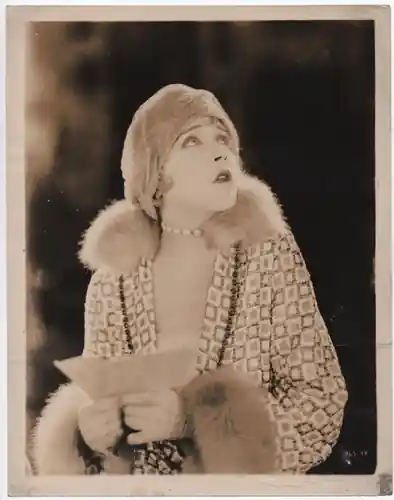
In terms of its place within the broader cinematic landscape, The French Doll can be seen as part of a tradition of films that explore the complexities of love and relationships, such as Heart Strings and The Virtuous Model. However, the film's unique blend of drama, romance, and social commentary sets it apart from its contemporaries, and its influence can still be seen in films today. With its masterful storytelling, stunning cinematography, and captivating performances, The French Doll is a must-see for fans of silent cinema, and a testament to the enduring power of film to capture the human experience.
As the film draws to a close, the viewer is left to ponder the implications of Georgine's journey, and the lessons that can be learned from her experiences. With its exploration of themes such as love, loyalty, and deception, The French Doll offers a nuanced and thought-provoking commentary on the human condition, and the ways in which we navigate the complexities of relationships and desire. Whether viewed as a product of its time, or as a timeless classic, The French Doll is a film that continues to captivate and inspire audiences, and its influence can still be felt in the world of cinema today. For fans of silent film, or simply those looking to experience a masterpiece of cinematic storytelling, The French Doll is a must-see, and a testament to the enduring power of film to capture the human experience.
The film's influence can also be seen in more recent films, such as Beyond the Wall and South of Suva, which explore similar themes of love, loyalty, and deception. However, The French Doll remains a unique and captivating film that offers a glimpse into a bygone era, and the ways in which film was used to tell stories and capture the human experience. With its stunning cinematography, captivating performances, and nuanced exploration of the human condition, The French Doll is a film that continues to inspire and captivate audiences, and its influence can still be felt in the world of cinema today.
In conclusion, The French Doll is a masterpiece of silent cinema, with a nuanced and thought-provoking exploration of the human condition. With its stunning cinematography, captivating performances, and masterful storytelling, the film is a must-see for fans of silent film, and a testament to the enduring power of film to capture the human experience. Whether viewed as a product of its time, or as a timeless classic, The French Doll is a film that continues to captivate and inspire audiences, and its influence can still be felt in the world of cinema today. For those looking to experience a masterpiece of cinematic storytelling, The French Doll is a must-see, and a film that will leave a lasting impression on all who watch it.
IMDb —
1928
Community
Log in to comment.