DbcultAccessing Vault...
5.8/10
Senior Film Conservator
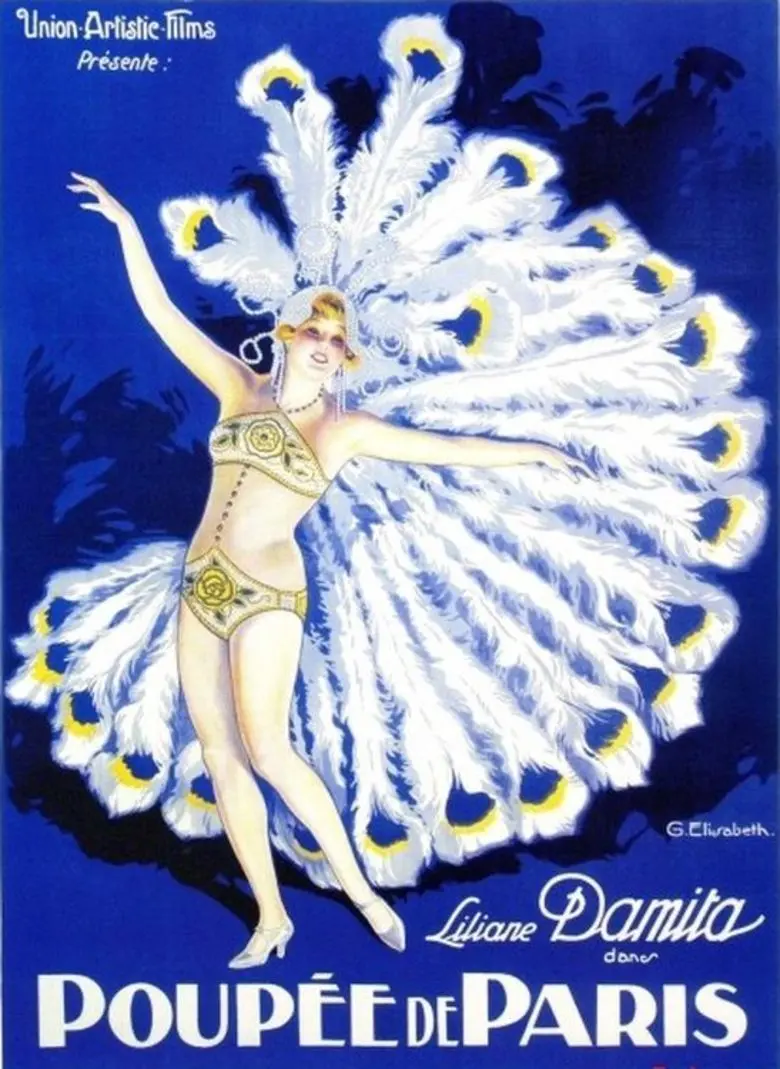
A definitive 5.8/10 rating for a film that redefined the boundaries of cult cinema. Das Spielzeug von Paris remains a cornerstone of transgressive art.
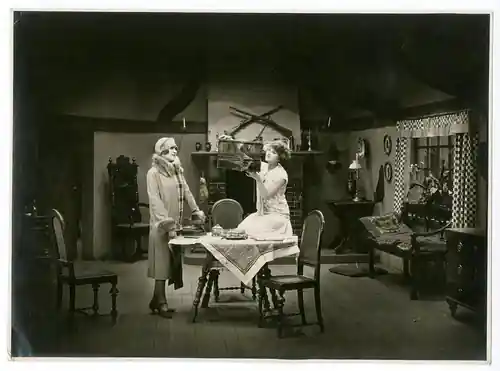
In the 1925 silent film Das Spielzeug von Paris (The Toy of Paris), a beguiling narrative unfolds, replete with themes of love, sacrifice, and the capricious nature of fate. The film, penned by Margery Lawrence, presents a fascinating case study of a British playboy who woos a talented dancer, convincing her to relinquish her career and join him in a bucolic existence.
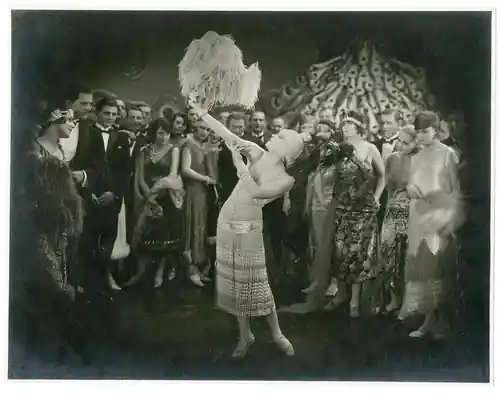
The story commences with an air of promise, as our protagonist, played by Maria Asti, acquiesces to her husband's desires, seemingly content to trade her dancing shoes for a life of domesticity. Yet, the embers of her former life continue to smolder, awaiting the spark that will rekindle her passion. That spark arrives in the form of a lavish party hosted by her former manager, where she is persuaded to reprise one of her celebrated dances.
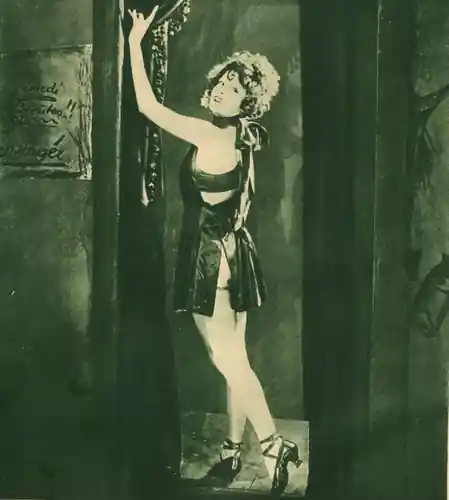
This fateful performance serves as a catalyst, unleashing a torrent of emotions that had been simmering beneath the surface. A heated confrontation with her husband ensues, culminating in his abrupt departure into the midst of a raging storm. As she ventures into the tempestuous night to locate him, her existence is repeatedly imperiled, underscoring the perilous nature of her quest.
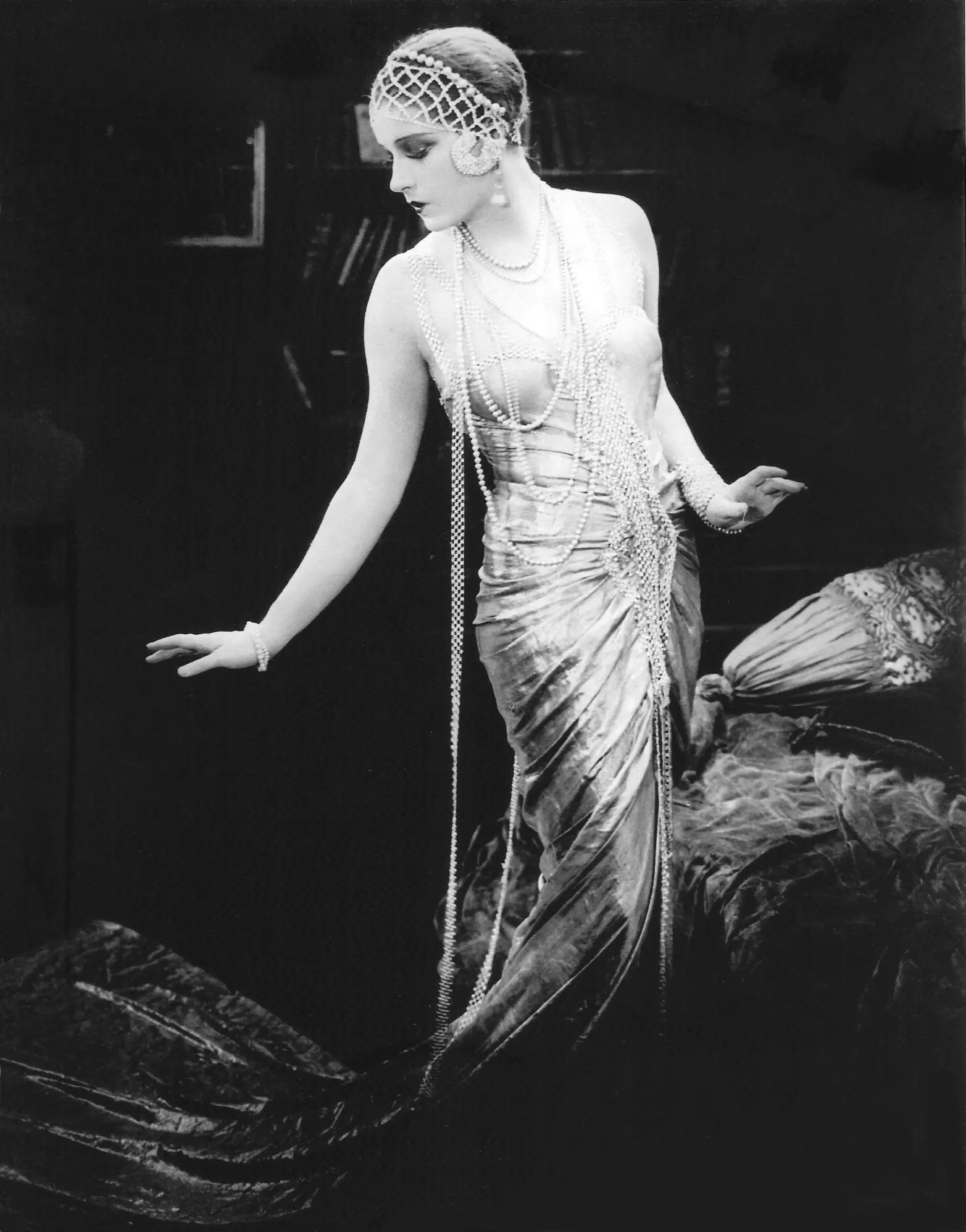
Throughout the film, the performances of the cast are noteworthy, with Lili Damita delivering a particularly memorable portrayal. The cinematography, though a product of its time, retains a certain nostalgic charm, transporting viewers to the enchanting world of 1920s Paris.
In comparison to other films of the era, Das Spielzeug von Paris shares thematic resonances with Aura o las violetas, which also explores the tensions between love and artistic ambition. Similarly, The Kiss and You Find It Everywhere feature strong female leads navigating complex relationships, while Der König ihres Herzens and A Man's Making examine the intricacies of romantic relationships in the context of societal expectations.
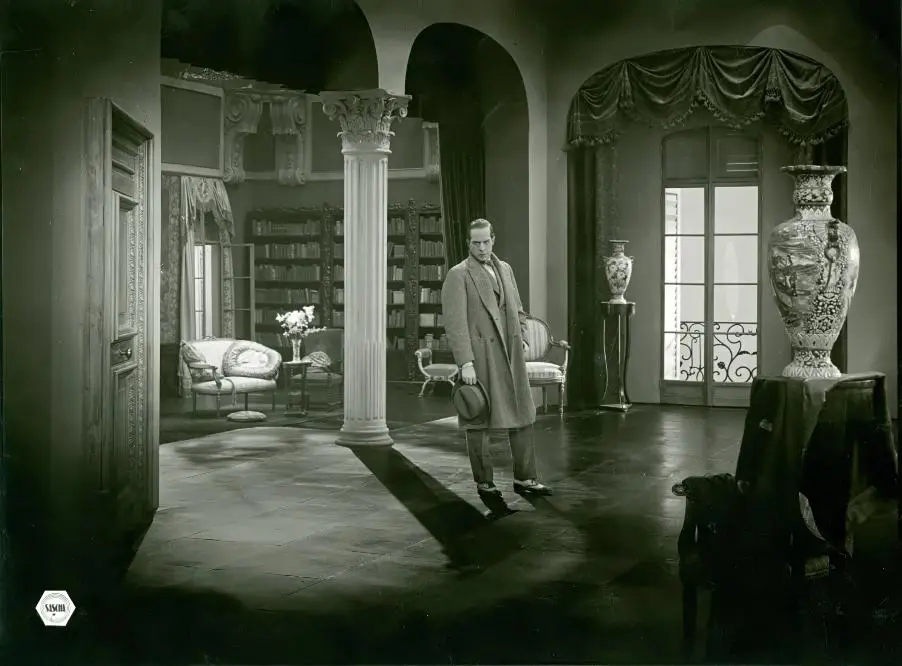
The film's use of mise-en-scène and editing techniques is reminiscent of On with the Show, which also employs a mix of location shooting and studio sets to create a sense of visual spectacle. Meanwhile, Alsace and Das Spielzeug von Paris is a captivating silent film that warrants attention from cinephiles and scholars alike. Its exploration of love, sacrifice, and the human condition continues to resonate with audiences today, offering a poignant reminder of the enduring power of cinema to transcend time and circumstance.
The film's legacy is a testament to the innovative storytelling and cinematic techniques of its era, deserving of consideration alongside other notable films of the period, such as The Counterfeit Trail, Riders of the Law, and The Jack Rider. As a work of art, Das Spielzeug von Paris remains an enchanting and thought-provoking experience, inviting viewers to immerse themselves in its richly textured world.
Ultimately, the film's impact is amplified by its nuanced performances, evocative cinematography, and a narrative that continues to enthrall audiences with its complexity and emotional depth. For those interested in exploring the cinematic treasures of the silent era, Das Spielzeug von Paris is an essential destination, offering a captivating journey into the heart of 1920s Paris.
IMDb 8
1927
Community
Log in to comment.