DbcultAccessing Vault...
8/10
Senior Film Conservator
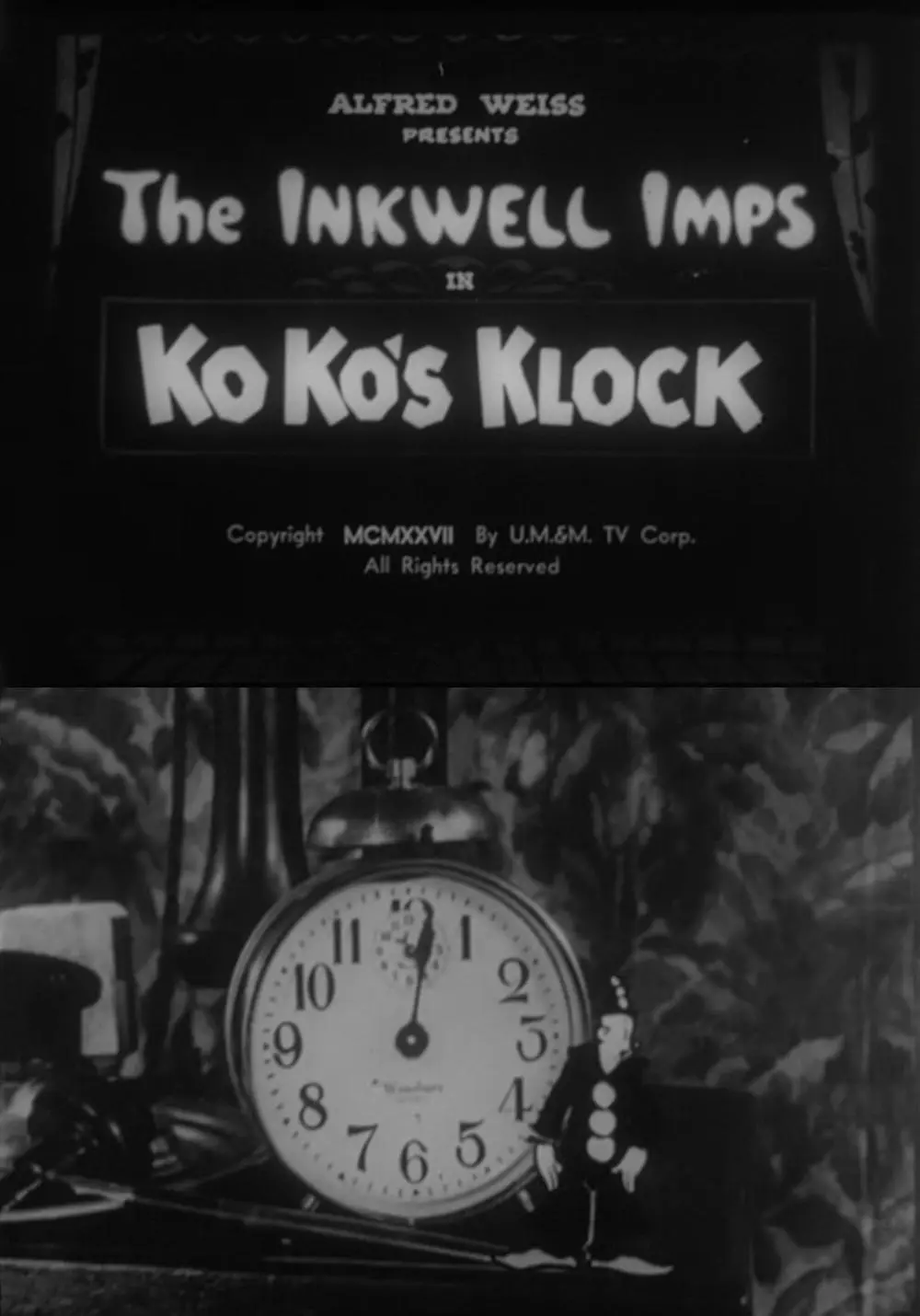
A definitive 8/10 rating for a film that redefined the boundaries of cult cinema. Ko-Ko's Klock remains a cornerstone of transgressive art.
Is Ko-Ko's Klock worth watching today? Short answer: yes, but with a significant asterisk. While it serves as a fascinating historical artifact and a testament to early animation's burgeoning creativity, its appeal as pure entertainment for a modern audience is undeniably niche.
This early Max Fleischer short is primarily for animation historians, enthusiasts of the silent film era, and those curious about the roots of rotoscoping. It is emphatically NOT for viewers expecting contemporary pacing, complex narratives, or laugh-out-loud gags that resonate universally today.
Let’s cut to the chase for those who need a quick assessment:
In the nascent days of animation, before the advent of synchronized sound and the establishment of rigid narrative conventions, shorts like Ko-Ko's Klock offered a window into pure, unadulterated visual ingenuity. Max Fleischer, a name synonymous with innovation in the medium, presents a simple yet utterly charming premise: a man, Max, enlists the help of his animated companion, Ko-Ko the Clown, to ensure a smooth transition into the next day.
The plot, as it were, is less a story and more a demonstration of mischievous magic. While Max sleeps, Ko-Ko doesn’t merely set an alarm; he becomes a hyper-efficient, silent valet, transforming Max’s surroundings and even his attire. This isn't just about waking up; it’s about a fantastical pre-preparation, an almost unsettling level of proactive assistance that ensures Max is literally dressed and ready for the day before his eyes even open. It’s a whimsical, if slightly invasive, form of cartoon concierge service.
This early short, released in 1929, stands as a fascinating artifact, showcasing the experimental spirit of the era. It’s a testament to a time when animators were still discovering the language of their new art form, pushing boundaries with every frame. The sheer audacity of Ko-Ko’s actions, dressing a sleeping man, rearranging furniture, all without a peep, speaks volumes about the creative freedom Fleischer enjoyed.
Max Fleischer’s studio was a powerhouse of innovation, and Ko-Ko's Klock is an early, prime example of their groundbreaking approach. The most striking element, even today, is the use of rotoscoping. For those unfamiliar, rotoscoping involves tracing over live-action footage, allowing animators to achieve incredibly fluid and realistic movement for their characters.
Ko-Ko, in this short, moves with a grace and realism that was unparalleled for its time. Observe his delicate handling of Max’s clothes, the way he tiptoes around the room, or even the subtle shifts in his posture as he manipulates objects. These aren't just crude drawings; they are animated performances. This technique lent a unique, almost uncanny valley quality to Fleischer’s characters, distinguishing them sharply from the more rubber-hose antics of Disney or early Warner Bros. cartoons.
What's perhaps most surprising is the surreal undercurrent. The idea of a clown materializing from an inkwell, moving through a live-action bedroom, and performing these elaborate tasks on a sleeping human, borders on the dreamlike. It's a precursor to the more overt surrealism that would later define much of Fleischer's work, particularly with characters like Betty Boop. This willingness to blend the real with the fantastic, without explanation, is a hallmark of Fleischer's genius.
The pacing of Ko-Ko's Klock is a product of its time. It’s deliberate, unhurried, allowing the audience to absorb each gag and marvel at the animation. There are no rapid-fire edits or quick cuts. Instead, the camera often remains static, framing Ko-Ko’s actions in a theatrical manner. This can feel slow to modern viewers, but it was essential for allowing the audience to appreciate the intricate details of the animation and the cleverness of the visual gags.
The tone is lighthearted and whimsical, almost like a gentle lullaby. There’s a quiet humor in Ko-Ko’s efforts, a sense of innocent mischief rather than malicious prankery. The film communicates entirely through visual cues and actions, a true masterclass in silent storytelling. Every gesture, every object Ko-Ko interacts with, must convey meaning without the aid of dialogue or even much in the way of intertitles.
Consider the sequence where Ko-Ko meticulously arranges Max’s breakfast. The precision, the subtle movements, all contribute to a sense of impending order, a humorous contrast to the chaos one might expect from a cartoon clown. This reliance on visual clarity and well-timed physical comedy is a defining characteristic of early animation, and Fleischer executes it with admirable skill. It’s a charm that feels distinctly old-world, a gentle chuckle rather than a belly laugh.
It works. But it’s flawed. Its charm is undeniable, but its relevance as pure entertainment has waned considerably. It exists now as a historical document, a testament to a bygone era of cinematic experimentation.
The question of Ko-Ko's Klock's enduring legacy is complex. Is it a timeless delight, or merely a historical artifact? My stance is firmly on the latter. While it possesses an undeniable historical significance, its capacity to enchant a contemporary, general audience purely on its entertainment value is limited. It’s a film that demands context, a viewer willing to appreciate it not just for what it is, but for what it represented in its time.
Its primary contribution lies in its pioneering use of rotoscoping and its role in establishing the unique Fleischer aesthetic. Without films like this, the visual language of animation would have evolved very differently. The fluidity of Ko-Ko's movement set a benchmark, influencing countless animators who followed. It showcased the potential for animation to transcend simple caricature and achieve a more nuanced, realistic portrayal of movement.
However, when judged solely as a piece of entertainment in the modern landscape, its appeal diminishes. The gags, while clever for 1929, lack the universal punch of later animated classics. The narrative, if one can call it that, is threadbare. It doesn't aim for emotional resonance or complex character development. It is, quite simply, an animated demonstration of a concept. Its value is academic, a crucial stepping stone in the journey of animation, rather than a perennial crowd-pleaser.
One could argue that its simplicity is its strength, a purity of form. But I'd counter that while purity is admirable, it doesn't always translate to enduring entertainment in a rapidly evolving medium. It’s a cornerstone, not a cathedral.
Yes, Ko-Ko's Klock is worth watching today if you approach it with the right mindset. It’s a brief, intriguing glimpse into the very early days of animated filmmaking, a testament to the ingenuity of Max Fleischer. Don't expect a modern blockbuster or even a classic Disney short. Instead, anticipate a piece of living history, a quiet demonstration of technical prowess and whimsical imagination.
It's an essential watch for students of animation, film historians, and anyone with a deep appreciation for cinematic origins. Its historical significance far outweighs its pure entertainment value for a casual viewer. It’s a foundational text, not light viewing. It’s a short, but impactful, journey back in time.
Ko-Ko's Klock is more than just an old cartoon; it's a vital piece of cinematic archaeology. It offers a rare, clear window into the burgeoning creativity and technical ambition of early animation. Max Fleischer’s pioneering spirit, particularly his innovative use of rotoscoping, shines through every frame, making Ko-Ko’s movements remarkably fluid and lifelike for its era. It's a testament to the ingenuity that laid the groundwork for the animated features we enjoy today.
However, to approach it as a piece of entertainment designed for a modern audience would be a misstep. Its deliberate pacing, simple narrative, and silent-era sensibilities mean it functions best as a historical document, a foundational text for understanding the evolution of an art form. It's a film to be studied and appreciated for its context, rather than simply enjoyed for its plot or comedic timing.
For those with a keen interest in film history and the technical advancements of early animation, Ko-Ko's Klock is an indispensable viewing experience. It's a quiet, charming, and profoundly important short that reminds us how far animation has come, and the brilliant minds that started it all. It’s not for everyone, but for the right audience, it’s a small treasure.
IMDb —
1935
Community
Log in to comment.