DbcultAccessing Vault...
Cult Review
Senior Film Conservator
Der Fürst der Berge emerges as a cinematic alpine symphony, where the jagged peaks and icy breath of the mountains mirror the fractured psyche of its central figure. This 1930s-era German film, directed by an uncredited hand (though often attributed to Lothar Knud Frederik’s pen), marries the stoic grandeur of the Alps with a narrative steeped in existential crisis and moral ambiguity. The title, translating to "The Prince of the Mountains," is both a metaphor and a mantle for Charly Berger’s character—a man whose identity is as elusive as the mist-shrouded valleys he traverses.
Berger’s portrayal of a disenchanted climber, stripped of both purpose and past, is a masterclass in understated intensity. His character’s journey—equal parts literal ascent and spiritual descent—plays out against a backdrop of meticulously composed shots of snow-capped ridges and shadowed valleys. The film’s visual aesthetic, reminiscent of Fritz Lang’s *The Woman in 47* in its use of stark contrasts, transforms the mountain into a character in its own right: indifferent, majestic, and ever-demanding. The cinematography, often framed through narrow windows or towering peaks, evokes a claustrophobic tension that contrasts with the open expanse of the alpine environment.
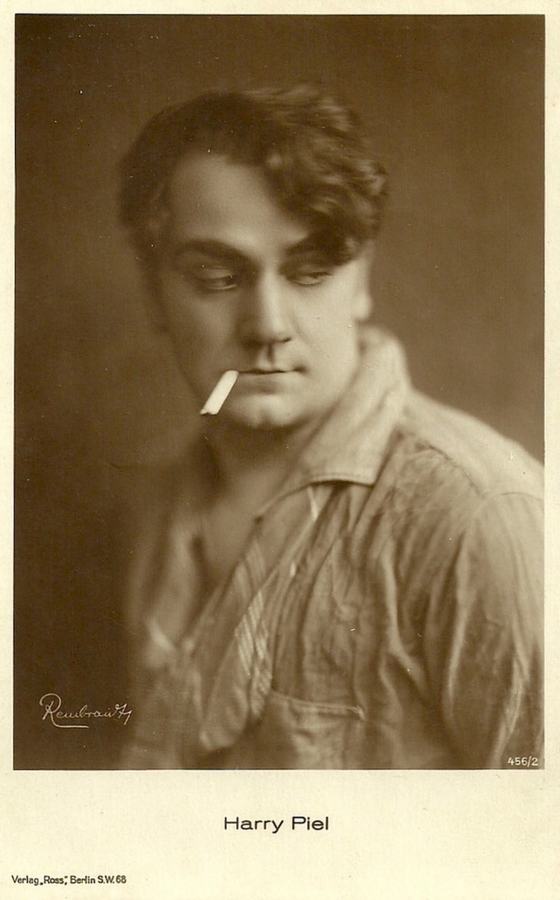
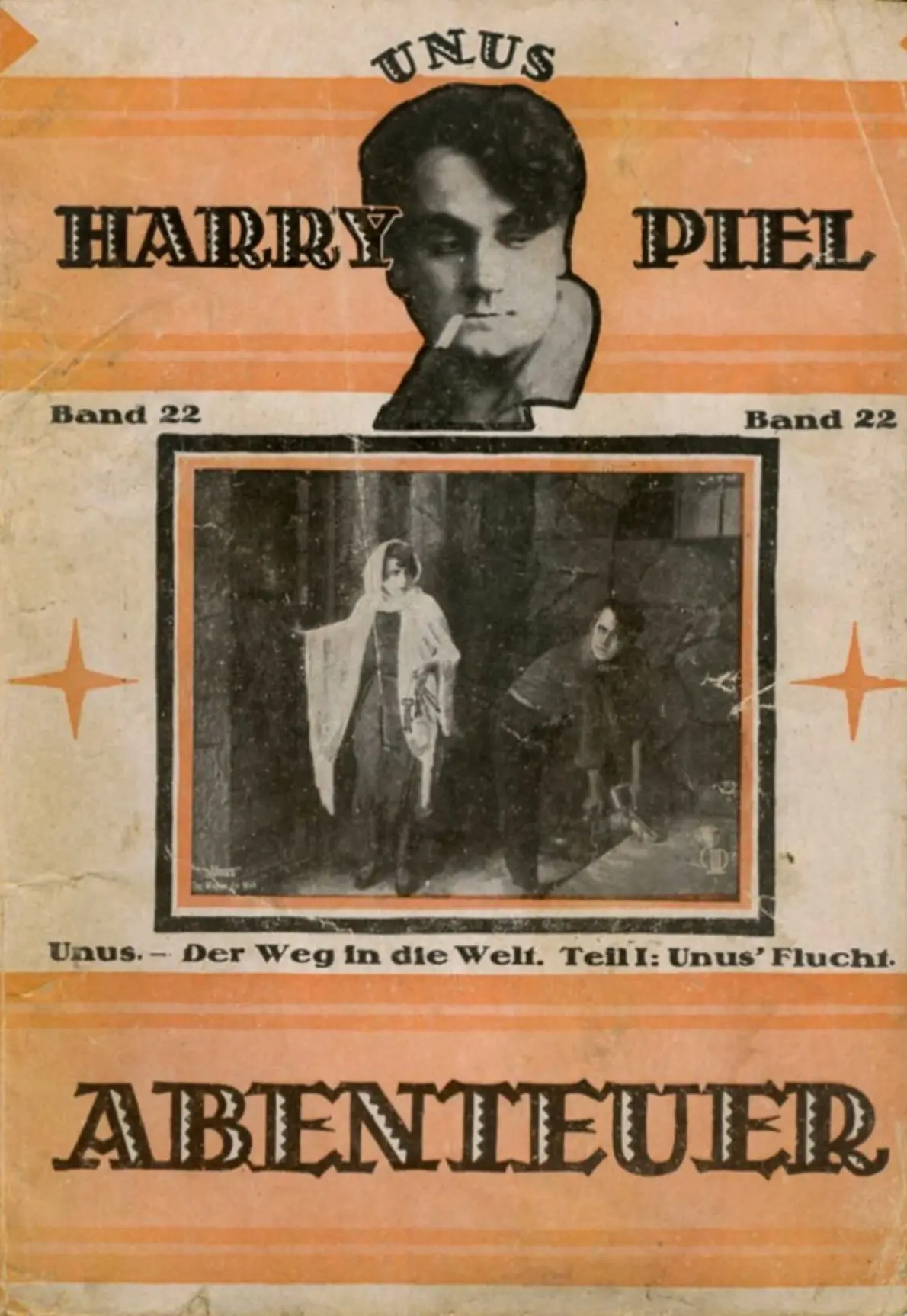
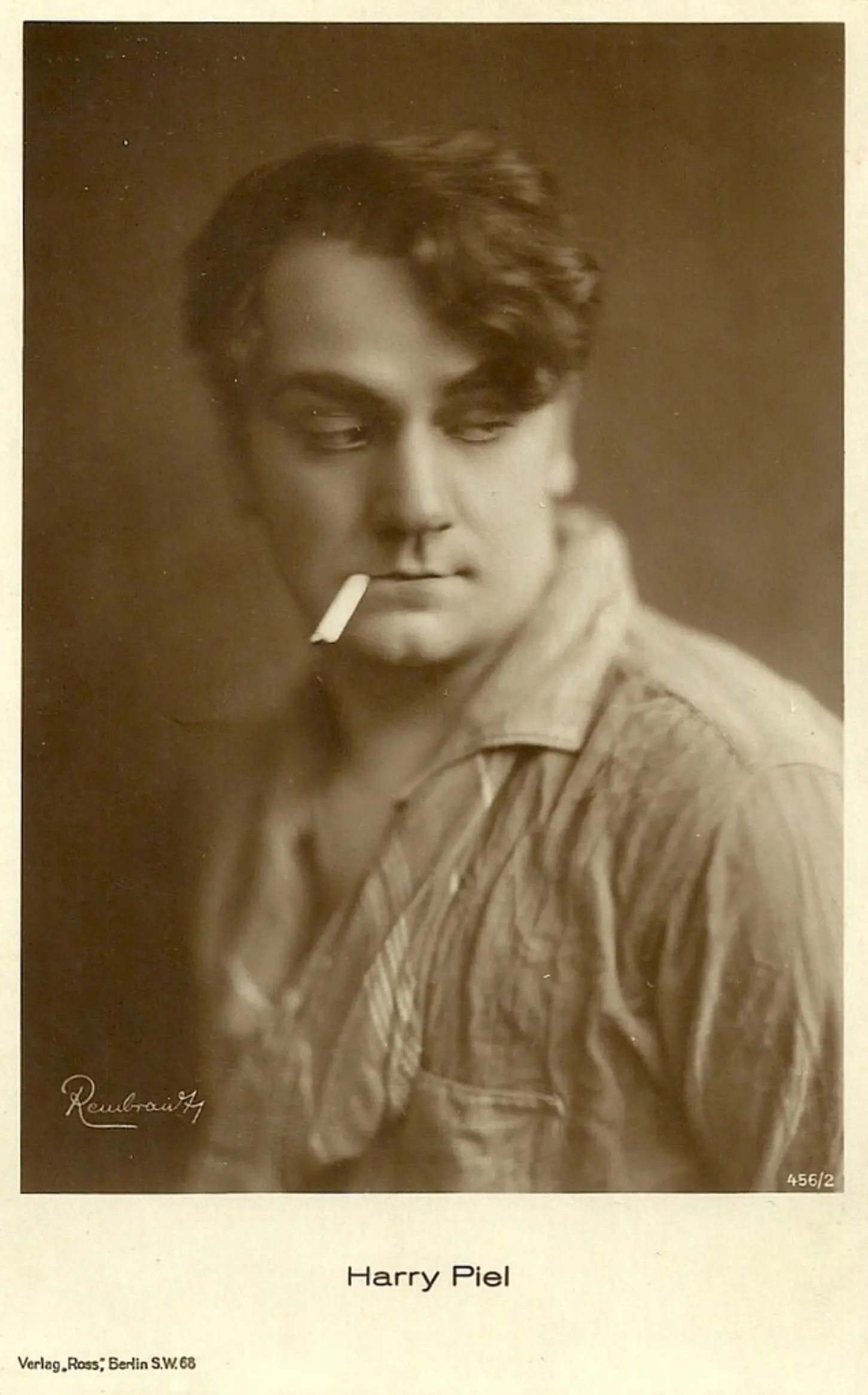
The script’s structural audacity lies in its refusal to offer easy resolutions. Instead, it presents a labyrinth of moral choices and existential questions, each twist as treacherous as the mountain paths. The supporting cast—Harry Piel as the enigmatic guide, Sascha Gura as the conflicted love interest—adds layers of complexity. Piel’s gravelly voice and measured cadence lend gravitas to his role, while Gura’s performance is a study in emotional restraint, her character’s arc a silent testament to the film’s central thesis: survival is a negotiation between the self and the sublime.
Technically, the film is a marvel. The mountain climbing sequences, shot with a blend of practical stunts and early matte painting, are both thrilling and disconcerting in their realism. The score, a haunting blend of accordion and orchestral strings, underscores the tension between isolation and connection. One particularly striking sequence—a storm-lashed ascent that ends in a heart-stopping fall—is executed with such visceral precision that it evokes the same sense of awe and dread as *The Claws of the Hun*’s battlefield chaos, yet here the battleground is the soul itself.
Comparisons to *A Perfect Crime* are inevitable; both films explore the corrosive effects of guilt and the fragility of human connection. Yet *Der Fürst der Berge* diverges in its emphasis on the natural world as both adversary and confidant. The mountain is not merely a setting but a force that shapes and unshapes the characters. This thematic duality is echoed in the film’s color palette—dominated by the cold hues of ice and rock, punctuated by bursts of warm light that symbolize fleeting hope or memory.
The film’s narrative risks, particularly in its ambiguous conclusion, may polarize audiences. There is no tidy resolution, no catharsis in the traditional sense. Instead, the final act lingers on a quiet, almost melancholic acceptance: the protagonist, having conquered the mountain, finds himself unchanged by the triumph. This refusal to offer comfort is its greatest strength, aligning the film with the existentialist ethos of *Beware of Strangers*, where the journey itself, not the destination, is the true measure of a life lived.
For cinephiles, the film’s technical achievements are a revelation. The use of deep focus in scenes of communal gatherings, where the crowd’s faces blur into a sea of indistinct shadows, contrasts sharply with the intimate close-ups of Berger’s character, whose eyes betray a storm of unspoken regrets. The editing, while occasionally abrupt, mirrors the staccato rhythm of a climber’s breath—labored, deliberate, and alive with tension. Such choices place *Der Fürst der Berge* in conversation with *The Safety Curtain*, another film that uses abrupt transitions to mirror emotional dissonance.
The performances are uniformly compelling, though Gura’s character remains the most enigmatic. Her arc—marked by a series of quiet, almost imperceptible changes—requires the audience to read between the lines of dialogue, a skill that rewards those willing to engage deeply. Meanwhile, Harry Piel’s portrayal of the guide is a masterclass in subtlety; his every gesture and glance carries the weight of unspoken history, a technique that echoes the nuanced acting in *My Little Boy*’s tender domestic scenes.
In terms of pacing, the film’s first act is its most languid, allowing the audience to absorb the harsh beauty of the mountain environment. The second act accelerates, driven by a subplot involving a clandestine mining operation that mirrors the darker aspects of human ambition. This subplot, while secondary, adds a layer of moral complexity—echoing the industrial exploitation themes in *Balleteusens hævn*—and serves as a counterpoint to the protagonist’s personal journey.
One cannot ignore the historical context that informs the film’s themes. Released during a period of political and social upheaval, *Der Fürst der Berge* subtly critiques the hubris of human endeavor against the backdrop of nature’s indifference. The mountain, in this reading, becomes a metaphor for the unforgiving forces that shape history, a theme that resonates with the post-war reflections of *Assisi, Italy*.
The film’s technical flaws—occasional graininess in the film stock, a few jarring jump cuts—are minor in the grand scheme of its artistic ambition. These imperfections, rather than detracting from the experience, serve as reminders of the film’s handmade quality, a stark contrast to the polished veneer of modern blockbusters. The result is a work that feels both timeless and achingly of its era.
For those seeking a deeper engagement, the film’s interplay of light and shadow is worth dissecting. Long shadows cast by the sun at dawn and dusk create a chiaroscuro effect that elevates simple scenes into moments of profound emotional resonance. In one particularly poignant sequence, the protagonist’s silhouette against a golden sunrise becomes a metaphor for his internal rebirth, a visual motif that lingers long after the film ends.
In summary, *Der Fürst der Berge* is a film that demands to be experienced rather than dissected. Its alpine setting, coupled with a narrative that resists easy interpretation, creates a space for reflection and introspection. It is a work that challenges the viewer to find meaning in ambiguity, much like the mountain itself—a realm where triumph and defeat are indistinguishable, and the only certainty is the climb.
For further exploration, consider pairing this film with *The Duke of Chimney Butte*, which similarly uses rugged landscapes to explore themes of isolation and redemption. Both films, though separated by genre, share a reverence for the raw power of nature and its role in shaping human destiny.
IMDb 7.6
1925
Community
Log in to comment.