DbcultAccessing Vault...
6.3/10
Senior Film Conservator
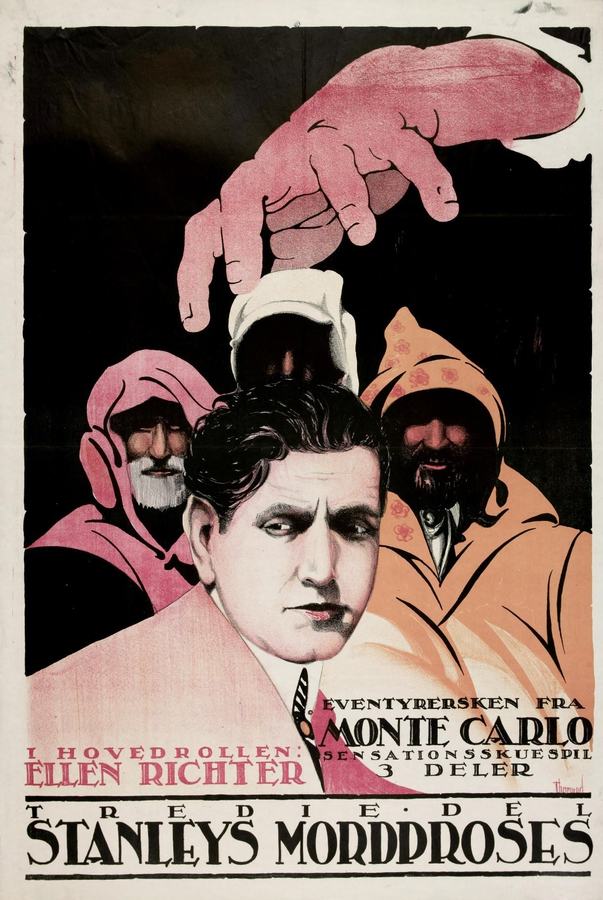
A definitive 6.3/10 rating for a film that redefined the boundaries of cult cinema. Die Abenteuerin von Monte Carlo - 3. Der Mordprozeß Stanley remains a cornerstone of transgressive art.
The year 1921 represented a metamorphic epoch for German cinema, a time when the burgeoning Weimar Republic sought to define its cultural identity through the silver screen. Amidst the expressionist shadows of 'Caligari' and the monumentalism of Lang, the Die Abenteuerin von Monte Carlo series emerged as a quintessential populist phenomenon, centered around the magnetic presence of Ellen Richter. The third chapter, Der Mordprozeß Stanley, stands as a sophisticated departure from the preceding chapters' globetrotting antics, opting instead for the claustrophobic, high-stakes tension of a jurisprudential battleground.
While the previous installments relied heavily on the exoticism of distant locales, this film pivots toward the psychological. It interrogates the very nature of truth in an era where the camera was beginning to learn how to lie. The trial of Stanley is not merely a plot device; it is a crucible for the characters' moral fiber. In many ways, the film’s exploration of legal fallibility mirrors the themes found in The Curious Conduct of Judge Legarde, though with a distinctly European flavor of cynicism. Where American films of the era often sought a redemptive arc for their legal systems, director Willi Wolff presents a court where justice is a commodity, and the loudest voice—or the most captivating face—often dictates the verdict.
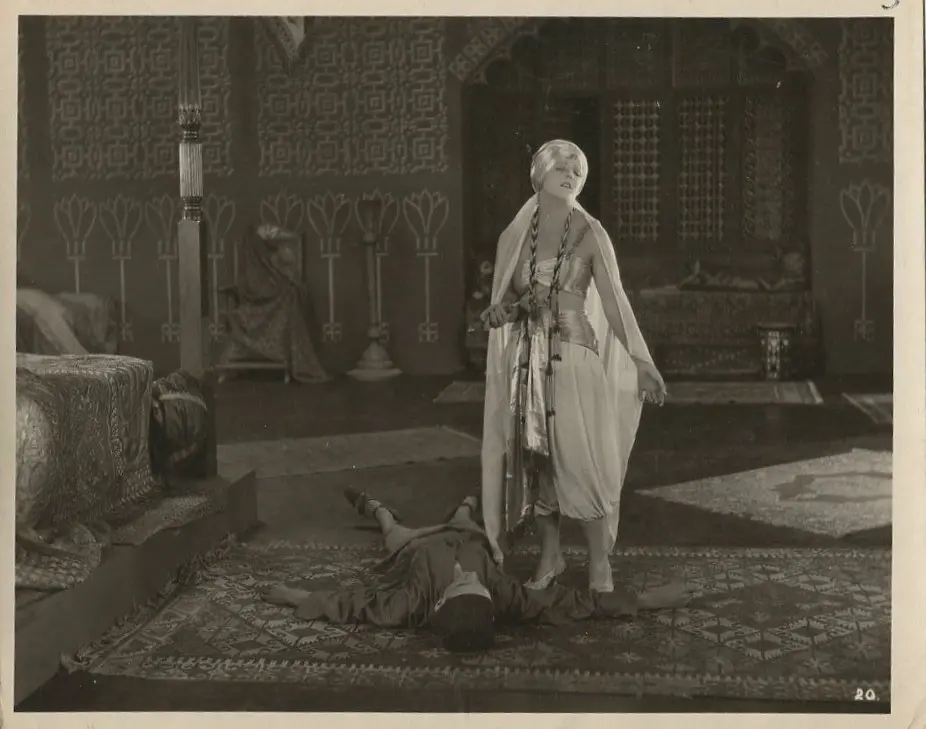
Ellen Richter, an actress whose historical footprint has been somewhat unfairly obscured by the shadows of Dietrich or Garbo, delivers a performance of remarkable restraint and power. As Cassy, she is neither the traditional 'vamp' nor the helpless damsel. She is a modern woman, navigating a world of predatory men with a calculated grace. Her performance here contrasts sharply with the more sentimental portrayals seen in contemporary domestic dramas like The Reward of Patience. Richter’s Cassy is a survivor, her eyes reflecting a weary intelligence that suggests she has seen the worst of humanity and emerged with her soul—if not her reputation—intact.
The supporting cast is a veritable 'who's who' of early German cinema. Karl Günther and Albert Paulig provide a sturdy framework for the drama, their performances grounded in a realism that was slowly replacing the histrionic gestures of the previous decade. The presence of Eduard von Winterstein adds a layer of gravitas to the courtroom proceedings, his authoritative mien serving as the perfect foil to the chaotic emotions swirling around the trial. This ensemble dynamic creates a sense of a lived-in world, one where the stakes feel tangible and the consequences permanent.
Visual Language and Cinematography
Visually, 'Der Mordprozeß Stanley' is a triumph of chiaroscuro. The lighting in the courtroom scenes is particularly noteworthy, utilizing sharp angles and deep shadows to emphasize the isolation of the accused. This aesthetic choice echoes the burgeoning expressionist movement, though it remains tethered to a more narrative-driven realism. The way the camera lingers on the faces of the jurors, capturing their biases and boredom, provides a level of social commentary that was quite radical for 1921. It evokes the same sense of moral ambiguity found in Fallen Angel, where the line between the hunter and the hunted is perpetually blurred.
The screenplay by Artúr Somlay and Willi Wolff is a masterclass in pacing. Despite the inherent static nature of a courtroom drama, the film never feels sluggish. It utilizes flashbacks with a dexterity that was ahead of its time, weaving together the present-day trial with the events leading up to Stanley’s death. This structure keeps the audience in a state of perpetual reassessment, much like the narrative complexity of Irrende Seelen. Each piece of testimony opens a new window into the characters' pasts, revealing a web of interconnected lives that are as fragile as they are opulent.
One cannot discuss this film without acknowledging the socio-economic context of its production. Germany was reeling from the aftermath of the Great War and the Treaty of Versailles. The obsession with the high life of Monte Carlo, the jewels, the gambling, and the scandals, served as a form of escapism for a population facing hyperinflation and political instability. Yet, 'Der Mordprozeß Stanley' isn't purely escapist. By bringing the 'Adventuress' to trial, the film forces its audience to confront the corruption inherent in the very lifestyles they envy. It’s a critique of the idle rich that feels far more biting than the gentle satires of Skinner's Dress Suit.
The Ethics of the Bribe
A central motif in the film is the corruptibility of the witness. The 'half-million bribe' (a recurring trope in the genre, echoing the thematic concerns of The Half Million Bribe) hangs over the proceedings like a guillotine. The film asks: what is the price of a man's word when his world is crumbling? The tension between class loyalty and self-preservation is explored with a nuance that is often missing from contemporary blockbusters. The characters are not archetypes of good or evil; they are desperate individuals making impossible choices in a decaying society.
The technical prowess of the film is also evident in its editing. The transition from the opulent ballroom scenes—rendered with a shimmering clarity that highlights the textures of the silk and lace—to the stark, monochromatic reality of the prison cell is jarring and effective. It visually reinforces the theme of the 'fall from grace' that is so central to the series. This visual storytelling is far more sophisticated than the theatrical staging found in earlier works like The Feud Girl or Shore Acres.
Furthermore, the film’s treatment of gender is surprisingly progressive. While Cassy is being judged by a male-dominated court, the film clearly aligns its sympathies with her. She is shown to be more intelligent and more resilient than the men who seek to control her fate. This subversion of the 'femme fatale' archetype is a hallmark of Ellen Richter’s collaborations with Willi Wolff. They created a character who was an agent of her own destiny, a theme also explored in The Pride of the Clan, though Richter’s Cassy possesses a cosmopolitan sharpness that Mary Pickford’s characters often lacked.
As the trial reaches its crescendo, the film avoids the easy out of a 'deus ex machina' resolution. The ending is earned through the narrative's internal logic, leaving the audience with a sense of catharsis that is tempered by the realization that the world of Monte Carlo remains as treacherous as ever. The cyclical nature of the 'Adventuress' series—where one escape leads only to another entanglement—is perfectly encapsulated in the final frames of this chapter.
Historical Significance
Today, 'Der Mordprozeß Stanley' serves as a vital document of a lost era of filmmaking. It represents the pinnacle of the 'Autorenfilm' movement's influence on popular serials, where high production values and intellectual depth were not sacrificed for entertainment. It stands alongside other 1921 masterpieces as a testament to the creative explosion of the Weimar Republic. For those interested in the evolution of the legal thriller, or for fans of silent cinema who want to see a powerhouse performance by a forgotten star, this film is essential viewing. It possesses a gravitas that makes modern legal dramas seem flimsy by comparison, reminding us that the struggle for truth is a timeless cinematic subject.
In the grand tapestry of silent cinema, Ellen Richter remains a vibrant thread, and 'Der Mordprozeß Stanley' is perhaps the most intricate pattern she ever helped weave. It is a film of shadows and light, of lies and revelations, and ultimately, of the enduring power of the human spirit to navigate the most treacherous of trials.
Community
Log in to comment.