DbcultAccessing Vault...
6.3/10
Senior Film Conservator
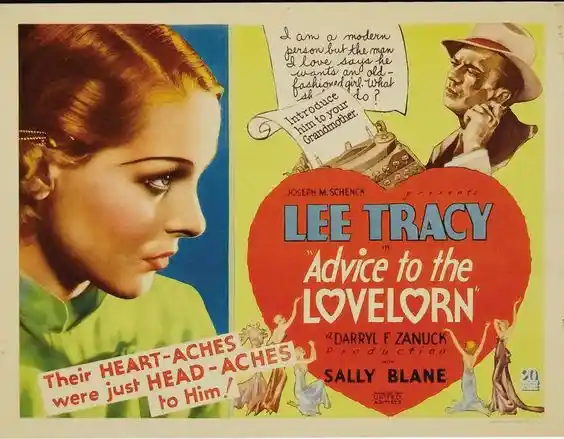
A definitive 6.3/10 rating for a film that redefined the boundaries of cult cinema. Advice to the Forlorn remains a cornerstone of transgressive art.
If you like old-school newspaper movies where everyone talks faster than they can think, you’ll probably enjoy Advice to the Forlorn. If you need big spectacle or modern pacing, stay away. It’s a small, prickly movie that feels like it was filmed in a smoke-filled room on a Tuesday afternoon.
Toby Prentiss is exactly the kind of guy I’d avoid at a bar. He’s sloppy, he’s bitter, and he missed the biggest story in the city because he was likely nursing a hangover or chasing a dame. So, he gets slapped onto the advice column. It’s a punishment that backfires in the best way possible.
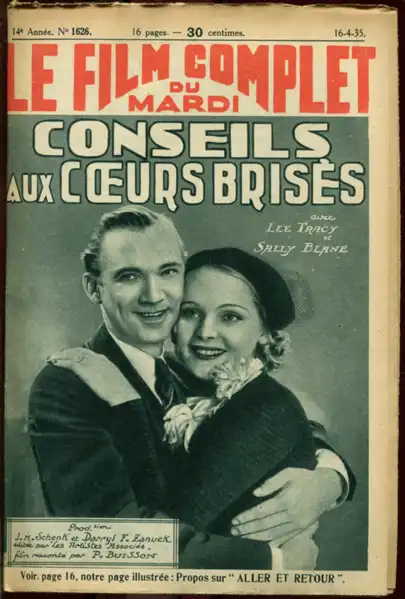
The whole thing hinges on Lee Tracy’s energy. He moves like a jittery bird, darting around the office and snapping at his editor. There’s a specific scene where he’s reading these desperate letters from the public—the kind of lonely, sad stuff people write when they have nobody else—and he just starts laughing. Not a mean laugh, exactly, but a laugh from someone who’s completely checked out of his own life.
The advice he starts giving is pure chaos. Instead of telling some poor girl to stick it out with her husband, he tells her to run for the hills. He’s trying to be a jerk, but the readers think he’s a genius. It’s cynical, but you can’t help but root for him to just keep leaning into the madness.
There’s a bit of that same frantic, "why are we even doing this" energy that you find in The Blue Streak, though this is way more grounded in the grime of a newsroom. It doesn't have the grand scale of something like The King of Kings, and honestly, that’s a relief. It’s just people yelling at each other in tight spaces.
I noticed the background extras in the newsroom scenes look like they’re actually bored out of their minds. Sometimes they’re just staring at the wall or shuffling papers without really doing anything. It adds a weird, gritty realism to the whole affair. It doesn't feel like a movie set; it feels like a place where dreams go to die for a paycheck.
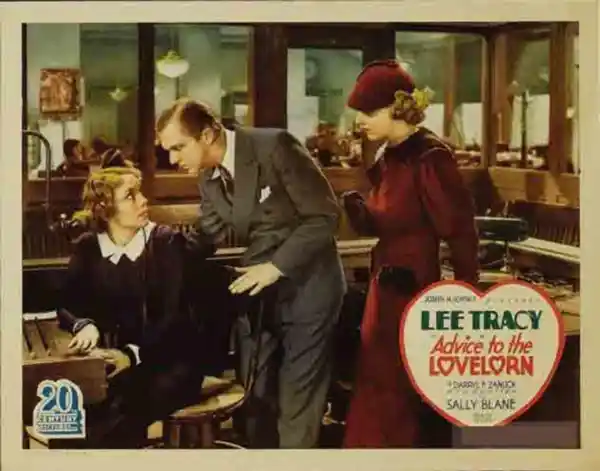
The dialogue is snappy, but it doesn't always land. Sometimes a line comes out that feels like it should be clever but just ends up being loud. That’s fine. It’s not trying to be a masterpiece.
My favorite moment is when he starts getting fan mail. The sheer confusion on his face is priceless. He’s essentially being rewarded for his worst impulses. It’s a weird, small-scale version of the kind of stuff you see in Cinema Girl, where the industry and the public don't really know what they want until they see it.
It’s not perfect. The ending lands a little soft, almost like they ran out of film and just decided to wrap it up while the coffee was still hot. But for an hour or so? It’s a good time. It’s a movie that doesn't care if you like it, which usually makes me like it more.

IMDb —
1936
Community
Log in to comment.