DbcultAccessing Vault...
5.8/10
Senior Film Conservator
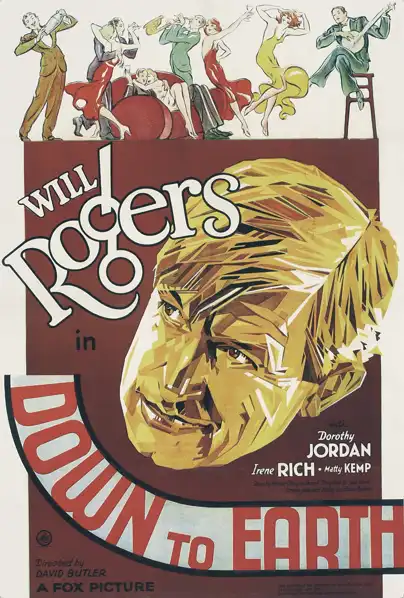
A definitive 5.8/10 rating for a film that redefined the boundaries of cult cinema. Down to Earth remains a cornerstone of transgressive art.
If you want to see how people in 1932 laughed through the absolute worst economic crash in history, Down to Earth is worth a watch tonight. Folks who love Will Rogers and his slow, mumbling cowboy wisdom will eat this up. But if you can't stand old movies where people stand in a room and just talk for eighty minutes, you will probably turn this off after ten. 🍿
The setup is pretty simple. Pike Peters, played by Rogers, made a bunch of money but his family is spending it faster than he can count it.
His wife, played by Irene Rich, wants to live in a giant mansion and climb the social ladder. She even hires a butler who looks like he has a permanent bad smell under his nose.
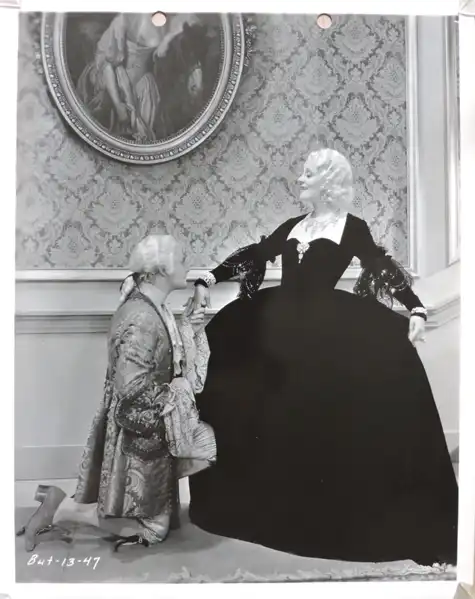
Then the Great Depression hits. Well, technically, in the movie they just call it "the crash," and suddenly all those fancy papers they own aren't worth a dime.
What makes this movie work isn't the plot. It is definitely Will Rogers just being Will Rogers.
He has this habit of never looking directly at the person he is talking to. Instead, he looks at the floor, fumbles with his pocket watch, and delivers these sharp little jokes that feel totally unscripted.
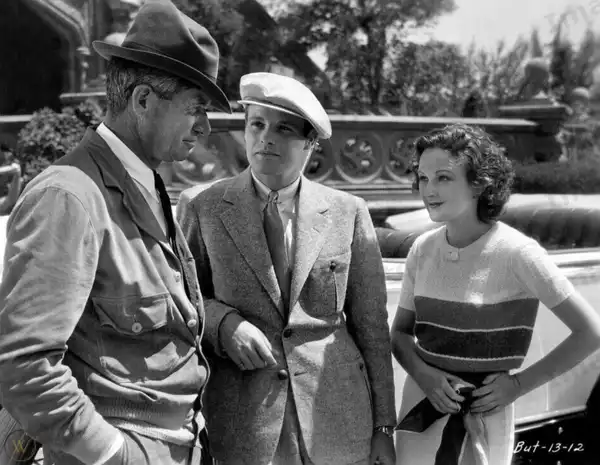
There is a scene early on where his wife is showing off their massive new house. Pike just stands there, looking at a weirdly modern chair like it is an alien spaceship.
"That's not a chair," he says. "That's a trap."
I laughed out loud at that. It felt so real, like my own grandpa reacting to modern furniture.
The rest of the family is honestly pretty hard to watch. The kids are loud and selfish, and you kind of want them to lose all their money just so they learn a lesson.
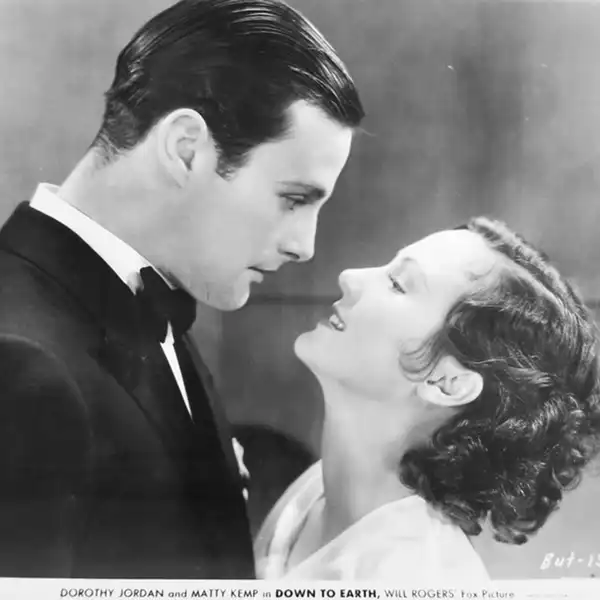
Especially the son, who behaves like a spoiled toddler with a trust fund. When the market crashes, you almost feel a little bit of schadenfreude.
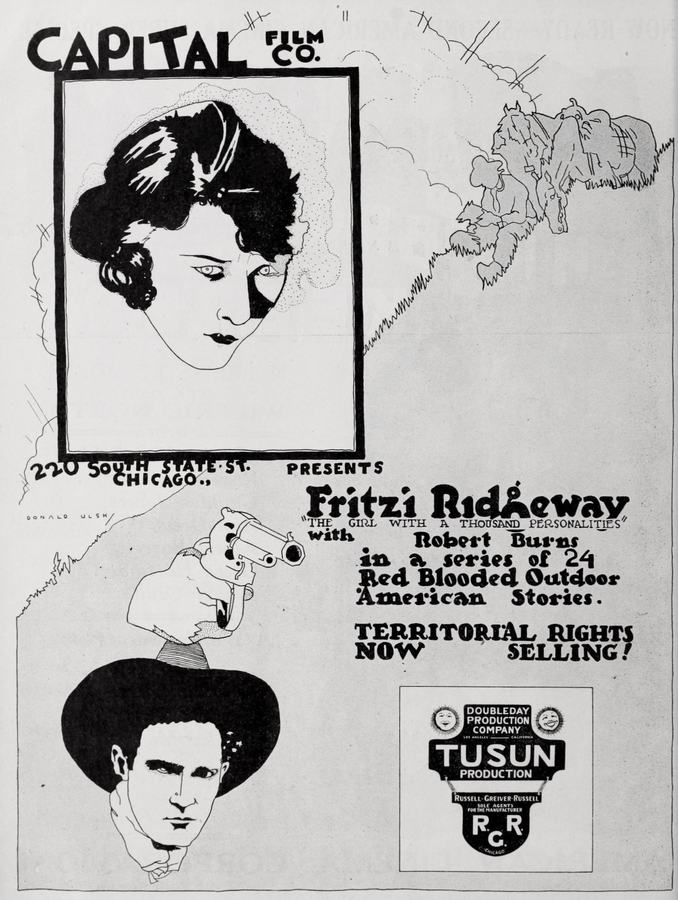
It is a bit different from his silent days, like in The Ramblin' Kid, where there was more physical action. Here, it is all about the dialogue.
Some of the scenes go on for way too long. Like, there is a dinner party scene where everyone just gossips, and the camera just sits there, completely frozen.
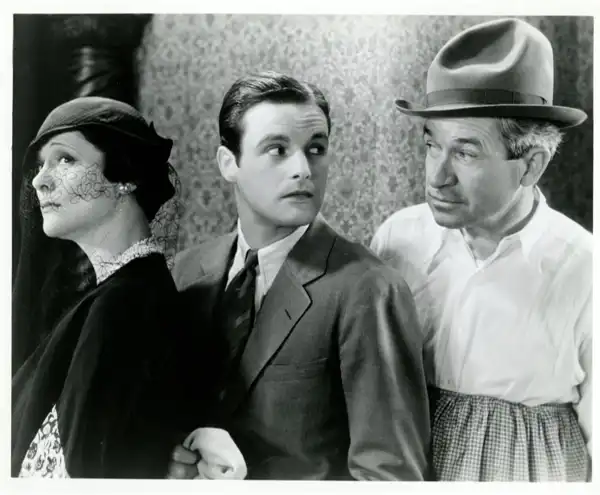
You can tell the director just told everyone to stand still so the big, clunky 1930s microphones could pick up their voices. It makes the movie feel like a filmed stage play.
But then Rogers comes back on screen and saves it. He has this speech near the end about what really matters in life, and even though it is super cheesy, you believe him.
He just has that kind of face. You trust him.
It is not a masterpiece. But as a time capsule of how Hollywood tried to make people feel better during the worst financial crisis ever, its pretty fascinating.
Give it a spin if you are in the mood for something gentle and a little dusty. Just don't expect any fast pacing.
IMDb —
1920
Community
Log in to comment.