DbcultAccessing Vault...
Cult Review
Senior Film Conservator
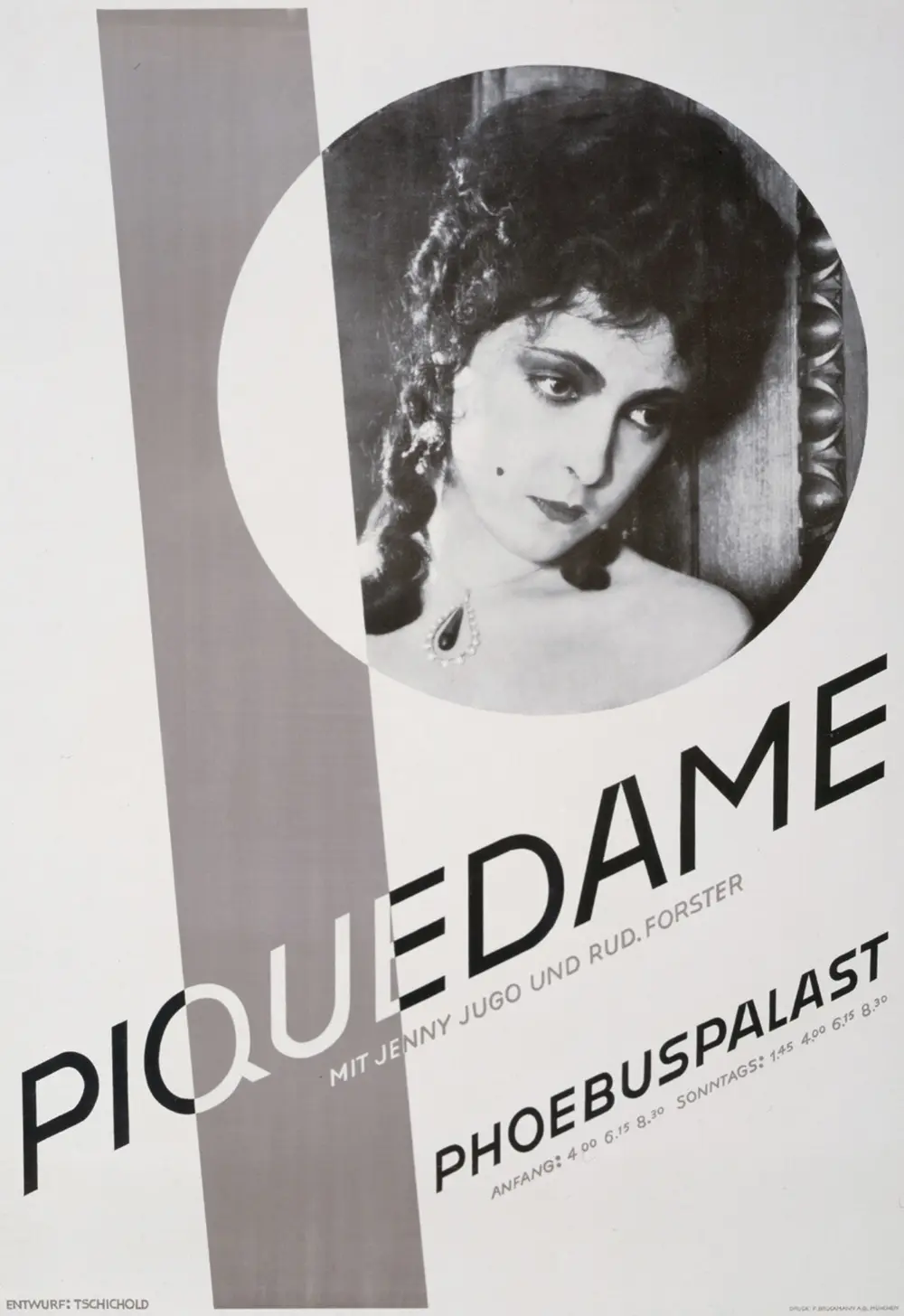
Is Pique Dame (1927), the German Expressionist take on Pushkin’s chilling tale, worth your time in the modern era? Short answer: absolutely, but with a significant caveat. This silent film is a mesmerizing plunge into psychological horror, a masterclass in mood and visual storytelling that still resonates. However, it demands patience and an appreciation for the specific conventions of its time, making it decidedly not for casual viewers expecting modern pacing or dialogue.
This film works because it brilliantly translates Pushkin's narrative of obsessive greed and madness into a visual language that is both stark and profoundly unsettling. It fails because its deliberate, often theatrical pacing, coupled with silent film acting conventions, can feel alienating to those unaccustomed to the era. You should watch it if you are a devotee of early cinema, German Expressionism, or psychological horror, and are prepared for a journey into a truly unique artistic vision. Conversely, if you prefer fast-paced narratives, explicit exposition, or have a low tolerance for silent film aesthetics, you might find it a challenging watch.
Arthur Bárdos and Charlie Roellinghoff's adaptation of Aleksandr Pushkin’s “The Queen of Spades” is less a literal translation and more a spiritual interpretation, filtering the Russian author’s fatalistic narrative through the distinctly German lens of Expressionism. The film isn't merely about a card game; it's about the corrosive power of avarice and the fragile boundary between ambition and delusion. From its opening frames, the film establishes a world steeped in shadow and psychological tension, setting the stage for a man's unraveling.
The plot, deceptively simple, follows a young officer, Hermann (Rudolf Forster), who becomes fixated on the legend of an elderly Countess (Alexandra Schmitt), rumored to possess the secret to winning any card game. This isn't just a quest for wealth; it's a descent into an almost supernatural compulsion, where the Countess becomes less a person and more a symbol of a hidden, forbidden power. The film masterfully builds this obsession, showing how a single idea can take root and metastasize, consuming its host entirely.
The beauty of Pique Dame lies in its ability to externalize internal turmoil. The distorted sets and stark lighting aren't just stylistic choices; they are direct reflections of Hermann's fractured psyche, pulling the audience into his spiraling madness.
The adaptation takes liberties, of course, but it captures the essence of Pushkin's chilling fatalism, amplifying it with the visual vocabulary of its cinematic movement. It’s a bold reinterpretation, asserting the power of visual metaphor over strict narrative fidelity.
Directed with a keen eye for atmosphere, the film is a testament to the power of silent cinema to convey complex emotions and psychological states without a single spoken word. The director leverages every tool at their disposal: extreme close-ups on Rudolf Forster’s increasingly haunted eyes, the exaggerated shadows stretching across the Countess's cavernous mansion, and the almost dreamlike transitions between scenes. There's a particular sequence where Hermann first encounters the Countess in her decaying, opulent chambers, where the camera lingers on her ancient, piercing gaze, conveying centuries of guarded secrets and a palpable sense of dread.
The use of chiaroscuro lighting is not merely artistic; it's narrative. Light and shadow become characters themselves, hiding truths, revealing anxieties, and creating a sense of claustrophobia that mirrors Hermann's internal entrapment. Consider the scene where Hermann lurks in the Countess's home, the shadows elongating his figure, turning him into a monstrous silhouette, a visual premonition of his impending moral decay. This isn't just good lighting; it's psychological warfare on the audience, a technique far more sophisticated than many contemporary films.
The pacing, while slow by today's standards, is deliberate and effective, allowing the tension to simmer and build. Each protracted moment, each lingering shot, contributes to the suffocating atmosphere. This is a film that demands you lean in, absorb its visual cues, and surrender to its rhythm. It's a masterclass in how to build suspense through sheer visual artistry.
In silent cinema, acting is an art of exaggeration, yet in Pique Dame, the performances, while demonstrative, manage to convey profound internal struggles. Rudolf Forster as Hermann is nothing short of captivating. His initial arrogance slowly gives way to a gnawing obsession, etched across his face with increasing intensity. His performance is a study in controlled madness, from the subtle shifts in his posture to the wildness that gradually overtakes his eyes. You see the transformation, not just in his actions, but in the very architecture of his face.
Alexandra Schmitt as the ancient Countess is an absolute revelation. She embodies the film's central mystery with a terrifying stillness. Her eyes, often magnified by close-ups, hold an ancient, knowing power that is genuinely unsettling. She doesn't need to move much; her mere presence, her unblinking stare, is enough to convey a lifetime of secrets and a hint of the supernatural. Her interaction with Forster, particularly in the pivotal confrontation, is a silent ballet of wills, a clash between desperate ambition and ancient, weary power.
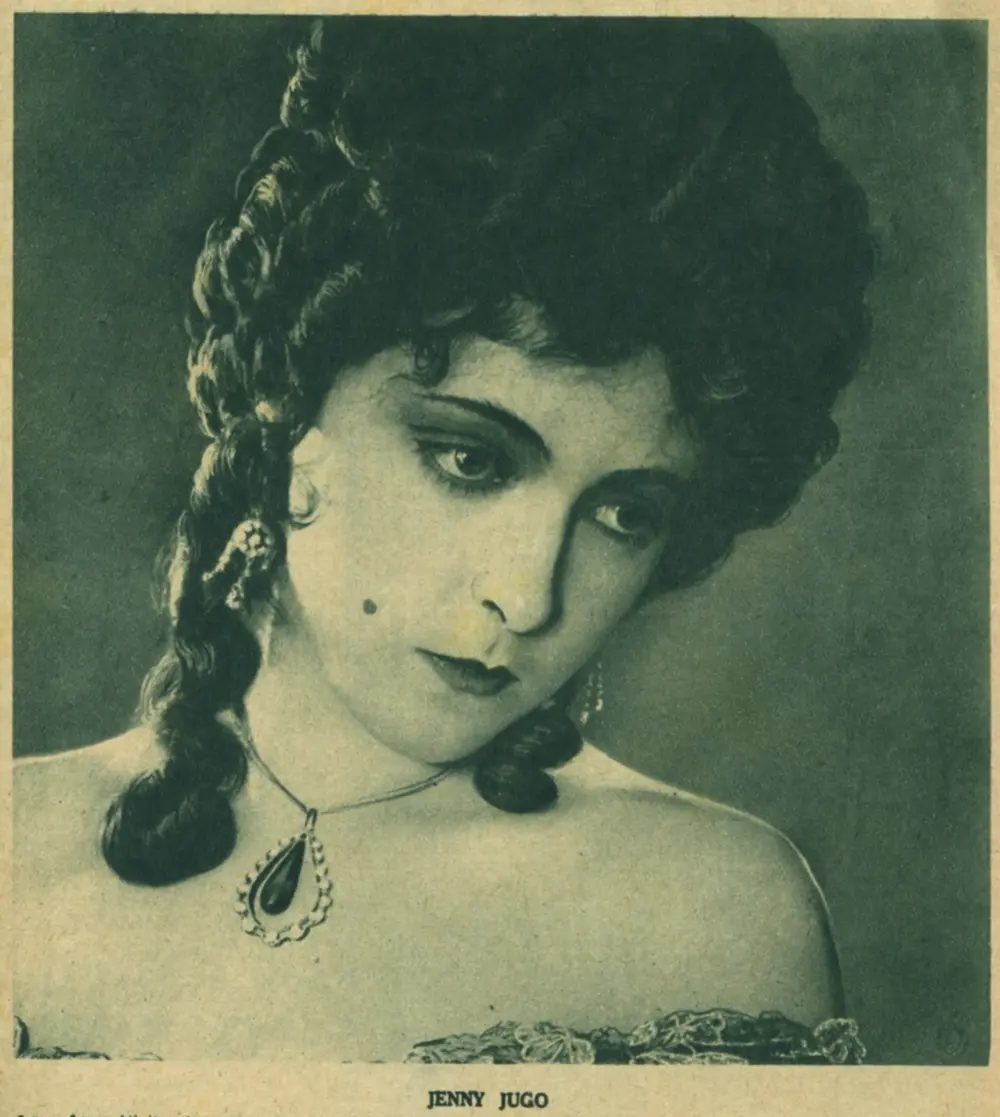
Jenny Jugo, as the innocent Lizaveta, offers a stark contrast to the oppressive atmosphere. Her character represents a flicker of hope or perhaps a victim caught in the crossfire of Hermann’s madness. Her performance is delicate, portraying a vulnerability that highlights the encroaching darkness around her. The dynamic between these three actors, silent yet expressive, forms the emotional core of the film, proving that dialogue is often secondary to genuine human expression.
The visual aesthetic of Pique Dame is its strongest suit. The cinematography is breathtaking, employing deep focus and stark contrasts that are hallmarks of German Expressionism. Every frame feels meticulously composed, almost like a painting. The camera is not just recording; it's interpreting, distorting, and emphasizing. Shots of the Countess's mansion, with its impossibly tall doors and elongated corridors, are not realistic; they are psychological landscapes, reflecting Hermann's distorted perception and the labyrinthine nature of his quest.
The production design is equally vital, creating a world that is both grand and decaying. The interiors of the Countess’s home are particularly memorable: ornate, yet dusty and oppressive, they convey a sense of time standing still, a place where secrets have festered for decades. The card game sequences, though brief, are staged with a dramatic intensity, using tight framing and rapid cuts to convey the high stakes and Hermann’s escalating delirium. It is here that the film truly shines, transforming a simple game into a battle for sanity.
This commitment to visual storytelling elevates the film beyond a mere adaptation. It becomes an experience, a journey into a stylized nightmare. The visual choices are never arbitrary; they always serve the narrative and thematic undercurrents, creating a cohesive, unsettling whole. It's a masterclass in how to use every element of film production to convey meaning.
The pacing of Pique Dame is a slow burn, a gradual tightening of the screw that builds to an inevitable, tragic crescendo. This deliberate speed allows the audience to fully immerse themselves in the psychological unraveling of Hermann. It’s a tone of creeping dread, of a world where fate is a tangible force, pulling characters towards their doom. The film doesn't rely on jump scares; instead, it cultivates an atmosphere of pervasive unease, a sense that something profoundly disturbing is always just around the corner.
The tone is consistently bleak, infused with a fatalistic despair that is characteristic of Pushkin’s original work and often found in Expressionist cinema. There are no moments of levity, no respite from the encroaching darkness. This relentless commitment to its tone is what makes the film so powerful, yet also potentially off-putting for some modern viewers. It's an unyielding journey into the abyss.
Its lasting impact is significant, not just as a faithful-in-spirit adaptation, but as a crucial example of German Expressionism's influence on the horror genre. Elements of its visual style and psychological depth can be traced through later films, from the atmospheric dread of The Bar Sinister to the more overt horrors of the Universal Monster movies. It’s a foundational text for understanding how film can externalize internal states of mind, setting a precedent for cinematic explorations of madness.
For silent film enthusiasts and scholars of German Expressionism, Pique Dame (1927) is an essential viewing experience. Its visual artistry, compelling performances, and masterful creation of atmosphere make it a standout from its era. It offers a unique glimpse into the cinematic techniques used to convey complex psychological narratives before the advent of sound.
However, for a general audience accustomed to contemporary film, its deliberate pacing and the conventions of silent acting might prove challenging. It requires a willingness to engage with a different kind of storytelling, one that relies heavily on visual metaphor and emotional expression rather than dialogue-driven exposition. It’s a film that asks for patience, but rewards it generously with a rich, unsettling experience.
If you are willing to embrace its unique language, Pique Dame offers a profound and chilling exploration of human obsession. It works. But it’s flawed. It’s not for everyone, but for its target audience, it is indispensable.
Pique Dame (1927) is more than just a historical curiosity; it's a potent, unsettling piece of cinematic art that deserves to be seen. While its deliberate pacing and silent film aesthetics might require a shift in perspective for modern audiences, the rewards are immense. It's a visually stunning, psychologically rich descent into madness, driven by powerful performances and an unwavering commitment to its Expressionist vision. For those willing to engage with its unique language, it offers a chilling and unforgettable experience, a testament to the enduring power of silent cinema to explore the darkest corners of the human psyche. It stands as a vital touchstone in the lineage of psychological horror, proving that true terror often lies in the shadows of the mind, not just on the screen.
IMDb 6.5
1919
Community
Log in to comment.