DbcultAccessing Vault...
5.8/10
Senior Film Conservator
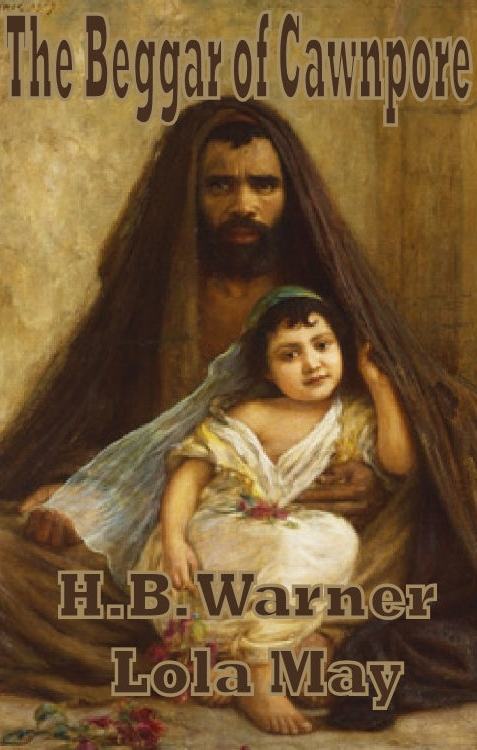
A definitive 5.8/10 rating for a film that redefined the boundaries of cult cinema. The Beggar of Cawnpore remains a cornerstone of transgressive art.
The cinematic landscape of early 20th-century cinema, particularly the silent era, often served as a fascinating mirror reflecting societal anxieties and imperial ambitions. Among these, 'The Beggar of Cawnpore' emerges as a particularly poignant, albeit often overlooked, artifact. This film, penned by the prolific C. Gardner Sullivan, thrusts its audience into the heart of British India during the tumultuous 1850s, weaving a tapestry of personal tragedy against the grand, violent canvas of colonial unrest. It is a narrative that dares to confront the fragility of human resolve when faced with overwhelming odds, both internal and external, creating a psychological drama that transcends its historical setting.
At its core, 'The Beggar of Cawnpore' is the agonizing chronicle of Dr. Robert Lowndes, portrayed with a compelling, if at times overwrought, intensity by Wyndham Standing. Lowndes is initially presented as an archetypal hero of the British Empire – dedicated, self-sacrificing, and burdened by the immense responsibility of combating a virulent cholera epidemic. The film masterfully conveys the sheer desperation of his situation, the relentless onslaught of disease in an era devoid of modern medicine, where every diagnosis felt like a death sentence. Standing’s performance, relying heavily on exaggerated gestures and facial expressions typical of the silent screen, nonetheless communicates the doctor’s initial unwavering resolve, his furrowed brow and weary posture speaking volumes of the silent battles he wages against an invisible enemy. The audience witnesses his gradual attrition, a slow erosion of his spirit under the unyielding pressure of suffering and death. This portrayal of a man pushed beyond human endurance is remarkably prescient, anticipating later cinematic explorations of trauma and moral fatigue.
However, it is Lowndes's subsequent fall from grace that forms the narrative's tragic spine. Succumbing to a debilitating fever himself, he is introduced to morphine, not as an indulgence, but as a perceived necessity to continue his vital work. This moment marks a crucial turning point, a Faustian bargain struck with the promise of relief that ultimately delivers ruin. The film, through its visual storytelling, attempts to depict the insidious creep of addiction, transforming a dedicated healer into a desperate soul. The subtle shifts in Standing's demeanor, from a man of purpose to one haunted by an unseen tormentor, are crucial here. The film’s exploration of addiction, though perhaps lacking the clinical nuance of modern cinema, bravely tackles a subject that was still largely stigmatized, presenting it not merely as a moral failing but as a tragic consequence of extreme circumstances. In this regard, it shares a thematic resonance with films like 'The Cup of Life', which also delved into the destructive power of vice and its grip on the human spirit, albeit from different angles.
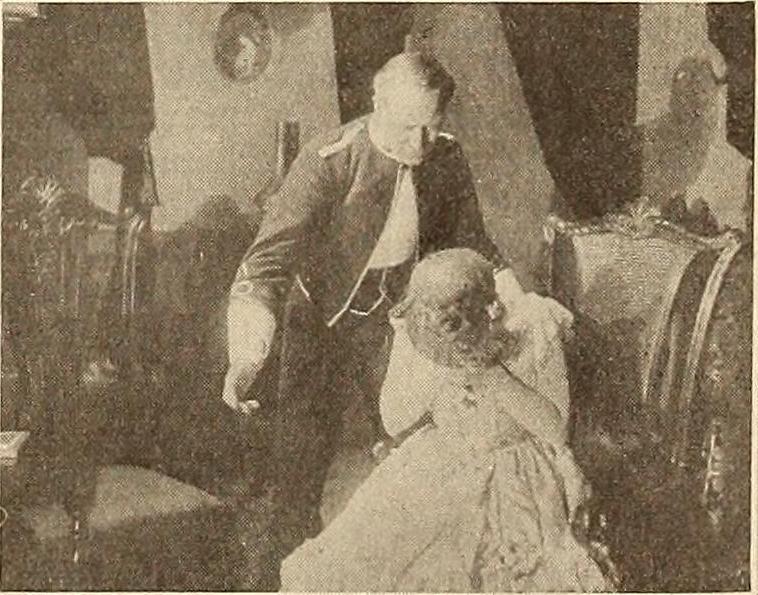
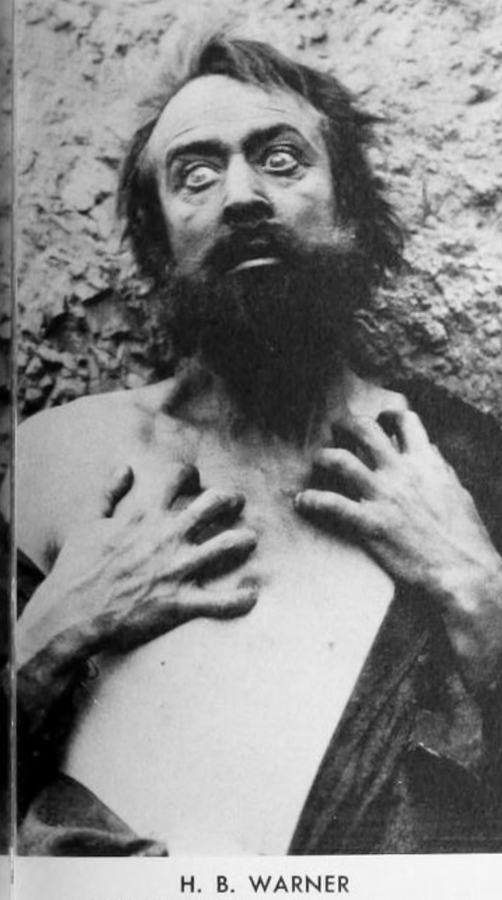
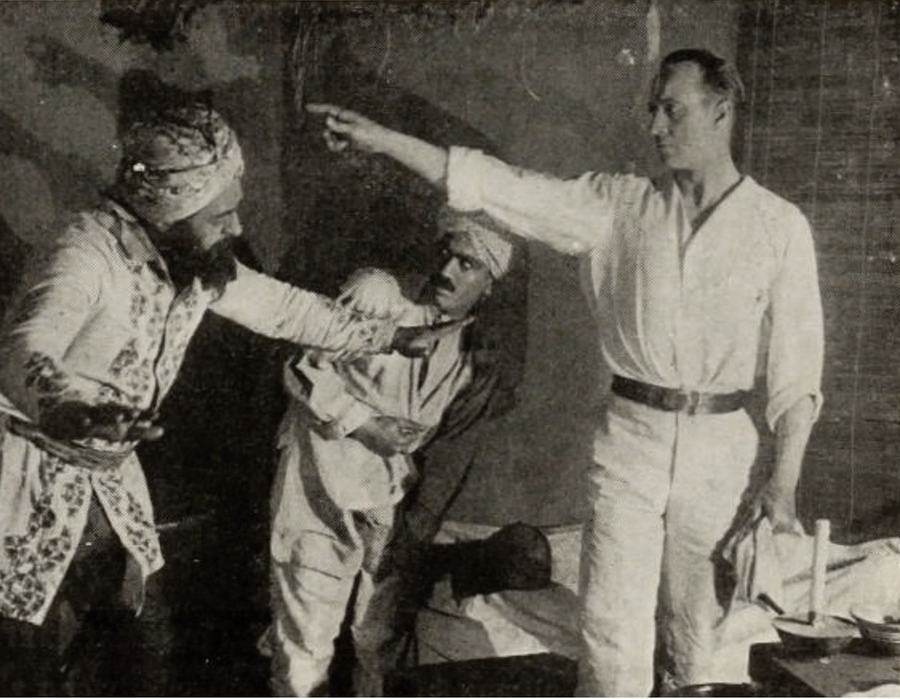
Lowndes’s personal struggle is further complicated by the machinations of Captain Guy Douglas, embodied by H.B. Warner with a chilling blend of aristocratic disdain and calculating malice. Douglas is not merely a rival for Betty Archer’s affections; he is an embodiment of insidious villainy, a character who actively preys on Lowndes’s vulnerability. Warner’s portrayal, marked by a sinister smirk and an almost imperceptible glint in his eye, ensures that Douglas is perceived as a truly detestable figure. He represents the darker undercurrents of human nature, a stark contrast to Lowndes’s initial idealism. The film’s depiction of Douglas deliberately feeding Lowndes his addiction, effectively sabotaging his rival under the guise of concern, is particularly disturbing. This manipulation elevates the narrative beyond a simple tale of addiction to one of moral corruption and the perversion of human relationships. It's a stark reminder that sometimes the most dangerous enemies are not the overt ones, but those who operate within the trusted circle, much like the subtle betrayals explored in films such as 'The Undesirable', where hidden agendas often dictated the fate of protagonists.
Lola May, as Betty Archer, offers a counterpoint to the male-dominated drama, providing a much-needed emotional anchor. Her character is not merely a damsel in distress but a woman of strength and unwavering loyalty. May’s performance, though constrained by the expressive conventions of the era, conveys Betty’s anguish and her resolute support for Lowndes, even as he spirals into the depths of addiction. Her steadfastness serves as a moral compass in a narrative increasingly shrouded in despair. She represents the possibility of redemption, the unwavering flame of human connection that persists even when all else seems lost. The love triangle, a common trope in early cinema, is here imbued with a darker, more desperate edge, as Betty fights not just for Lowndes’s love, but for his very soul against Douglas’s corrosive influence.
What truly elevates 'The Beggar of Cawnpore' beyond a mere personal drama is its integration of the Sepoy Rebellion, a pivotal and brutal chapter in British colonial history. The outbreak of this nationwide mutiny, specifically its eruption in Cawnpore, transforms the narrative into a terrifying struggle for survival. The film deftly uses this historical event not just as a backdrop, but as an accelerant for the personal conflicts. The impending chaos and violence magnify Lowndes’s internal battle, making his addiction even more perilous, jeopardizing not only his own life but also the safety of those around him. The film, in its depiction of the rebellion, attempts to capture the palpable tension and fear that would have gripped the British residents of Cawnpore. While the visual spectacle of the rebellion might be limited by the technical capabilities of the time, the narrative effectively conveys the sudden, shocking disruption of the colonial order.
The choice of Cawnpore as the setting is particularly significant. The historical events of the Cawnpore Massacre, though not explicitly detailed in the plot summary, would have been fresh in the minds of contemporary audiences familiar with British imperial history. This historical context imbues the film with an additional layer of grim realism and urgency. It underscores the precariousness of colonial power and the profound cultural chasms that ultimately led to such widespread violence. The British characters, insulated by their perceived superiority, are suddenly confronted with the raw, unbridled fury of a subjugated populace. This external threat forces a re-evaluation of their own vulnerabilities, even as Lowndes grapples with his internal demons. The film, therefore, serves as a fascinating, if sometimes propagandistic, window into how such historical trauma was processed and presented to a domestic audience. It resonates with the themes of societal upheaval and individual struggle against overwhelming forces found in films like 'The Patriot', which also explored intense national conflicts and their human cost.
C. Gardner Sullivan, a prolific writer of the silent era, demonstrates a keen understanding of dramatic tension and character development in 'The Beggar of Cawnpore'. His script, even without dialogue, constructs a multi-layered narrative that is both emotionally resonant and historically grounded. Sullivan’s strength lies in his ability to intertwine personal melodrama with grand historical events, ensuring that neither overshadows the other, but rather amplifies the impact of both. The screenplay builds its tension meticulously, starting with the slow burn of the epidemic, escalating through Lowndes’s addiction, and culminating in the explosive violence of the rebellion. This structural integrity is a testament to Sullivan’s craft, allowing the various narrative threads to converge into a powerful, albeit bleak, climax.
The direction, while typical of its period with its reliance on tableau staging and intertitles, effectively utilizes the visual language available to convey the film’s weighty themes. The cinematography, though black and white, likely employed stark contrasts to emphasize the grim realities of the setting – the oppressive heat, the squalor of the epidemic, and the brutal chaos of the rebellion. The use of close-ups, where available, would have been crucial in conveying the inner turmoil of Lowndes and the malevolence of Douglas. While technical details like editing and camera movement might seem rudimentary by today's standards, for its time, the film likely represented a significant effort to create a compelling and immersive experience. One can imagine the impact of scenes depicting the spread of cholera, the furtive administration of morphine, and the sudden outbreak of mutiny, all designed to elicit strong emotional responses from the audience.
'The Beggar of Cawnpore' is more than just a historical drama; it is a profound meditation on human frailty, the corrosive nature of addiction, and the brutal consequences of imperial hubris. Lowndes’s journey from dedicated professional to drug-addled outcast is a stark reminder of how easily circumstances can unravel even the strongest individuals. His character arc mirrors the precariousness of the British colonial enterprise itself – seemingly invincible, yet ultimately vulnerable to internal decay and external revolt. The film, in its unflinching portrayal of addiction, also serves as a valuable historical document, offering insight into contemporary perceptions of drug dependency. It avoids simplistic moralizing, instead presenting Lowndes’s predicament with a degree of tragic understanding.
The intertwining of personal struggle with geopolitical upheaval is a thematic strength that allows the film to resonate beyond its immediate plot. The Sepoy Rebellion, a moment of profound crisis for the British Raj, provides a powerful metaphor for the internal collapse Lowndes experiences. Just as the empire faces an existential threat from within its own ranks, Lowndes battles a self-destructive force that originates from his desperate attempts to fulfill his duty. This duality creates a powerful sense of impending doom that permeates the entire narrative. The narrative also touches upon the moral ambiguities of colonial rule, even if indirectly. The desperation of the British in Cawnpore, their reliance on a doctor who is himself compromised, subtly highlights the inherent vulnerabilities of an occupying force, a theme also explored with different nuances in films like 'The World, the Flesh and the Devil' which often grappled with human fallibility in extreme situations.
Ultimately, 'The Beggar of Cawnpore' stands as a compelling, if grim, testament to the human capacity for both self-destruction and resilience. It is a film that challenges its audience to confront uncomfortable truths about addiction, imperial power, and the ethical dilemmas inherent in extreme circumstances. While its cinematic language might feel antiquated to modern viewers, its thematic depth and the ambition of its narrative remain undiminished. It offers a fascinating glimpse into the moral and political anxieties of its time, presenting a colonial narrative that is far from simplistic. The film’s enduring power lies in its ability to depict the complete unraveling of a man’s life against a backdrop of societal collapse, a stark reminder of the interconnectedness of individual fate and historical currents. For those interested in early cinema, colonial history, or the complexities of human nature under duress, 'The Beggar of Cawnpore' remains a film deserving of renewed attention, a powerful, if melancholic, reflection on a turbulent era.
Review by Your Esteemed Film Critic
IMDb 4.9
1920
Community
Log in to comment.