DbcultAccessing Vault...
6.5/10
Senior Film Conservator
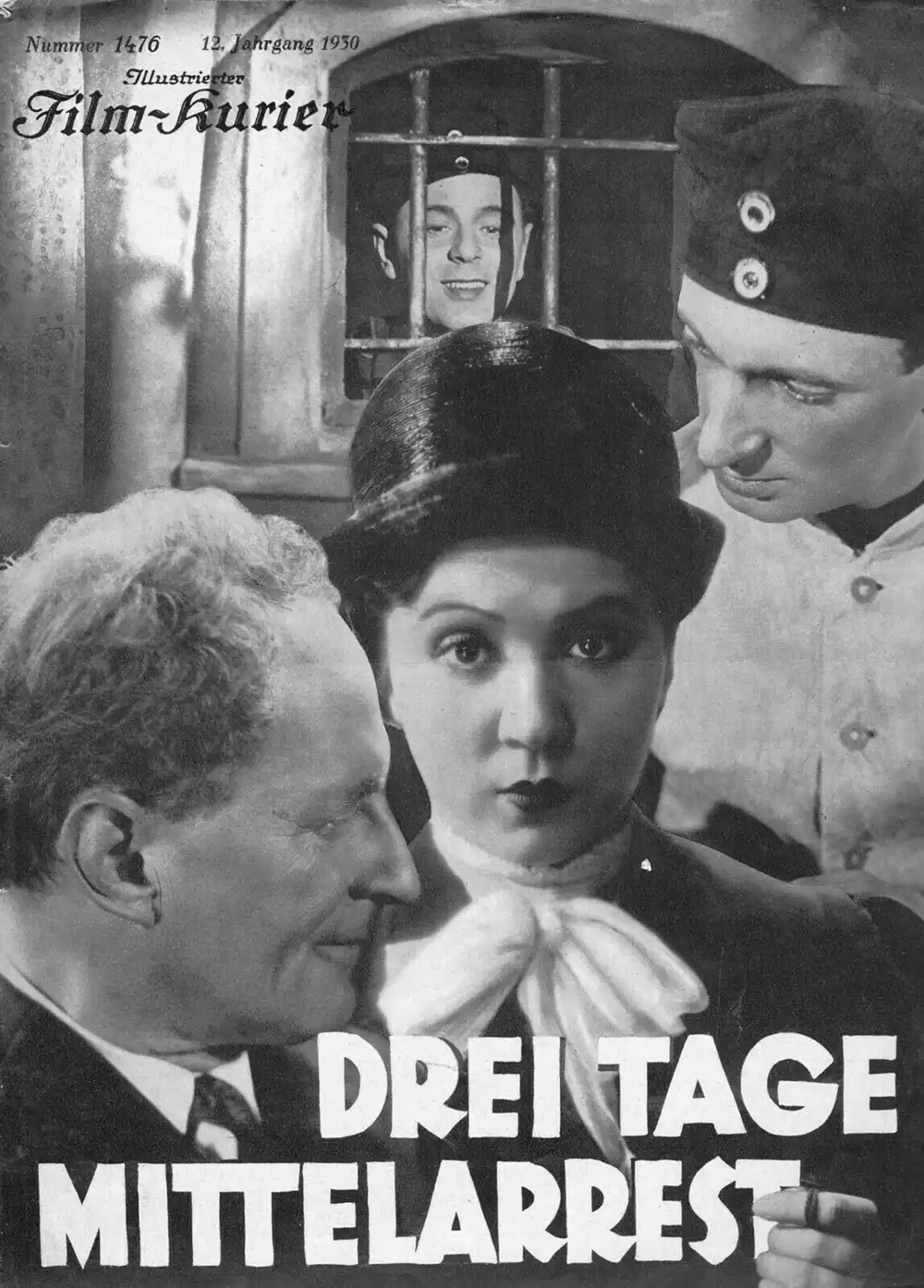
A definitive 6.5/10 rating for a film that redefined the boundaries of cult cinema. Drei Tage Mittelarrest remains a cornerstone of transgressive art.
Is Drei Tage Mittelarrest worth a watch today? Well, if you have a soft spot for really old, sometimes silly, German comedies, absolutely. It's a neat little time capsule. If you're looking for modern pacing or laugh-out-loud slapstick, you might find it a bit slow. It's for folks who enjoy seeing how humor worked back in the early 30s.
The setup here is so wonderfully simple. A pretty maid, Anna (Lucie Englisch), in a quiet garrison town. She's got eyes on her, especially from three soldiers. And then, oops! Pregnant. 🤰
The core mystery, "who's the father?", drives everything. But it's less a mystery and more a convenient plot device for delightful misunderstandings.
Max Adalbert as Sergeant Krause is a standout. His exasperated expressions alone are worth tuning in for. He's constantly caught in the middle of all the drama. His face when Anna first drops the bombshell… priceless.
The film really leans into the idea of a tight-knit, almost gossipy, small town. Everyone knows everyone's business. That's where a lot of the charm comes from. The way news spreads.
There’s an early scene where the three soldiers — Knopp (Fritz Schulz), Bornemann (Georg Berg), and Lehmann (Hugo Fischer-Köppe) — are trying to impress Anna. Each one thinks he's the charming one. It's a very specific kind of male swagger that’s both goofy and kinda endearing.
I noticed the sound design is pretty basic, but in a way that feels authentic to the era. Sometimes the dialogue feels a tiny bit muffled, like it was recorded in a slightly echo-y room.
The titular "Drei Tage Mittelarrest" (three days of moderate arrest) becomes this looming threat. It's what the soldiers are desperately trying to avoid. It’s a surprisingly low-stakes punishment for such high-stakes drama in their personal lives.
There's a particular sequence where they're trying to figure out who the culprit is. The soldiers are just so bad at hiding things. Their nervous glances at each other, the way they try to shift blame. It's very broad, but it works.
Lucie Englisch, as Anna, plays her role with a certain knowing innocence. She's not just a damsel in distress; she's holding all the cards. She has this particular smirk that tells you everything. You can almost feel the power dynamic shift in her favor.
The film’s pacing is… gentle. It takes its time. There are moments that feel like they could have been trimmed, sure. But then you realize it’s part of the era's charm, allowing for more character reactions to breathe.
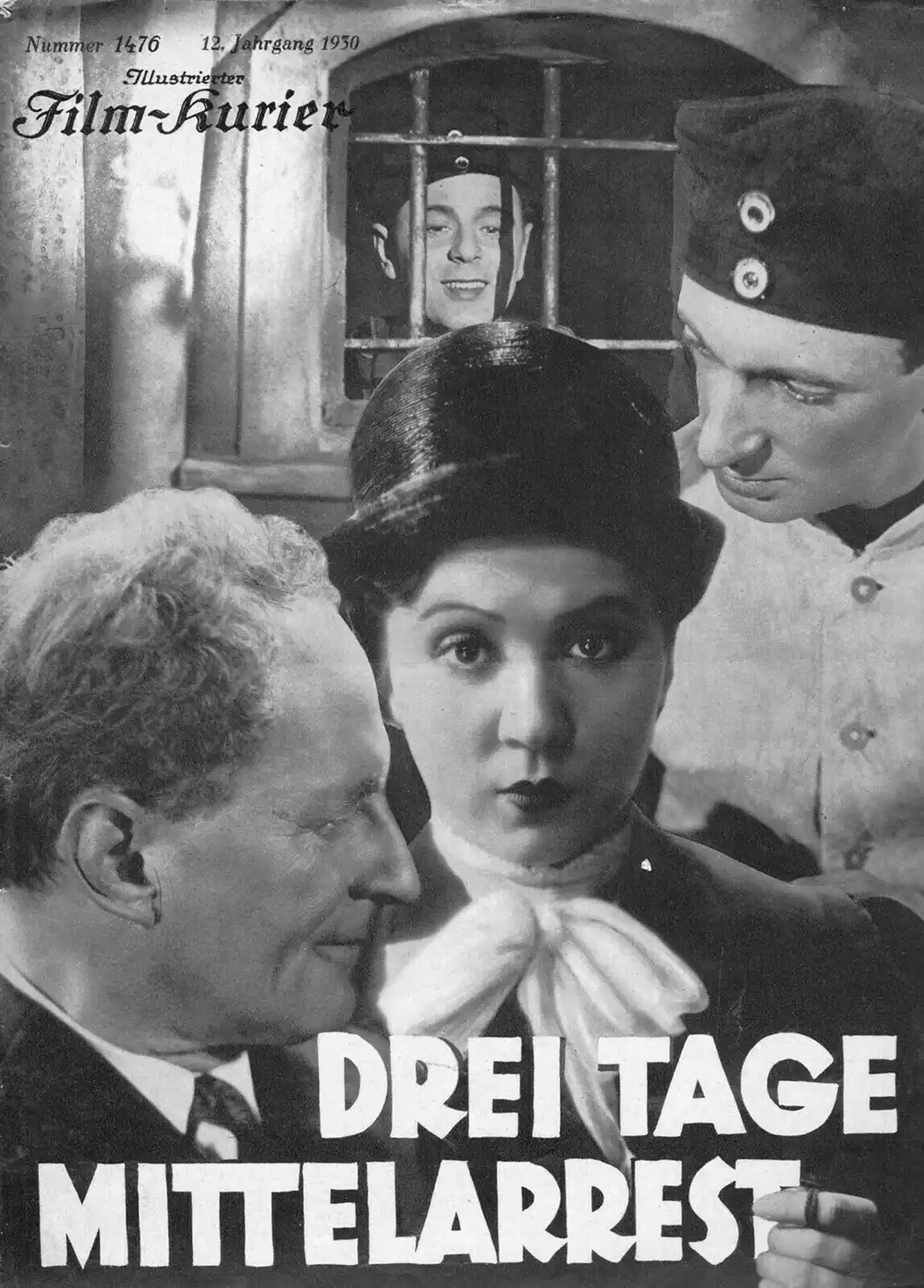
Paul Hörbiger has a small part but brings his usual charisma. He doesn't do much, but his presence genuinely elevates the scene he's in.
The whole sequence with the officers trying to get to the bottom of it all is a highlight. The way they question the men. Each soldier trying to maintain his dignity while clearly panicking. It's like watching schoolboys being interrogated by their headmaster. Very funny.
It’s interesting how the film uses rumors and speculation as a driving force. Everyone in the town has an opinion. And they’re not shy about sharing it.
You can tell this was probably originally a stage play. The confined settings, the rapid-fire dialogue exchanges. It has that theatrical feel, which I kind of dig. It keeps things focused.
The ending wraps things up in a way that feels a bit too neat, almost like a polite shrug. But for a comedy from this period, you kinda expect that. No deep moral lessons, just a resolution to the farce.
🎬 One specific shot I liked: The camera framing when all three soldiers are lined up, looking utterly miserable, while Anna stands a little apart, observing them. It really tells the whole story without a single word being spoken.
Some of the humor relies on very specific cultural context from 1930s Germany. But enough of it is universal: male ego, embarrassment, small-town gossip. Those bits still land.
The costumes are great too. Those military uniforms, so crisp. And Anna's simple but elegant dresses. It all feels very authentic to the time.
Don’t expect any profound social commentary here. It’s pure escapism, a lighthearted chuckle. A fun little diversion.
It reminded me a bit of those old British Ealing comedies in its gentle satire of bureaucracy and small-town life. Not as biting, maybe, but similar vibes.
There's this one moment where one of the soldiers, I think Knopp, tries to make a grand, heroic confession, and it falls completely flat. So good. 😂 His face just drops.
The film doesn't overstay its welcome. It gets in, tells its silly story, and gets out. That's a definite plus for an older film like this.
IMDb 5.6
1929
Community
Log in to comment.