DbcultAccessing Vault...
5.8/10
Senior Film Conservator
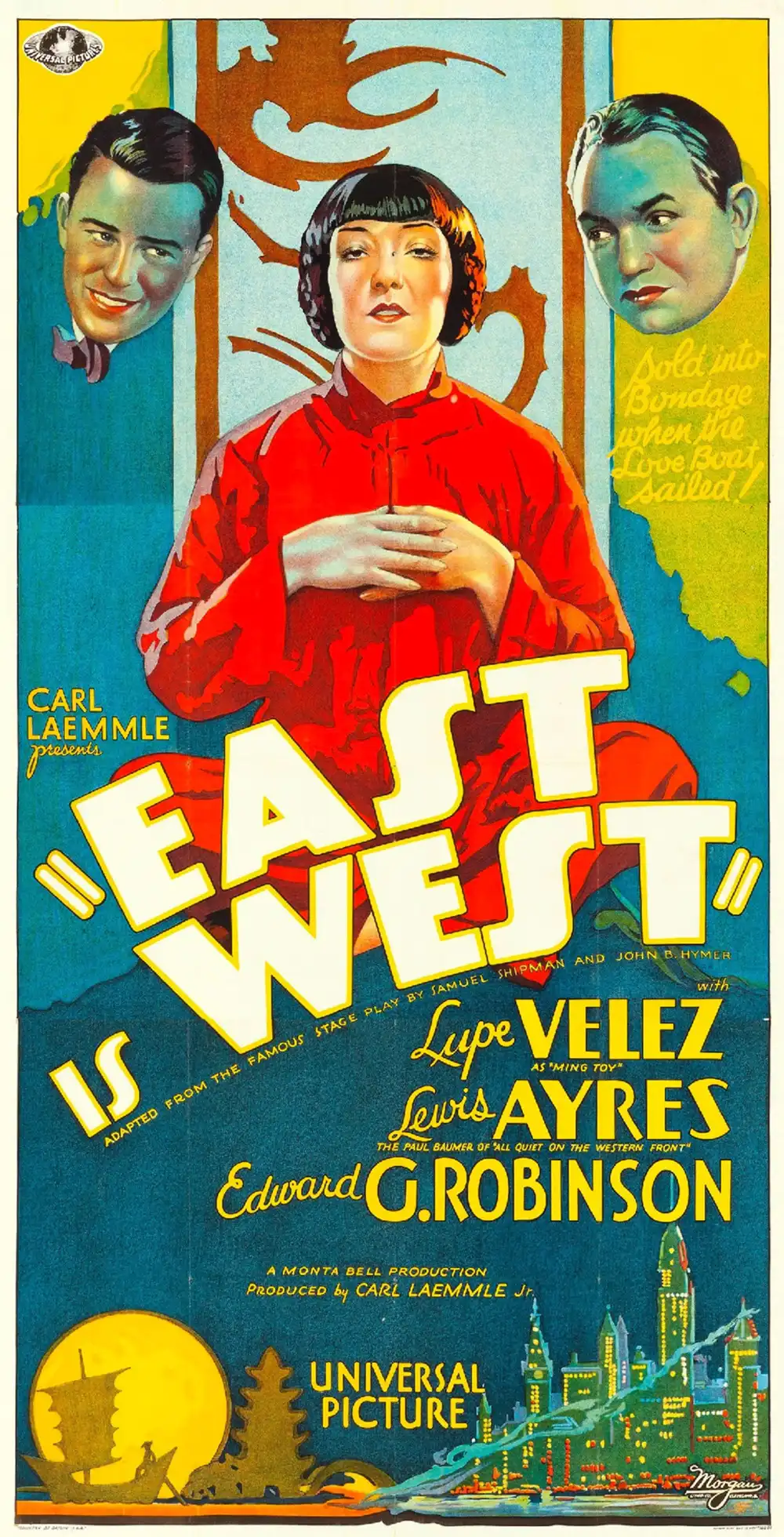
A definitive 5.8/10 rating for a film that redefined the boundaries of cult cinema. East Is West remains a cornerstone of transgressive art.
If you like watching old movies just to see how bizarre things used to be, you should probably watch this tonight. It is definitely for people who enjoy Pre-Code era weirdness and don't mind some really outdated racial stuff. If you're looking for a serious drama that makes sense, you will probably hate it within ten minutes. 🎬
Lupe Velez plays Ming Toy, and right away, you can tell this is going to be a ride. She is supposed to be Chinese, but she’s very clearly a Mexican actress doing a very high-pitched, energetic voice. It’s not exactly 'accurate,' but man, she has so much energy. She bounces around the screen like she’s had five cups of coffee right before the director yelled action.
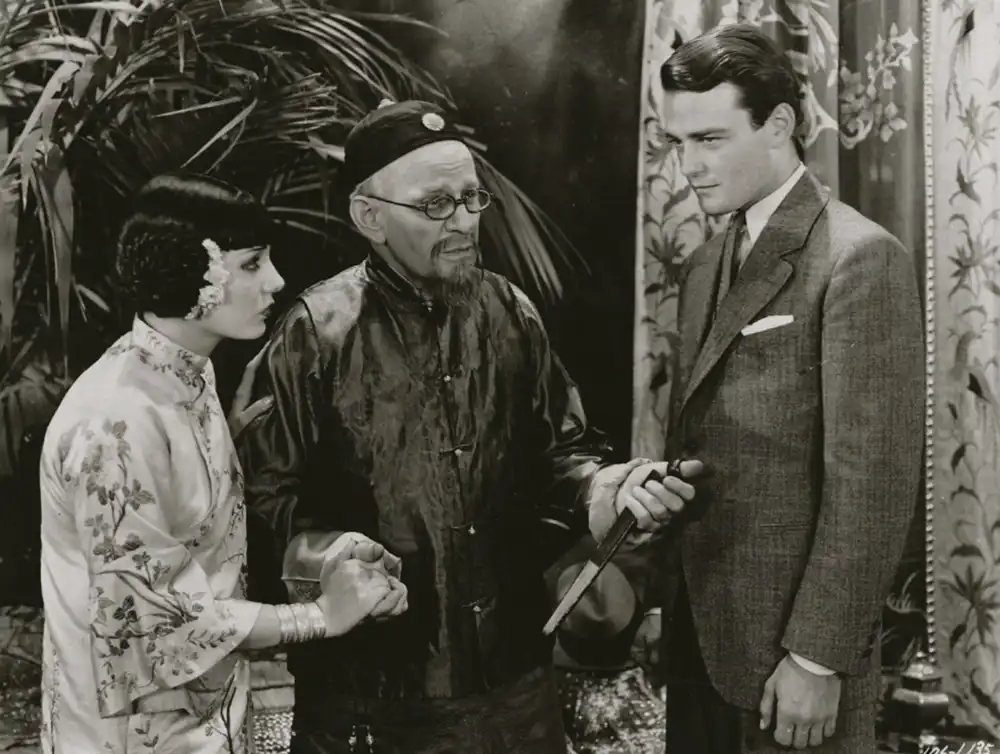
The movie starts with her on an auction block in China. It looks like a stage play set, honestly. The background extras just kind of stand there looking confused while the main actors do their thing. Then Billy (played by a very young Lew Ayres) shows up and decides to save her. It’s all very fast and doesn’t really explain why he’s there or why he cares so much.
They end up in San Francisco, which is where the movie gets actually interesting. We meet Charlie Yong, who calls himself the Chop Suey King. This is played by Edward G. Robinson. Yes, the guy from the gangster movies. He is wearing these huge silk robes and trying to act all regal and 'Eastern,' but he still sounds exactly like a guy from a New York alleyway. It is the most fascinating and confusing performance I've seen in a while.
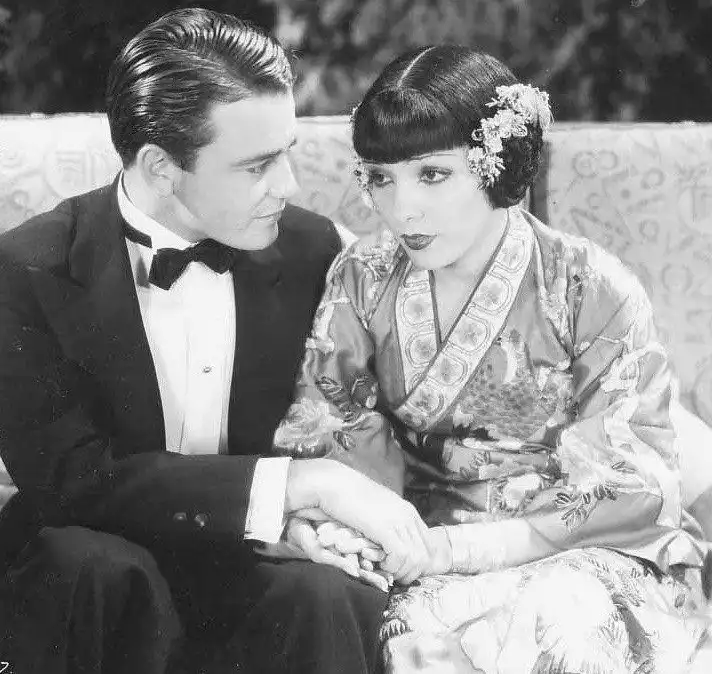
There’s this one scene where Charlie Yong is sitting in his big chair, smoking a pipe and talking about how much power he has. He looks like he’s having the time of his life. He treats the whole role like he’s playing a mob boss who just happened to move to Chinatown. It’s way better than it has any right to be. It reminds me a little bit of the weird character vibes in The Squall where everyone is just dialed up to eleven.
The plot moves in these weird jumps. One minute they are talking about deportation, and the next, Charlie Yong is 'buying' her so she can stay in the country. It feels like the writers had a list of things they wanted to happen but forgot to write the scenes that connect them. You just have to go with it. 🤷♂️
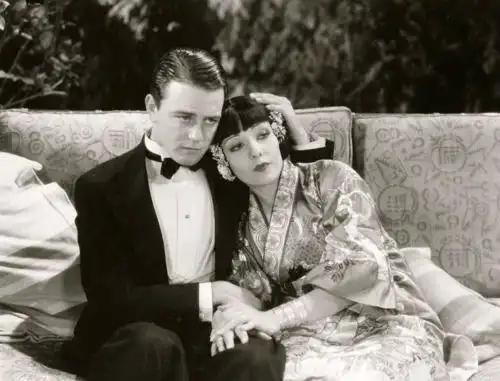
Billy eventually decides he needs to kidnap her to save her from the marriage. The 'kidnapping for love' trope is always a bit icky when you look at it now. But back then, it was just the hero being a hero, I guess. The scene where he sneaks in is actually kind of quiet and tense for a 1930 talkie. Usually, these early sound movies are just people yelling at a hidden microphone in a flower vase.
I noticed the sound quality gets really fuzzy whenever there is more than one person talking. There’s a lot of hissing in the background. It adds to the feeling that you’re watching something that was almost lost to time. Also, the music is barely there, so when it does kick in, it’s really loud and startling.
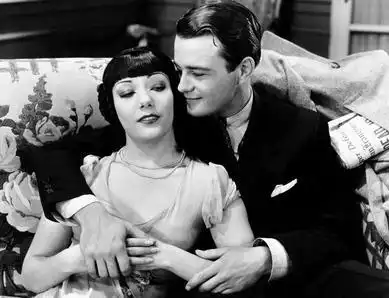
The house Ming Toy stays in is full of these tiny details. There are statues and weird wall hangings everywhere. It feels crowded and heavy. It makes the scenes feel smaller, which I think works for the story. You feel like she’s trapped even when the doors are open.
There is a lot of talk about 'East is East and West is West.' It’s the kind of stuff people thought was deep back then. Now it just sounds like a greeting card. But the movie keeps hitting you over the head with it. It’s almost funny how many times they mention the difference between the two worlds.
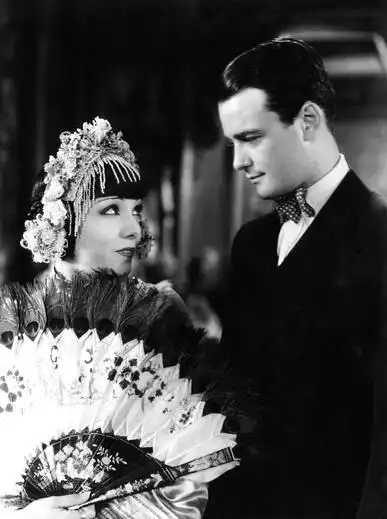
I didn't really care about the romance between Billy and Ming Toy. They don't have much chemistry. Billy is just kind of 'there' being handsome and concerned. Ming Toy is way more interesting when she’s interacting with the villains. She has this look in her eyes like she’s trying to figure out if she can outsmart everyone in the room.
The ending has a 'twist' that is so typical for this era. It’s the kind of ending that makes you roll your eyes and laugh at the same time. It’s meant to fix all the problems the movie created, but it just makes everything feel even more ridiculous. I won't tell you what it is, but if you've seen other movies from this time, you can probably guess. 🙄
One reaction shot of Edward G. Robinson lingers for so long it becomes funny. He just stares at the camera with this half-smile while nothing happens. I wonder if the editor just forgot to cut away. Or maybe they just wanted more of his face on screen because he’s the best part of the whole thing.
It’s not a masterpiece. It’s barely a good movie. But it’s a fascinating artifact. It shows you exactly what people thought was entertaining and okay to put on screen in 1930. If you can get past the offensive parts, there is a weird charm to how messy it is.
The pacing is all over the place. The first half feels like it takes years, and then the last twenty minutes happen in a blur. I feel like I missed a scene or two because the ending comes out of nowhere. One minute there is a confrontation, and the next, everything is perfectly fine.
Is it worth a watch? Only if you really like Edward G. Robinson or you're doing a deep dive into Pre-Code cinema. Otherwise, you might find it more frustrating than fun. But I’m glad I saw it, if only for the 'Chop Suey King' business. 🥢✨
IMDb —
1921
Community
Log in to comment.