DbcultAccessing Vault...
Cult Review
Senior Film Conservator
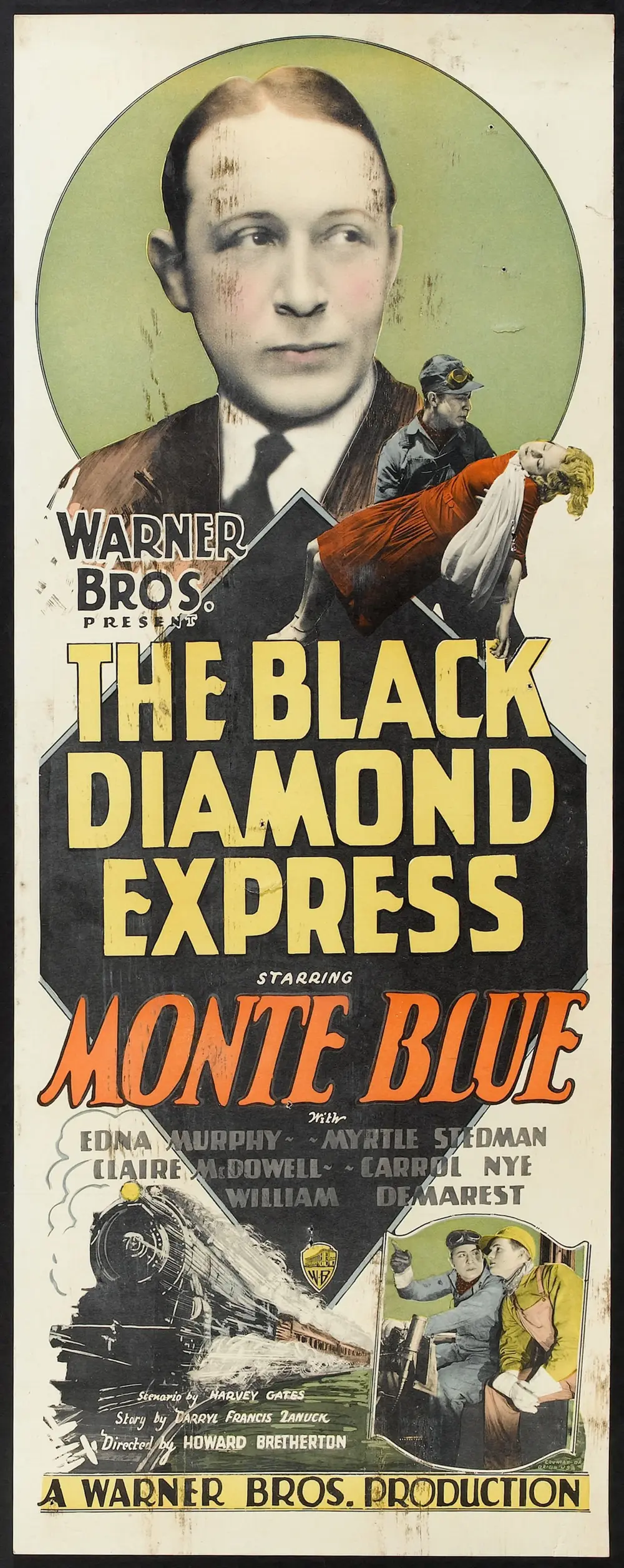
Is The Black Diamond Express a hidden gem of the silent era or just another rusty relic of the 1920s? Short answer: It is a functional, high-energy melodrama that succeeds as a character study of industrial masculinity, even if its social commentary is as subtle as a train wreck. This film is for those who appreciate the kinetic energy of early cinema and the physical acting of Monte Blue; it is not for viewers who require nuanced female characterization or a plot that avoids the 'rich vs. poor' clichés of its time.
If you are a student of early Hollywood history or a fan of the 'Zanuck touch' in storytelling, the answer is a firm yes. However, if you are looking for a story that challenges the status quo of 1927, you will likely find it wanting. It is a film of its moment—loud, fast, and morally binary.
1) This film works because Monte Blue delivers a performance that feels genuinely grounded in labor; his Dan Foster isn't a Hollywood version of a worker, but a man who looks like he belongs in the engine room.
2) This film fails because the character of Mrs. Harmon is written with such venomous elitism that she ceases to be a human and becomes a mere plot device.
3) You should watch it if you enjoy films where the setting—in this case, the thundering Black Diamond Express—is as much of a character as the actors themselves.
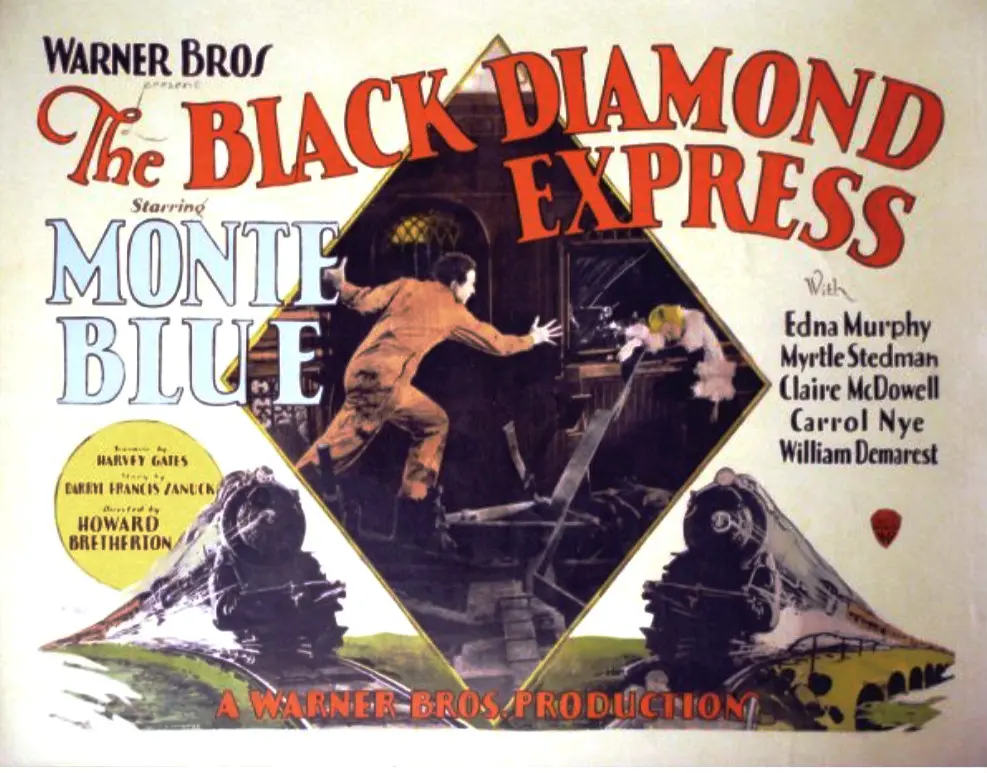
Monte Blue was often cast as the rugged everyman, and here, he leans into that persona with a physicality that is rare for the era. In the opening sequences, we see him at work. He isn't just posing. He is interacting with the machinery of the train in a way that suggests a deep familiarity. This isn't the polished heroism we see in Homer Comes Home; this is sweat and steel.
Blue’s performance is the anchor of the film. When he shares scenes with Edna Murphy’s Jeanne, the contrast is jarring. Murphy plays Jeanne with a delicate, almost ethereal quality that highlights the 'forbidden' nature of their romance. One specific moment that stands out is when Dan first enters the Harmon household. He looks too large for the room. His presence threatens the delicate china and the rigid social codes of the space. It’s a visual metaphor that the director, Howard Bretherton, handles with surprising grace.
The acting style here is transitionary. We are moving away from the wild gesticulations of the early silent era and into something more restrained. Blue uses his eyes and his posture to convey Dan’s discomfort and determination. It works. But it’s flawed by the script’s insistence on making him a saint of the tracks.
Darryl F. Zanuck’s influence on the script is undeniable. Even at this early stage in his career, Zanuck understood the need for forward momentum. The pacing of The Black Diamond Express mirrors the train it is named after. There is very little fat on this narrative. Each scene serves to either heighten the romantic tension or escalate the social conflict.
Compare this to the more languid pacing of The Moment Before. While that film lingers on atmosphere, Zanuck and Harvey Gates push the characters toward an inevitable collision. The writers use the train as a ticking clock. If Dan can’t master the machine, he can’t master his life. It’s a simple, effective narrative hook that keeps the audience engaged even when the dialogue (via title cards) becomes overly sentimental.
However, this efficiency comes at a cost. The secondary characters, particularly the Harmon family, are painted with a very broad brush. We’ve seen this 'snobbish mother' archetype in countless films like Extravagance. Mrs. Harmon doesn't have a motivation other than being a barrier. It’s a missed opportunity to explore the actual anxieties of the 1920s upper class facing a rising industrial power.
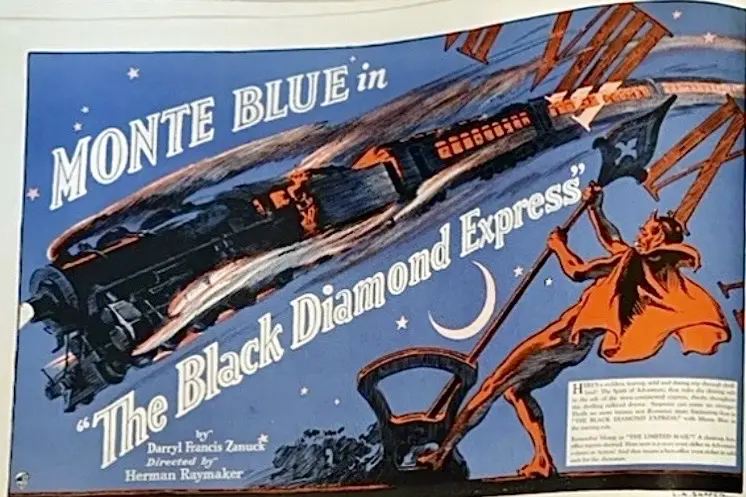
The true star of the film is the locomotive. The cinematography during the train sequences is breathtaking for 1927. The camera is often mounted in positions that emphasize the speed and the danger of the rails. We see the sparks, the smoke, and the blurring landscape. It creates a sense of visceral excitement that the parlor scenes simply cannot match.
There is an almost erotic obsession with the engine's pistons and gears. The film suggests that this machine is the pinnacle of human achievement. When Dan is in the cab, the lighting is high-contrast, casting deep shadows across his face. It’s a precursor to the noir aesthetics that would dominate Hollywood a decade later. In contrast, the Harmon estate is filmed in soft, flat lighting. It’s meant to look safe, but it also looks dead.
One particular shot—a low-angle view of the train approaching the camera—is a masterclass in tension. It reminds the viewer that while Dan loves Jeanne, his first mistress is the machine. This duality is what makes the film more than just a standard romance. It’s a film about the burden of responsibility and the lure of the open road.
If you are asking if this film holds up to modern standards of storytelling, the answer is no. The gender roles are archaic, and the resolution of the class conflict feels unearned. But if you are asking if it provides a compelling visual experience and a snapshot of a turning point in American history, then yes, it is absolutely worth watching.
The film captures the anxiety of a world in transition. Dan Foster is the man of the future, while the Harmons are relics of the past. The movie doesn't just ask us to like Dan; it demands we respect the grease under his fingernails. This stance was quite bold for its time, even if it’s wrapped in the sugar-coating of a traditional romance.
The Black Diamond Express is a sturdy piece of cinematic engineering. It isn't a masterpiece of high art like some of its contemporaries, but it is a masterclass in genre filmmaking. It knows exactly what it is: a crowd-pleasing story about a tough man in a tough world. It’s a machine. It works. But it’s flawed. While it may not have the emotional depth of The Splendid Sinner, it makes up for it with sheer momentum. For any fan of the silent screen, this is a journey worth taking, even if the destination is a bit predictable. predictable. . predictable.
IMDb —
1922
Community
Log in to comment.