DbcultAccessing Vault...
6.8/10
Senior Film Conservator
A definitive 6.8/10 rating for a film that redefined the boundaries of cult cinema. Édes mostoha remains a cornerstone of transgressive art.
If you have a soft spot for black-and-white dramas that feel like they belong in a dusty attic, then sure. It's a quiet, domestic sort of film. If you need pacing, modern editing, or anything resembling a surprise, you will probably be bored to tears within twenty minutes.
The whole thing hinges on the idea of the 'evil stepmother.' It’s such a tired trope, but seeing it play out in 1935 Hungary adds this layer of historical flavor that keeps it from being just another soap opera. It feels like watching a stage play that someone accidentally filmed.
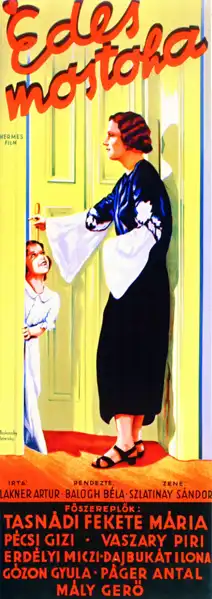
Erzsike, the little girl, is essentially a walking bundle of anxiety. Her reaction to the new stepmother is so intense it’s almost funny. She’s been told by her governess that stepmothers are essentially monsters in human skin. Watching her navigate the house with this terrified expression makes you want to reach into the screen and tell her to just breathe.
The house itself feels like another character. It’s stiff and formal. Everything is in its place. When the new wife arrives, the furniture seems to reject her as much as the child does. There’s a scene where the camera just sits there, capturing the silence in the living room, and it lasts just a second too long. It’s perfect. It makes you feel the awkwardness.
The movie is mostly about the father, András, trying to play peacemaker. He looks tired. Not just 'movie tired,' but like he hasn't slept in a week. It’s a very grounded performance that saves the film from turning into pure melodrama.
It’s not a masterpiece. It doesn't need to be. It’s a snapshot of a very specific kind of grief that doesn't scream, but just sits in the corner of the room. 🕰️