DbcultAccessing Vault...
6.9/10
Senior Film Conservator
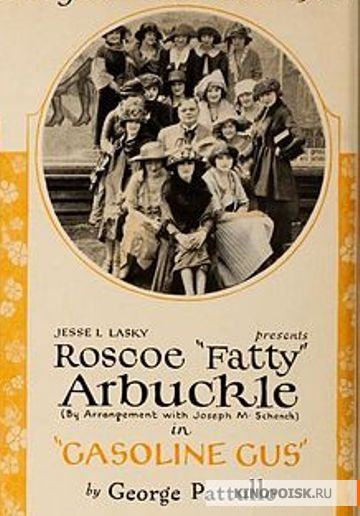
A definitive 6.9/10 rating for a film that redefined the boundaries of cult cinema. Gasoline Gus remains a cornerstone of transgressive art.
Stepping into the world of early cinema, particularly the slapstick comedies that defined an era, often feels like unearthing a forgotten treasure. Among these cinematic gems, Gasoline Gus, a 1917 silent film starring the incomparable Roscoe 'Fatty' Arbuckle, emerges as a delightful, if perhaps less frequently celebrated, artifact. This film, a product of a time when the very language of cinema was still being forged, offers more than just a series of gags; it presents a fascinating snapshot of American ambition, naivety, and the perennial allure of the quick buck.
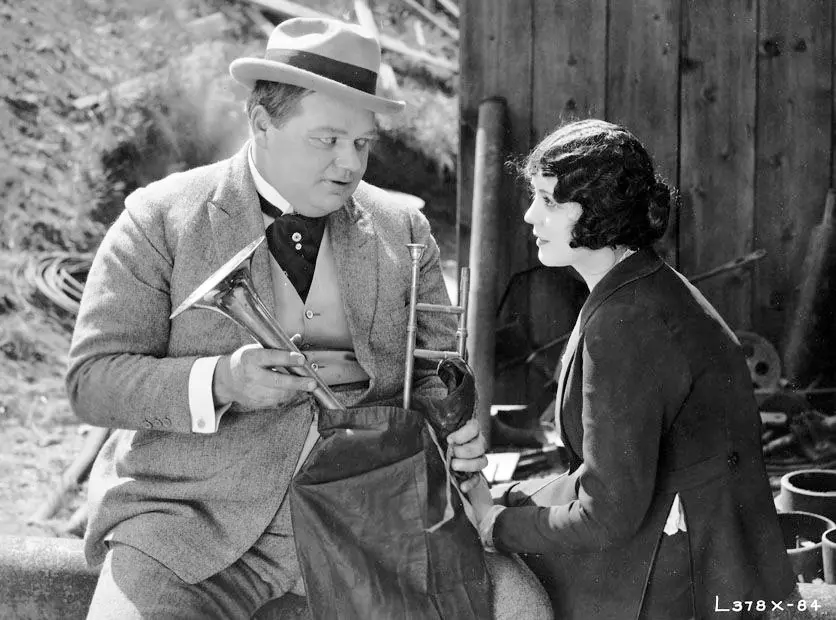
At the heart of this comedic maelstrom is Gus, portrayed with a characteristic blend of innocent bumbling and unexpected charm by Arbuckle. Gus is not merely a simpleton; he is an embodiment of unadulterated guilelessness, a man so utterly devoid of business acumen that he becomes the perfect unsuspecting pawn in a grander scheme. Arbuckle’s genius, in this role, lies in his ability to convey this profound lack of understanding not through overt stupidity, but through a kind of blissful detachment from reality. His physical comedy, often subtle yet always effective, underscores Gus’s fundamental disconnect from the machinations unfolding around him. Unlike the more boisterous antics seen in some of his contemporaries' works, Arbuckle’s performance here feels grounded, even as the plot spirals into absurdity. He doesn't just fall; he tumbles through life with an endearing lack of self-awareness, making his eventual, accidental triumph all the more satisfying. This portrayal is a masterclass in comedic timing, relying on facial expressions and body language to communicate Gus's interior world – or rather, its delightful emptiness – without the aid of dialogue, a true testament to the silent era's artistry.
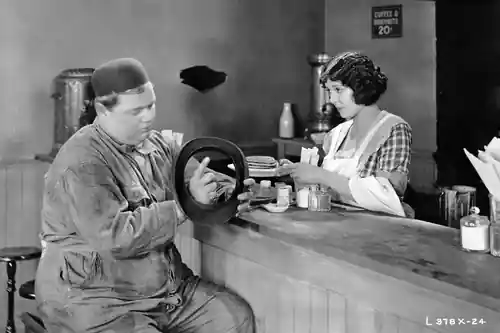
The premise, crafted by the astute minds of George Pattullo and Walter Woods, is a brilliant satire on the speculative bubbles that have perennially plagued human society. Gus, a man who literally cannot tell an oil well from an oil stove, becomes the unwitting face of a fraudulent oil stock venture. Two unscrupulous con artists, recognizing Gus’s profound ignorance as an asset rather than a liability, orchestrate an elaborate charade. They transform a sleepy, unremarkable town into a frenzied hub of purported oil speculation, selling shares in a resource that, by all rational accounts, simply does not exist beneath their feet. The townspeople, gripped by the intoxicating promise of overnight wealth, eagerly line up to invest their life savings, their judgment clouded by avarice and a misplaced trust in Gus’s supposed entrepreneurial spirit. This collective delusion is depicted with a sharp, observational humor, highlighting the ease with which communities can be swayed by the siren song of prosperity, especially when fronted by an ostensibly harmless figure like Gus. The film cleverly dissects the psychology of a boomtown, where the desire for riches eclipses critical thinking, painting a picture that remains remarkably relevant even today. The tension, or rather the comedic potential, is derived from the audience’s knowledge of the fraud juxtaposed with Gus’s blissful ignorance and the town’s fervent belief.
The narrative, however, takes a deliciously ironic turn that elevates Gasoline Gus beyond a simple tale of deception. Just as the swindlers are poised to abscond with their ill-gotten gains, and Gus remains oblivious to the impending collapse of his accidental empire, the impossible happens: the ground, supposedly barren, begins to spout genuine, gushing crude oil. This sudden, miraculous eruption of black gold is the film's masterstroke, a deus ex machina that is both hilarious and profoundly satisfying. It subverts expectations, not only for the characters within the film but also for the audience, who anticipate the inevitable exposure of the con. Instead, fate intervenes with a cosmic joke, transforming a fraudulent enterprise into a legitimate, wildly successful venture. This twist introduces a layer of whimsical absurdity, suggesting that sometimes, sheer luck or a benevolent universe can rectify even the most egregious of human follies. The crooks, initially triumphant, find themselves caught in a bind: their fraudulent scheme has inadvertently stumbled upon genuine prosperity, complicating their escape and forcing them to contend with an unexpected reality. This reversal of fortune provides ample opportunity for further comedic scenarios, as they scramble to adapt to a situation far beyond their manipulative control.
While Arbuckle undeniably anchors the film with his magnetic presence, the supporting cast contributes significantly to its comedic texture. Theodore Lorch and Fred Huntley, as the conniving swindlers, provide excellent foils to Gus's innocence. Their exaggerated villainy and increasingly frantic reactions to the unfolding absurdity are a joy to behold. Lila Lee, a budding star of the era, brings a youthful exuberance to her role, adding a touch of romance or perhaps just a sympathetic gaze to the proceedings. Wilton Taylor, Charles Ogle, Knute Erickson, and William V. Mong round out the ensemble, each contributing to the vibrant tapestry of the small town and its eccentric inhabitants. The interplay between these characters, often communicated through broad gestures and expressive pantomime, is crucial to the film's success. It’s a reminder that silent film acting was a unique craft, demanding a heightened sense of theatricality to convey emotion and plot points without dialogue. The collective energy of the cast creates a lively and believable world, making the audience invest in the fate of this peculiar community, even as they laugh at its vulnerabilities. The seamless integration of these performances ensures that Gasoline Gus feels like a cohesive comedic effort, rather than a mere showcase for its star.
The brilliance of Gasoline Gus also resides in its well-structured narrative, a credit to writers George Pattullo and Walter Woods. Their screenplay demonstrates a sophisticated understanding of comedic pacing and dramatic irony. They establish Gus's character and the swindle with clarity, allowing the audience to fully grasp the layers of deception and the impending doom for the unsuspecting townsfolk. The meticulous setup of the fake oil operation, contrasted with Gus's oblivious involvement, creates a continuous undercurrent of humor. The pivotal moment of the actual oil strike is not just a random event; it's a carefully placed narrative bomb that detonates with maximum comedic impact, completely upending the established order. This kind of narrative precision was vital in silent films, where every visual cue and plot development had to be
IMDb 6.5
1919
Community
Log in to comment.