DbcultAccessing Vault...
Cult Review
Senior Film Conservator
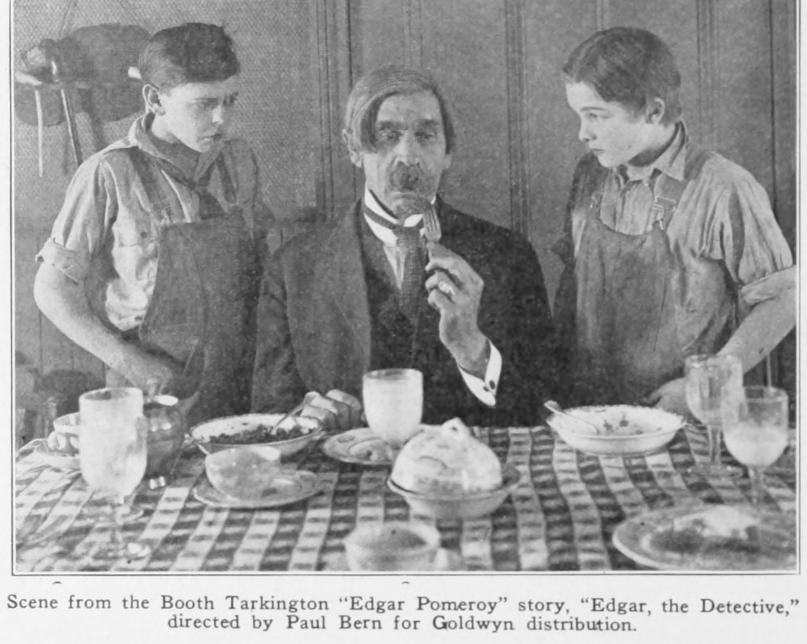
A nickel’s worth of tin, a pamphlet of pipe-dreams, and a hay-wagon rolling toward the minister’s porch—Edgar, the Detective distills the entire silent-era appetite for mischief into twenty breezy minutes.
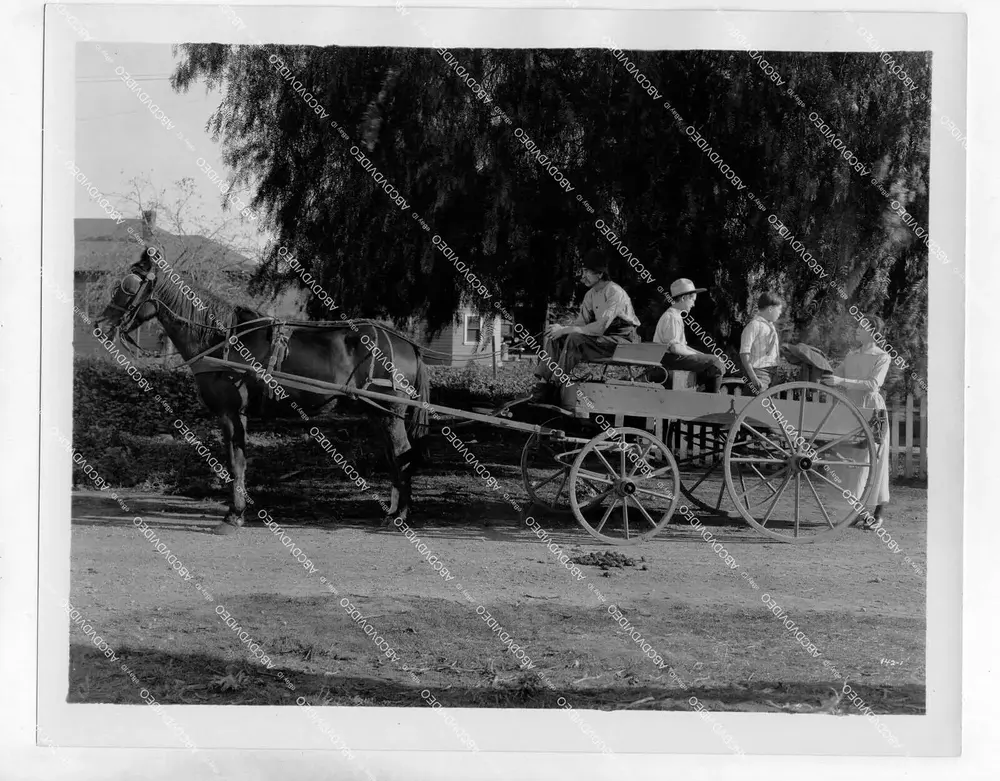
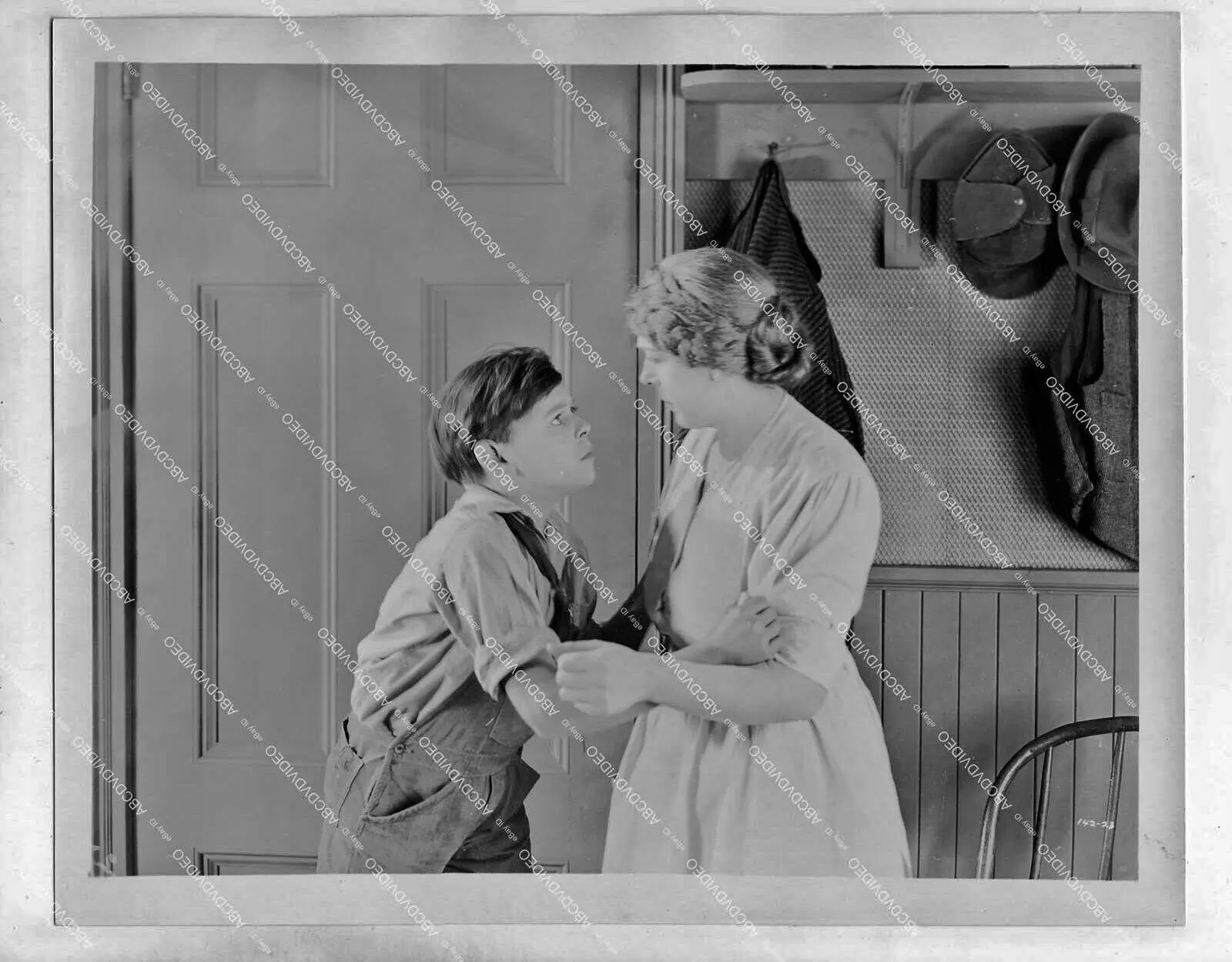
Seldom screened outside university vaults, this 1922 one-reeler—written by Pulitzer laureate Booth Tarkington three years before he published the novel that would become Orson Welles’s The Magnificent Ambersons—plays like a backyard detective yarn that wandered in front of a Pathé camera. Edgar (Buddy Messinger, freckle-faced and buoyant) believes a badge purchased from the back pages of The Youth’s Companion transmutes him into a bloodhound. His chum, all knees and elbows, tags along clutching a magnifying glass the size of a pie tin. Together they stow away on Uncle Zeke’s hay-rack bound for town, convinced that the hired hand’s whispered tryst with the minister’s housekeeper is code for imminent foul play.
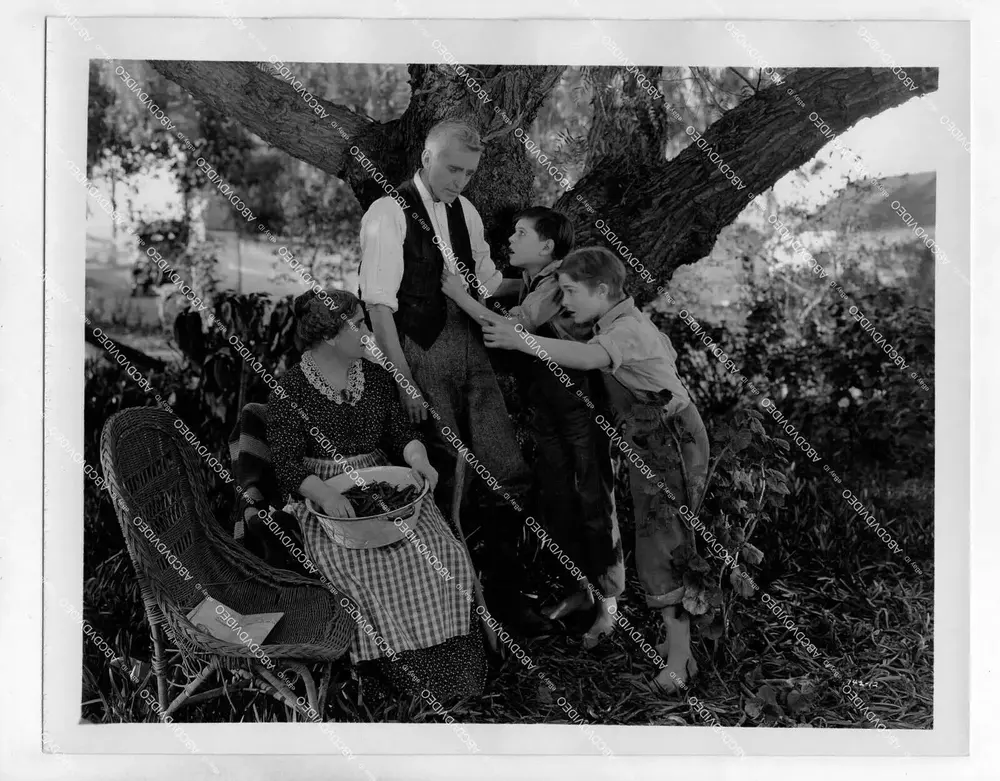
The joke, deliciously Tarkingtonian, is that the adults are guilty of nothing more carnal than matrimony. The boys’ crestfallen glances at the wedding rice’s flutter—shot in leisurely tableau style—echo the moment when Tom Sawyer discovers gold in Injun Joe’s cave only to have it taxed away by grown-up bureaucracy. Director Edward Buzzell (two decades from guiding the Marx Brothers in At the Circus) keeps the camera static, but the comic timing is already proto-screwball: Edgar dusts for fingerprints on a butter churn; the churn topples, splattering a farm dog whose tail-wag provides the scene’s wipe-cut.
Messinger, a former Our Gang utility player, gives Edgar the elastic body language of a Harold Lloyd minus the skyscraper peril. He mugs, yes, but the performance is salted with authentic pre-adolescent solemnity—note the way he polishes the badge on his suspender before entering the church, as though knighthood depended on gleam. Cordelia Callahan’s ingenue appears for barely thirty seconds, yet the close-up of her lace collar, quivering under the minister’s benediction, supplies the film’s sole breath of erotic tension, a whisper the boys misread as strangulation gasps.
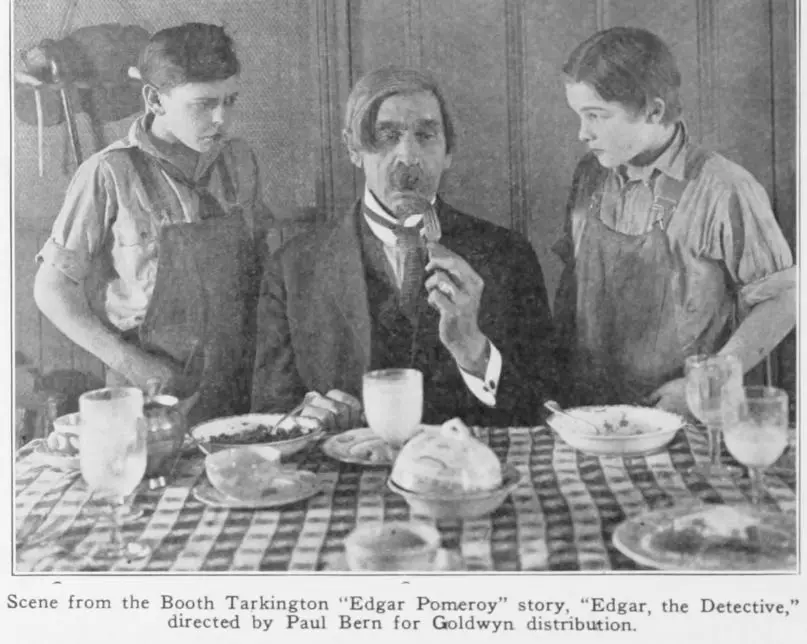
John Cossar, cast as the supposedly sinister hired hand, has the brow of a Victorian villain but the gait of a man lugging butter firkins. That dissonance is the gag: melodrama’s visual grammar collides with pastoral pragmatism. Meanwhile, Lucretia Harris—one of the few Black performers in 1920s two-reelers to escape servant stereotype—plays the family’s cook who punctures Edgar’s pomposity with a single lifted eyebrow. Her screen time is fleeting; her impact, seismic.
Tarkington’s script, trimmed to intertitles that flirt with dialect (“He allowed as how the parson’s parlor smelled of arson, but it were only hot biscuits”) indicts the pulp-fed fantasies of boys weaned on Nick Carter weeklys. Yet the satire is affectionate; Edgar’s disappointment is our own cultural coming-of-age. The film’s closing iris-in on the discarded badge half-buried in hay feels eerily predictive of the way post-war America will swap Boy Scout idealism for Gatsby’s shirts.
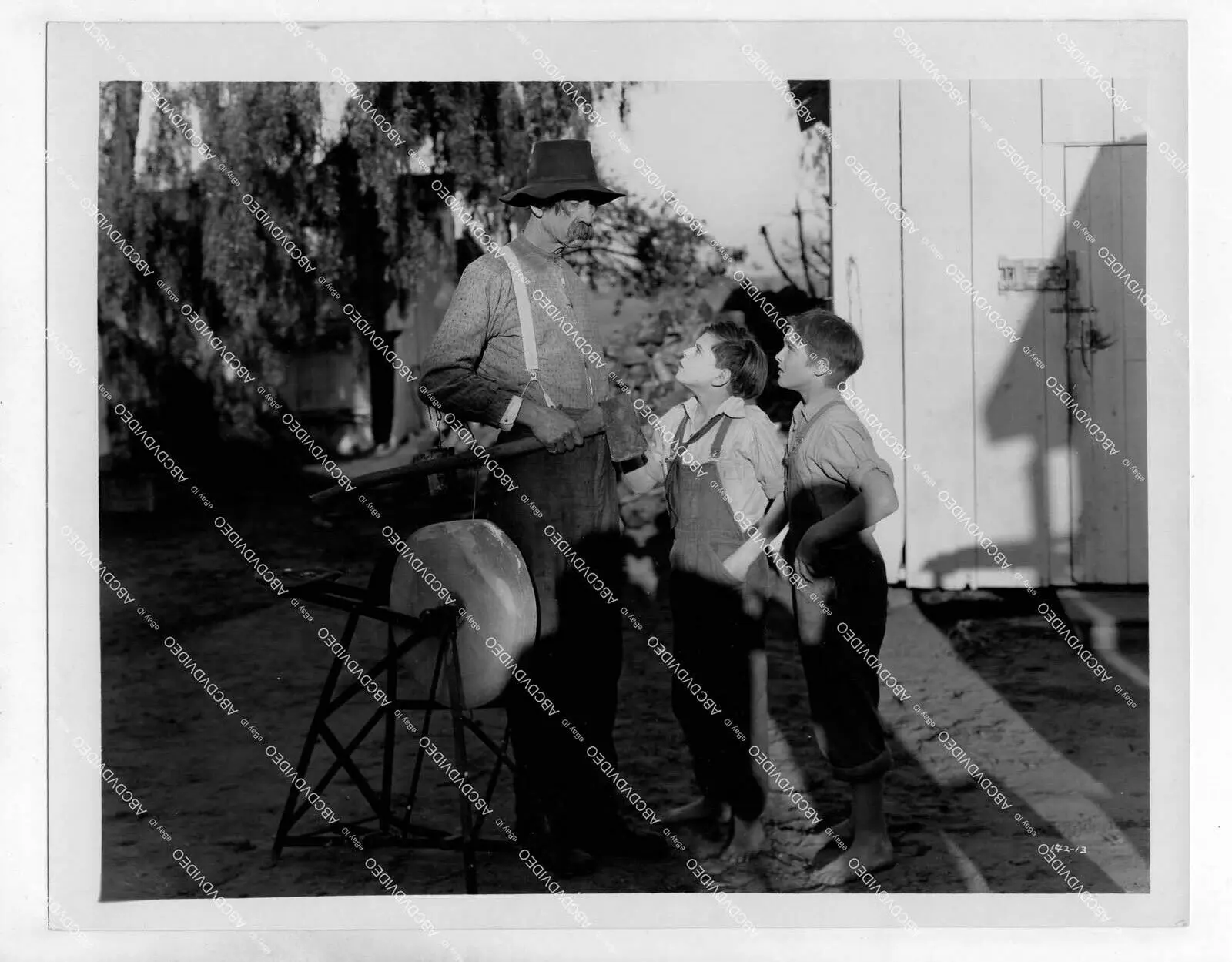
Cinematographer Friend Baker (later John Ford’s go-to for second-unit landscapes) bathes Indiana farmland in honeyed orthochromatic glow. Fence slats become zebra stripes of sunlight; the minister’s white clapboard house looms like a misplaced Greek temple. There is minimal camera movement, yet each frame is crammed with verticals—wheat stalks, pitchfork tines, church spire—that mock Edgar’s horizontal fantasies of chase.
Place Edgar, the Detective beside What Love Can Do and you see two opposing poles of 1922 storytelling: one shrinks epic romance into a locket, the other inflates child-play into operatic sham. Its DNA also rhymes with Dice of Destiny, where fate is a carnival roulette; Edgar merely swaps dice for detective dime-novels.
Contrast it with the continental gloom of Il film rivelatore or the expressionist chill of The Devil’s Foot and you appreciate how American silent comedy metabolized dread into hay-mow laughter. Even Tarkington’s own later Clarence novels would revisit the motif of a child barging into adult machinery, but never again with such compact whimsy.
For decades the only known print languished in a Des Moines Elks Lodge, projected during bean-supper fund-raisers until the red emulsion peeled like sunburn. A 1979 MOMA restoration salvaged 18 minutes; the final two—depicting Edgar’s nightmare of court documents morphing into wanted posters—remain lost, described only in a 1922 exhibitors’ tip sheet. Digital scans now circulate among collectors who swap them like contraband scripture, often set to plucked-banjo scores that flatten the film’s pastoral melancholy. Seek out the 2018 Kino edition with a string-quartet arrangement cribbed from Edward MacDowell; it underscores the parsonage sequence with aching tenderness.
In an era when every pre-teen carries a supercomputer and true-crime podcasts, Edgar’s mail-order delusion feels almost wholesome. His badge is the analog ancestor of the Twitter-verified checkmark: a talisman that confers authority without credential. The film’s gentle lampoon of armchair sleuthing anticipates our own crowdsourced witch-hunts, but locates the remedy not in cynicism, rather in communal laughter and the bittersweet acceptance that most mysteries resolve into ordinary human messes.
Watch Edgar, the Detective for its sunlit snapshots of a country that fancied itself innocent, but stay for the final shot: a boy trudging home, badgeless, while the camera cranes up to reveal wagon ruts crossing the dirt road like the stitched scars of a nation still sewing its identity. In that image, Tarkington and Buzzell distilled the entire American paradox: we are perpetually children playing cops and robbers on land stolen long before our prop badges arrived in the mail.
Verdict: 4.5/5—A miniature triumph whose modesty is its genius. Seek it, project it on a bedsheet, let the hay-dust motes swirl like celluloid ghosts.
IMDb 6.7
1937
Community
Log in to comment.