Summary
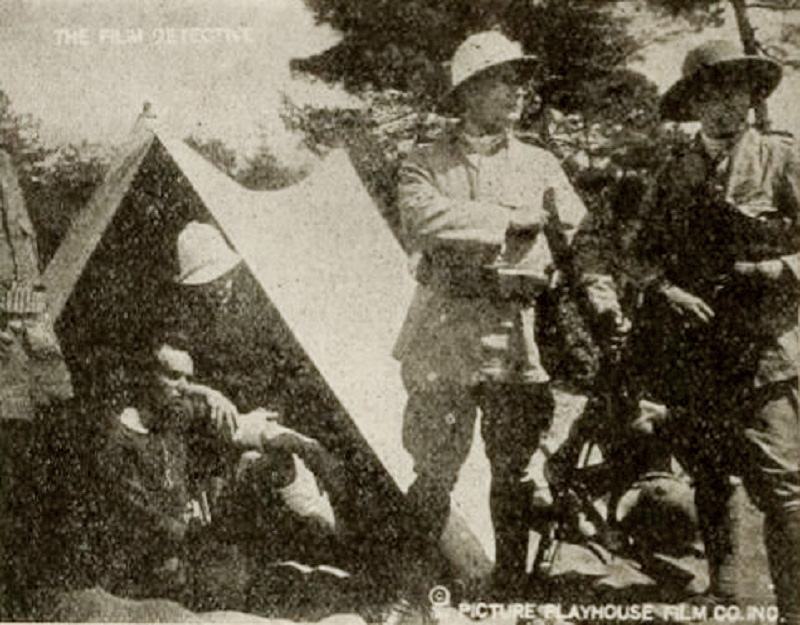
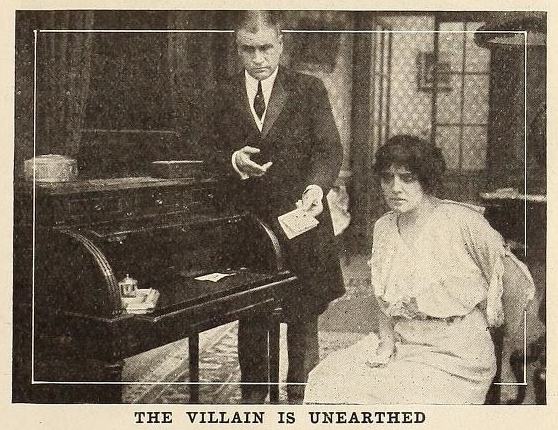
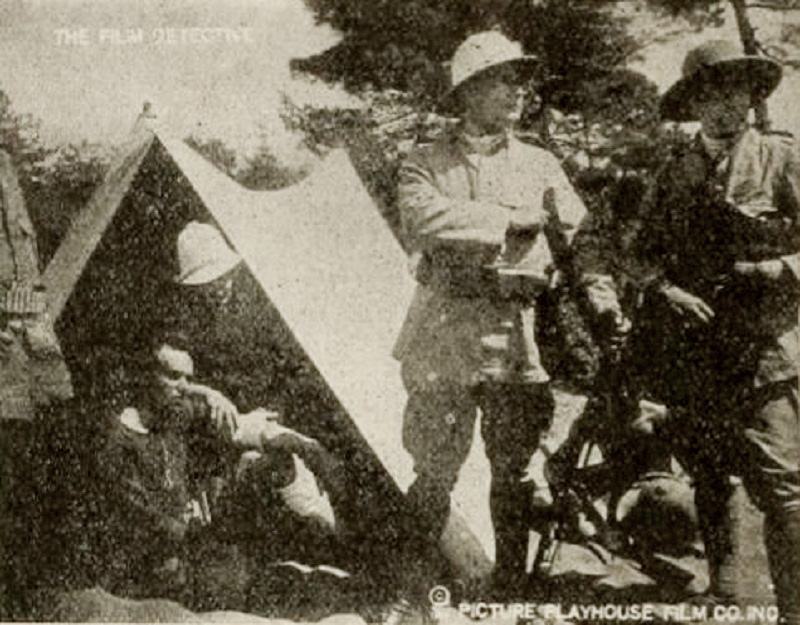
In the flickering chiaroscuro of a bankrupt drawing-room, Jack Daingerfield—once the golden boy of Mayfair—signs away the last shards of a vanished empire: crested silver, blood-bay thoroughbreds, the ancestral portrait whose eyes have watched three centuries of prodigals. Creditors circle like corvine silhouettes; one of them, a velvet-gloved puppeteer, dangles before Jack the porcelain promise of Mary Delmar, an heiress whose dowry could resurrect a name now synonymous with ruin. Their introduction is a minuet of candle-flame and hesitation: her gaze a lagoon of misgiving, his handshake a tremor that betrays the knowledge that love, when brokered, curdles into something sulphurous. Enter Lord Lytton, satin-sashed serpent, who whispers calumnies into Mary’s shell-pink ear until the engagement collapses like a house of cards in a thunder-gust. Bereft, Jack flees to an even more savage theatre: the scorched veldt where lions stitch gold embroidery across the horizon. There, amid the thorn-scrub and drone of tsetse flies, he hopes to trade blood-splattered footage for solvency. The camera—an iron basilica on spindly legs—rolls as maned sovereigns roar; yet art is christened in tragedy when a wounded beast disembowels Jack’s childhood friend, the celluloid continuing to turn like an unblinking eye. Relocating to a kopje for safer vantage, Jack frames a lion’s explosive exit from bush, unaware that two human predators—Lytton and the creditor-matchmaker—have stalked him across continents. A single crack: bullet erupts from spinal column, Jack crumples, the lion escapes, and the veldt swallows another narrative of empire. Bill Tuttle, Yankee cinematographer with freckles like cinnamon sugar, keeps the crank spinning; the assassins’ faces burn into silver halide, a death-mask diptych. Back in London’s electric dusk, the reels unspool before gasping society; villains flare incandescent, Jack—scarred but breathing—reclaims Mary’s hand while the projector’s beam stitches their silhouettes into myth.
Synopsis
Jack Daingerfield has been going a fast pace and has lost his entire fortune. His creditors hold a meeting and after a stormy interview he agrees to give them all he has. One of the creditors offers to arrange a marriage between him and a rich girl, Mary Delmar. Jack weakly consents after he has been introduced to the young woman. Lord Lytton, a jealous rival, breaks the romance, and Daingerfield, in despair, accepts a commission from a moving picture company to make a film of lion hunting in Africa. When he reaches the lion country he manages to get several wonderful pictures of the lions, but one of his friends is attacked by a wounded lion, and before they can kill the enraged beast the man is mangled beyond recognition. Jack moves to a safer place to take another film of a lion that is breaking from cover. At this moment he is shot in the back by the two assassins, Lord Lytton and one of his (Jack's) creditors. Bill Tuttle, a bright young American who was the cameraman for the expedition, succeeds in getting the two villains on his film, and when the triumphant hunters return to England the villains are exposed in their true colors by the indisputable evidence. Daingerfield finally wins the girl.
Review Excerpt
"
The first time I saw Il film rivelatore—in a damp Bologna archive with a hand-cranked 1908 Cinématographe threatening to set the nitrate alight—I realised silent cinema could scream louder than any Dolby thunder. There is a moment, barely four minutes in, when Gustavo Serena’s Jack Daingerfield stands before a Regency mirror whose mercury backing has begun to blister. The reflection fractures his face into silvered shards: a man already broken before the plot has the courtesy to announce it. T..."