DbcultAccessing Vault...
5.7/10
Senior Film Conservator
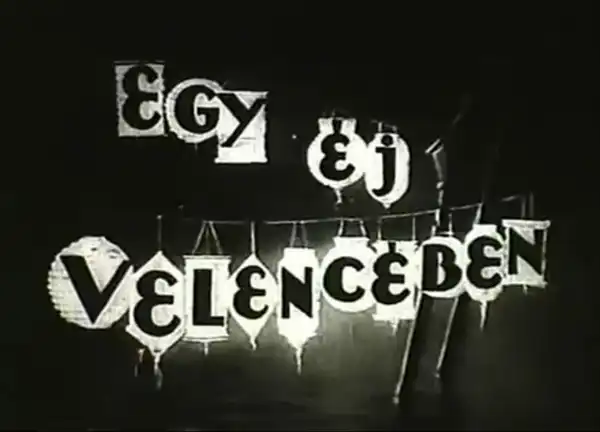
A definitive 5.7/10 rating for a film that redefined the boundaries of cult cinema. Egy éj Velencében remains a cornerstone of transgressive art.
If you have an afternoon to kill and you like the sound of people in extravagant hats arguing in gondolas, you should probably give Egy éj Velencében a look. It is a very specific kind of movie for people who miss the era when 'running away to Italy' was a valid solution for being bored. If you need explosions or people talking about their feelings in a healthy way, you will definitely hate this. 🛶
The whole thing starts with this millionairess who is just... bored. I get it. Her fiancé seems like the kind of guy who explains how insurance works for fun. Then she meets Count Antonio Grivelli at a hotel and decides, on a whim, to just follow him to Venice. It is the kind of impulsive decision that only works if you are rich or in a 1930s screenplay.
Tino Pattiera plays the Count with this very stiff, operatic energy. His hair literally does not move, even when he's near the water. There is something almost hypnotic about how much he poses rather than just standing like a normal person.
The movie really gets going once they hit Venice. Or, well, the studio version of Venice. You can tell some of it is definitely a set, but it has this cozy, dreamy quality to it. It reminds me a bit of the social posturing you see in The Climbers, where everyone is trying so hard to look like they belong in a palace.
There is this one specific moment in the hotel lobby where a bellboy walks past in the background and looks directly at the camera for a split second. It’s tiny, but it made me laugh because it felt so real in the middle of all this staged romance. 🏨
The big drama comes from a misunderstanding. She thinks he is only courting her our her money (yes, that's the vibe). Instead of just asking him, she goes into full spy mode. She starts hiding in the city, which leads to some pretty great shots of old alleyways and bridges.
It’s a bit like the confusion in My Hero!, where nobody just sits down and talks for five minutes. If they did, the movie would be ten minutes long. But then we wouldn't get to see the costumes.
Gyula Csortos shows up as the father and, honestly, he steals the whole movie. He looks like he’s perpetually smelling something slightly sour. He’s trying to find his daughter, and every time he’s on screen, the energy levels just go up. He has this way of waving his cane that feels very threatening but also funny.
I found myself rooting for the dad more than the lovers. The romance is fine, I guess, but it’s very 'movie' romance. It’s all sighs and leaning against pillars. It lacks that raw grit you might find in something like Nanette of the Wilds, though obviously that’s a totally different world.
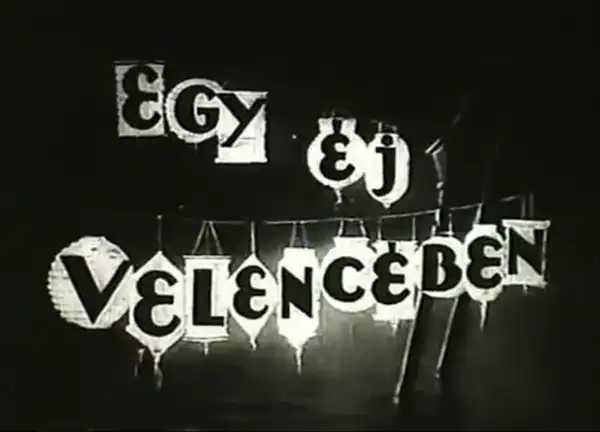
The pacing is a little weird. Some scenes in the middle feel like they go on for ages. There is a dinner scene where they just stare at each other, and you can almost hear the film rolling in the camera. It’s supposed to be tense, but it just feels like they forgot their lines for a second. 🍝
I noticed the music gets really loud whenever something 'important' happens. It’s not subtle. It’s like the movie is poking you in the ribs saying, 'Hey! This is the part where you feel sad!' It reminded me of the heavy-handedness in The Covered Trail, though with more violins and fewer horses.
Is the Count actually a gold-digger? The movie plays with that idea, but you already know the answer. It’s a 1930s comedy. They aren't going to end it with everyone being miserable and broke. Although, that would have been an interesting twist.
One thing that bugged me was the fiancé. He just kind of vanishes for huge chunks of the story. You’d think a guy whose future wife ran off to another country with a Count would be a bit more proactive. He’s less a character and more a plot device that someone left in the corner. It’s similar to how some characters just drift away in Hello Cheyenne.
The ending is exactly what you expect. It’s tidy. Too tidy? Maybe. But by the time it gets there, you’re mostly just happy to see the scenery one last time. It’s not as heavy or dark as Isterzannye dushi, thank goodness. It stays light, which is probably for the best given the thin plot.
I did find myself wondering how much they spent on the flower arrangements in the hotel scenes. They are massive. Like, distracting levels of flowers. Every table looks like it’s hosting a botanical garden. 🌸
If you like Hungarian cinema from this period, you’ll see a lot of familiar faces. The cast is like a 'who's who' of Budapest actors who were probably all friends in real life. You can feel that chemistry, even when the script is a bit clunky. It feels more like a play than a movie sometimes.
It’s not a masterpiece. It isn't trying to be. It’s just a story about a girl who didn't want to get married to a boring guy and chose a complicated guy instead. Which, honestly, is a story as old as time. Like The Mail Order Wife, it's all about the weird ways people try to find a partner.
One reaction shot of the Count towards the end lingers for so long it actually becomes funny. He just stares. And stares. I think he was waiting for a cue that never came. It’s these little imperfections that make watching these old films so much better than the polished stuff we get now.
Final thought: If you can find a version with decent subtitles, give it a go. Just don't expect it to make total sense. It’s Venice! It’s the 30s! Just go with the flow of the water. 🌊
IMDb —
1927
Community
Log in to comment.