Summary
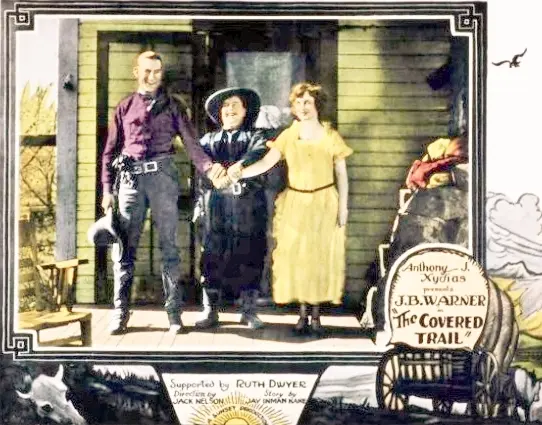
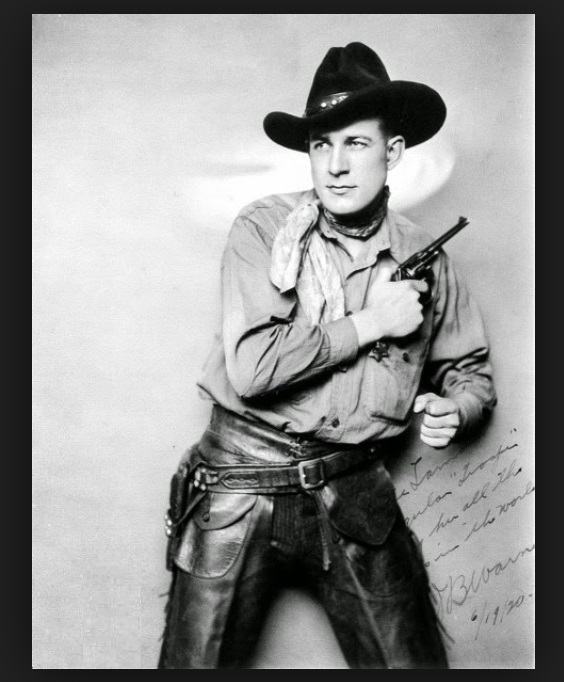
In the desolate, dust-choked expanses of the early American frontier, 'The Covered Trail' unfolds as a poignant tapestry of fraternal piety and the crushing weight of circumstantial guilt. Keats, portrayed with a rugged, melancholic intensity by J.B. Warner, traverses a precarious moral tightrope as he attempts to extricate his younger, impressionable brother from the seductive orbit of a ruthless rustling syndicate. This noble endeavor is tragically misconstrued by the local vigilantes, who perceive Keats’ proximity to the outlaws not as a rescue mission, but as active complicity. The narrative tension escalates through a series of kinetic reversals: a narrow escape from a lynch mob facilitated by Robert McKenzie’s shrewd Sheriff, a subsequent recapture, and a frantic race against time to thwart a high-stakes Wells Fargo heist. The film culminates in a somber, redemptive climax where Keats, now deputized, dismantles the gang at a staggering personal cost. The ultimate catharsis arrives not through a celebration of law, but through the visceral, deathbed confession of the wayward brother, whose final words provide a pyrrhic exoneration for the man who sacrificed his own sanctity to save a soul already lost to the shadows.
Keats (J.B. Warner) is suspected of being the member of a gang of rustlers while he is trying to save his weakling brother from their influence and keep his brother from becoming an outlaw. Keats is captured and about to be hung when the local sheriff (Robert McKenzie) frees him during a ruse. Keats is recaptured by the vigilantes and placed in jail but escapes in time to foil the outlaw gang from robbing the local Wells Fargo office. The Sheriff makes Keats his Deputy and together they capture the gang. After being mortally wounded by the gang, Keats is exonerated by his dying brother who makes a deathbed confession clearing Keats of any wrongdoing.
Review Excerpt
"
The silent Western, often dismissed by modern audiences as a primitive precursor to the technicolor epics of Ford or Peckinpah, frequently harbors a psychological complexity that belies its age. The Covered Trail (1923) is a quintessential exemplar of this hidden depth. It is a film that operates on two distinct levels: as a thrilling, dust-kicking horse opera and as a Shakespearean tragedy concerning the bonds of blood and the fickleness of public perception. At its heart lies the figure of K..."