DbcultAccessing Vault...
5.7/10
Senior Film Conservator
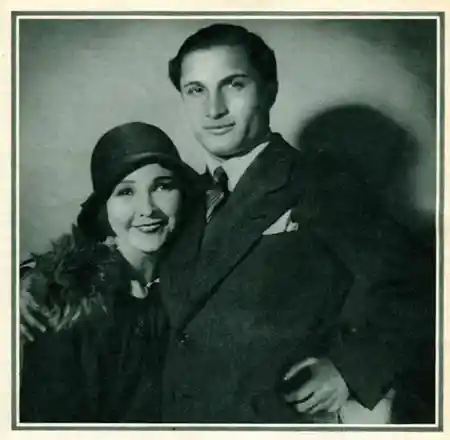
A definitive 5.7/10 rating for a film that redefined the boundaries of cult cinema. Eight Days of Happiness remains a cornerstone of transgressive art.
If you like old movies where people burst into song for no reason, yes. If you hate high-pitched tenors and plots that make zero sense, stay far away from this one.
It’s a 1930s musical about a girl named Gerda who works in a grey Berlin office. She wins a contest and suddenly she's off to Venice, which is exactly what I wish would happen to me on a Tuesday.
The movie is called Eight Days of Happiness, but it feels more like three days of singing and five days of people lying about their bank accounts. It’s light, it’s a bit silly, and the sets look like they were made of cardboard and hope.
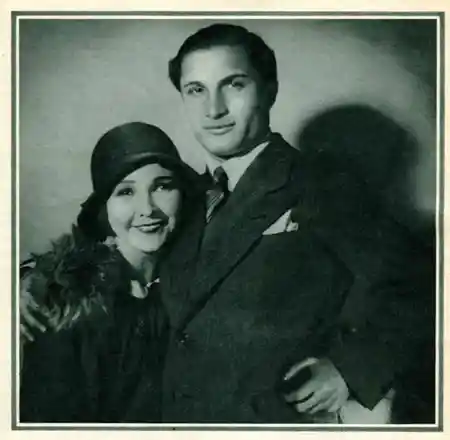
Gerda, played by Dina Gralla, is actually pretty likable. She has this very wide-eyed look that makes you believe she really thinks Venice is a magical dreamland and not just a place with a lot of pigeons.
Then we have the rich guy, played by Harry Hertzsch. He decides to pretend he is poor to win her heart, which is such a cliché even for 1931.
He takes a job as her servant or something? It’s a bit confusing why he thinks being her employee is the best way to get a date, but okay.
The real scene-stealer is Joseph Schmidt. He was a huge star back then, and boy, can he sing.
He is a tiny man with a massive voice. Every time he opens his mouth, the other actors just kind of stand there looking slightly blown away by the volume.
There is this one scene in a gondola where he starts singing and I swear the water ripples just from his vocal cords. It’s impressive, but maybe a bit much if you have a headache.
The plot gets cluttered because there is also a Count and this tenor guy both chasing Gerda. It's like a traffic jam of suitors.
I found myself wondering how she had time to actually see any sights in Venice with all these men bothering her. She’s supposed to be on vacation!
The Venice in this movie isn't the real Venice, obviously. You can tell by the way the light hits the 'water'—it looks like a giant bathtub in a studio.
But there’s something cozy about those old studio sets. It feels like a stage play that someone decided to film on a whim.
It reminded me a bit of the atmosphere in The Girl from the Marsh Croft, though that one is way more serious and less about singing typists. This is more in line with the breezy vibe of West of Broadway, where everyone is just trying to have a good time before the Great Depression really bums everyone out.
One thing that annoyed me was the editing. Sometimes a scene just cuts off right in the middle of a reaction.
Like, Gerda will look surprised, and then—bam—we are in a completely different room. It’s a bit jarring, like the editor was in a hurry to get to lunch.
Also, the clothes! The hats in this movie are ridiculous in the best way possible. They look like little architectural accidents perched on the women's heads.
The dialogue is simple, maybe too simple. They talk a lot about 'happiness' and 'fate' as if those are things you can just buy at a gift shop in Italy.
There is a funny bit with a character played by Therese Giehse. She has this very dry delivery that makes the rest of the cast look like they are trying too hard.
I liked the scenes in the Berlin office at the start more than I expected. The sound of the typewriters had a nice rhythm to it, almost like a song before the actual songs started.
It made me think of Half Way to Heaven for some reason, just that feeling of being stuck in a routine and wanting something bigger. Though that movie has way more drama and fewer gondolas.
Is the romance believable? Not really. She falls for the rich guy pretending to be poor pretty fast.
If a guy lied to me about his entire life just to 'test' my love, I’d probably throw him in the canal. But in 1931, I guess it was considered romantic.
The ending is exactly what you think it is. No surprises here.
It’s a movie that wants you to feel good and not think too much. It succeeds at that, mostly because Joseph Schmidt won’t stop singing long enough for you to think anyway.
I noticed a weird shadow in one of the hotel scenes. It looked like a boom mic or maybe just a very confused bird. Nobody seemed to care.
If you’re looking for a deep masterpiece, go watch something else. If you want to see what people thought was fancy ninety years ago, give it a look.
It’s not as polished as some of the other musicals from that era, but it has a weird, clunky heart. Sometimes that's enough for a rainy Sunday.
One more thing—the tenor's voice is really loud. Adjust your volume before he hits the high notes or your cat will freak out. Mine did. 🐈
IMDb 5.4
1930
Community
Log in to comment.