DbcultAccessing Vault...
Cult Review
Senior Film Conservator
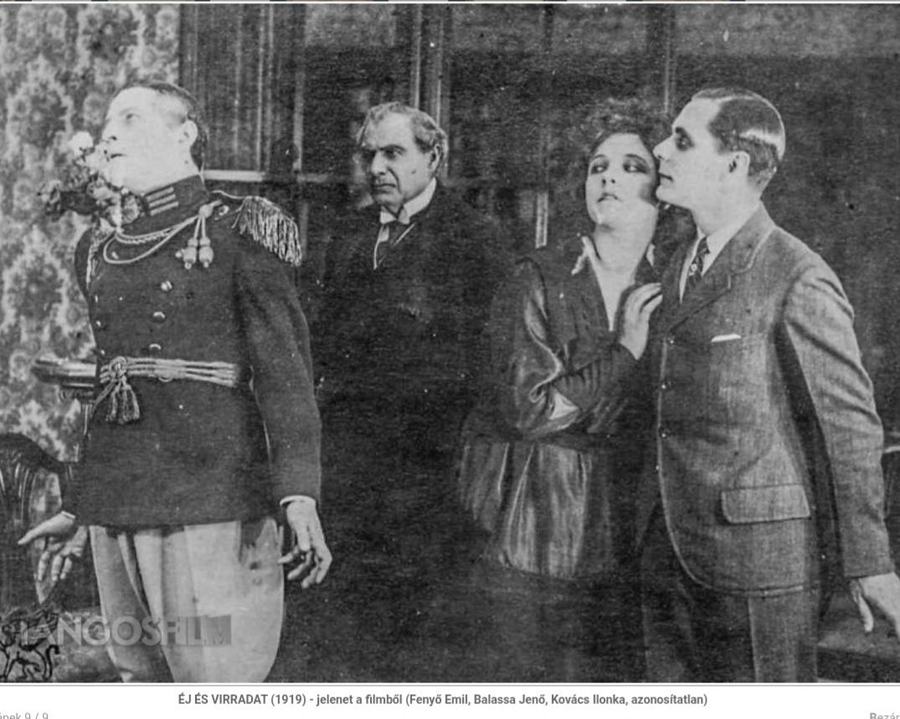
From the moment the opening frame flickers into view—a rain‑slicked cobblestone street illuminated only by the jaundiced glow of a solitary streetlamp—Éj és virradat announces its intention to be more than a period piece. It is a canvas where the chiaroscuro of Budapest’s interwar shadows mirrors the inner darkness of its protagonists. The film’s director, whose name has been lost to the annals of forgotten cinema, employs a deliberate pacing that feels both languid and urgent, a paradox that keeps the audience perpetually off‑balance.
Miklós (Gusztáv Pártos) is introduced not through exposition but via a lingering close‑up of his gaunt hands clutching a tarnished pocket watch—a relic of his father’s revolutionary past. The watch ticks in sync with the film’s metronomic rhythm, each tick a reminder of time’s inexorable march. Pártos delivers a performance that oscillates between aristocratic aloofness and raw vulnerability; his eyes, often half‑closed, suggest a man perpetually haunted by memories that refuse to be silenced.
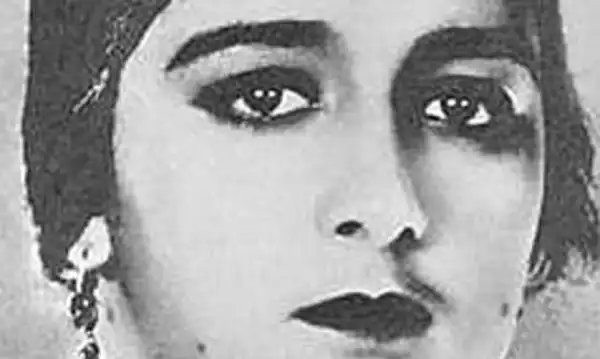
Olga Dallos’s Lili is a study in paradox. She glides through the ballroom scenes like a wraith, her movements choreographed to the mournful violin that threads through the score. Dallos’s portrayal is simultaneously seductive and tragic, a femme fatale whose allure is undercut by a palpable sense of loss. When she finally confronts Miklós at the crumbling Várhely manor, the dialogue crackles with a tension that feels rehearsed yet authentic, a testament to the script’s lyrical quality.
The film’s narrative architecture is reminiscent of the layered storytelling found in An Innocent Adventuress, where multiple perspectives converge to reveal a larger truth. Here, the investigative thread pursued by Árpád (Oszkár Dénes) provides a counterbalance to Miklós’s introspection. Dénes, a journalist with a moral compass that points true north, serves as the audience’s surrogate, asking the questions that the aristocracy refuses to confront.
The screenplay, co‑written by Ede Sas and Edward George Bulwer‑Lytton, deftly weaves historical references into personal drama. The recurring motif of the Danube—a river that both separates and unites—acts as a metaphor for the nation’s fractured identity. As Árpád uncovers documents implicating the city’s elite in a covert syndicate, the audience is reminded of the political undercurrents that defined Hungary’s interwar period.
Cinematographer László Mayer employs a palette dominated by deep blacks, muted grays, and occasional splashes of the film’s signature colors—dark orange (#C2410C), yellow (#EAB308), and sea blue (#0E7490). These hues surface sparingly: a flickering streetlamp, a sunrise glimpse over the Danube, and the amber glow of a tavern’s interior. The restrained use of color heightens emotional beats, making each burst of pigment feel like a visual exclamation point.
The editing, overseen by Emil Fenyö, favors long takes that linger just enough to let tension build without stagnating. One particularly effective sequence follows Miklós as he walks through a deserted market at night; the camera tracks him in a single, unbroken shot, the ambient sounds of distant church bells and rustling leaves amplifying his isolation.
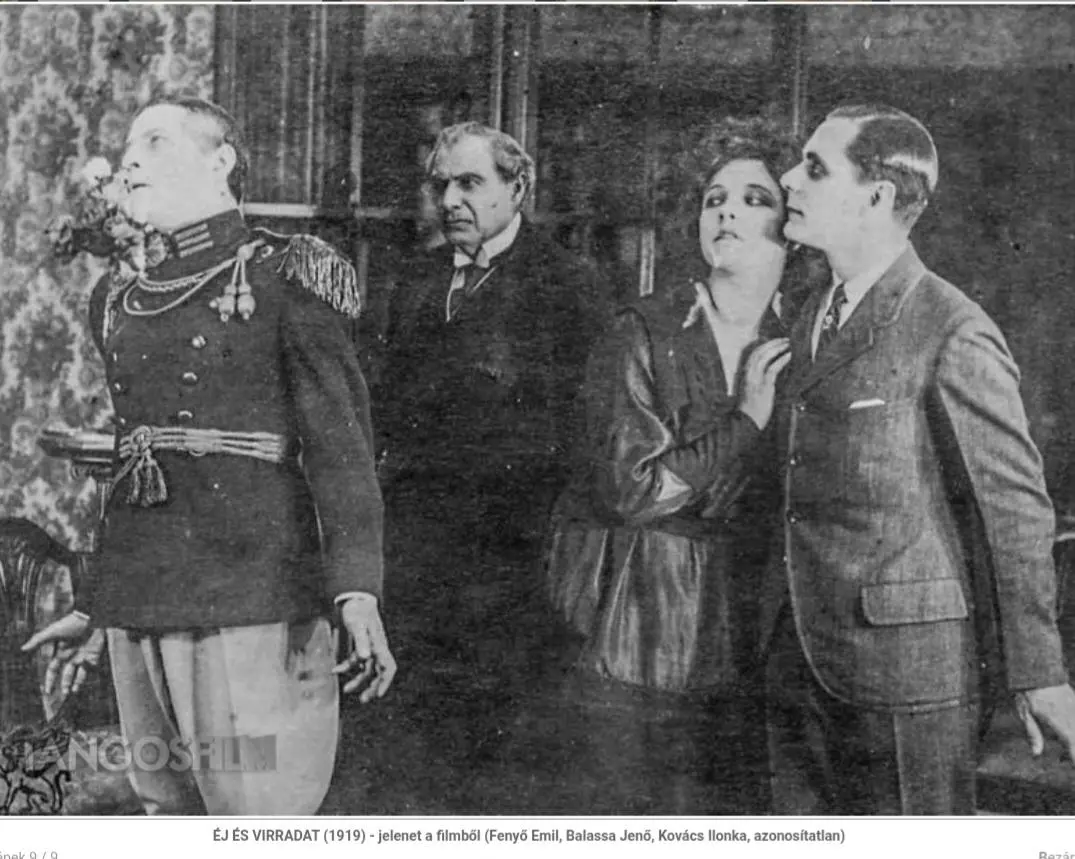
Gusztáv Pártos commands the screen with a gravitas that feels almost theatrical, yet his subtle gestures—an involuntary tremor of the lip, a fleeting glance toward an empty chair—reveal a man whose veneer of control is cracking. Olga Dallos, meanwhile, brings a lyrical quality to Lili’s dance sequences, her movements echoing the film’s underlying rhythm. Their chemistry, while never overtly romantic, is charged with an unspoken history that fuels the narrative’s emotional core.
Supporting actors such as László Mayer (the enigmatic butler), Lucy Norton (the foreign correspondent), and Jenö Balassa (the corrupt magistrate) add layers of intrigue. Norton’s crisp English accent provides an international perspective, reminding viewers that Budapest’s turmoil resonated beyond its borders.
When placed alongside contemporaneous works like The Gray Horizon and Double Trouble, Éj és virradat distinguishes itself through its unwavering commitment to atmospheric storytelling. While The Gray Horizon leans heavily on political allegory, Éj és virradat opts for a more intimate, character‑driven approach, allowing the personal to reflect the political.
The film also shares a thematic kinship with A Petal on the Current, particularly in its exploration of memory as both a burden and a beacon. Both films employ water imagery—rivers, rain, fog—to symbolize the fluidity of truth.
The haunting violin motif, composed by an anonymous Hungarian maestro, threads through the film like a mournful sigh. It swells during moments of revelation—most notably when Miklós discovers a hidden ledger detailing his father’s treasonous dealings—and recedes into a subdued hum during scenes of introspection. The sound design’s use of ambient city noises—distant tram bells, murmuring crowds—grounds the narrative in a palpable reality.
Éj és virradat operates not only as a work of art but as a historical document. Its depiction of Budapest’s aristocracy grappling with the aftermath of World War I offers insight into a society teetering between tradition and modernity. The film’s subtle critique of the elite’s complicity in corrupt dealings mirrors the broader European disillusionment of the 1930s, making it a valuable lens through which to examine the era’s sociopolitical climate.
Upon its limited release, the film garnered mixed reactions; some critics praised its visual poetry, while others found its pacing languid. Over time, however, Éj és virradat has achieved a cult status among cinephiles who appreciate its atmospheric depth and nuanced performances. Its restoration in the early 2000s, accompanied by a remastered score, has introduced it to a new generation of viewers, solidifying its place in the canon of Hungarian cinema.
Éj és virradat is a masterclass in mood, a film that rewards patience and attentive viewing. Its intricate narrative, anchored by powerful performances and a meticulously crafted visual language, invites repeated screenings. Whether one is drawn to its historical underpinnings, its haunting aesthetic, or its exploration of personal redemption, the film offers a richly layered experience that lingers long after the final frame fades to black.
IMDb —
1921
Community
Log in to comment.