DbcultAccessing Vault...
7/10
Senior Film Conservator
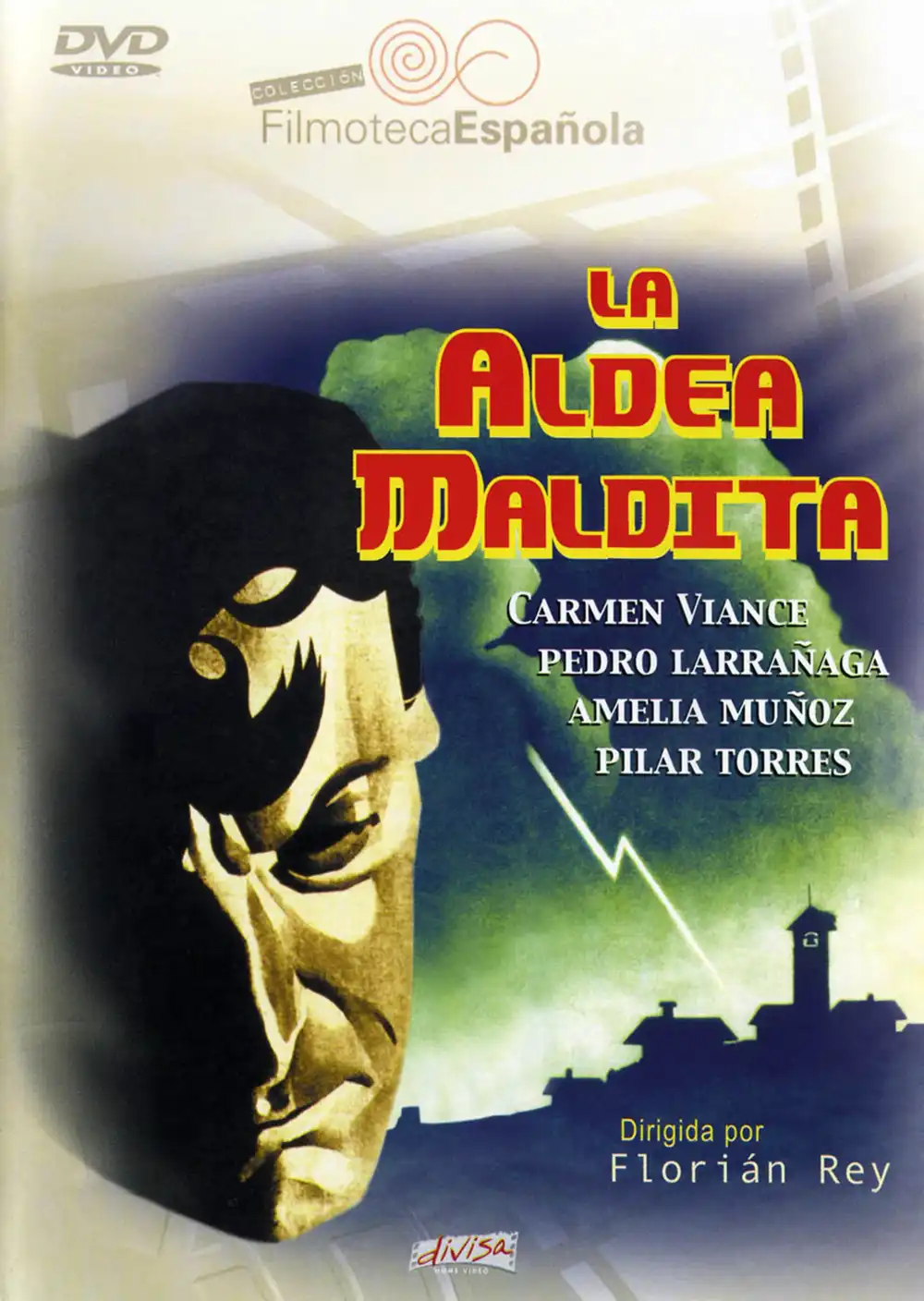
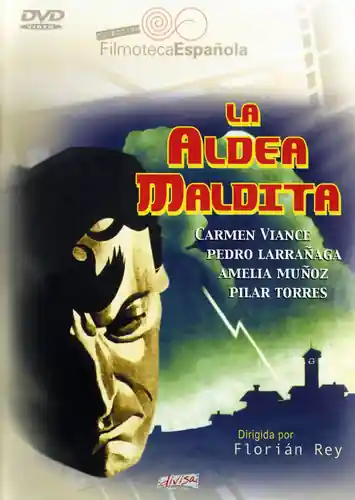
A definitive 7/10 rating for a film that redefined the boundaries of cult cinema. The Cursed Village remains a cornerstone of transgressive art.
If you want to feel good about your life, don't watch this. 🌵
Actually, let me rephrase that. Watch it if you want to see a movie that feels like it was pulled directly out of the dirt and rocks of old Spain.
It is definitely worth your time if you appreciate movies that don't try to hide how miserable life can be. If you like the heavy, dramatic vibes of Torrent, you'll find something to chew on here.
People who need explosions or fast talking will hate it. It's a silent movie, so it demands you actually *look* at the screen.
The first thing you notice is how dry everything looks. You can almost feel the grit in your eyes just watching these people stare at their ruined fields.
Juan, the main guy, looks like he’s carrying the weight of the whole world on his shoulders. He’s got this face that just screams 'I haven't had a good meal in three years.'
His wife, Acacia, is played by Carmen Viance, and she has these eyes that tell you everything she’s thinking without a single title card. She’s the one who eventually leaves for the city, and you can’t even blame her.
The village itself feels like a character. It’s empty and haunting. 🏚️
There is a scene where the villagers are all leaving, walking in a long line through the barren landscape. It isn't shot like a grand epic; it looks like a funeral procession for a whole way of life.
I have to talk about the blind father. He is played by Modesto Rivas, and he is honestly kind of terrifying.
He just sits there. Watching, but not watching. He represents the old ways, the stubbornness of staying in a place that clearly wants you dead.
There’s one moment where the light hits his face in a dark room and it’s genuinely spooky. It reminded me of some of the darker shots in The Scoffer, where the atmosphere just takes over the whole story.
The movie is very focused on honor and shame, which feels a bit dated now, but in the context of the film, it works. You feel the pressure they are under.
The costumes aren't costumes. They’re just clothes. They look like they’ve been washed in muddy water and dried in the sun for a decade.
The way the wind blows the dust around in the background of shots... I don't think that was a special effect. I think they were just filming in a really miserable place.
There’s a scene in a tavern later in the movie that feels completely different from the village. It’s crowded and loud (even though it's silent) and it feels dangerous in a totally different way than the drought did.
The pacing is a bit weird. It starts slow, then jumps forward in time, and you kind of have to scramble to keep up with where everyone ended up.
I think the ending is supposed to be hopeful? Or maybe it's just resigned. It’s hard to tell.
One reaction shot of Juan near the end lingers for a really long time. Like, five seconds too long. It makes you feel slightly awkward, but maybe that was the point.
Florián Rey, the director, really knew how to use shadows. Some of the indoor scenes look like paintings by Ribera or something. 🎨
It’s not a perfect movie. Some of the moralizing about 'sinful' women is a bit much to take today. It’s very 1930s in that way.
But the raw emotion is there. It’s much more 'real' than something like Captivating Mary Carstairs, which feels like a toy in comparison.
If you're bored on a Sunday and want to see some top-tier Spanish silent cinema, give it a go. Just have a drink ready, because the movie is very, very thirsty.
It’s a tough watch, but a good one. 📽️
IMDb 6.3
1917
Community
Log in to comment.