
DbcultAccessing Vault...
7.3/10
Senior Film Conservator
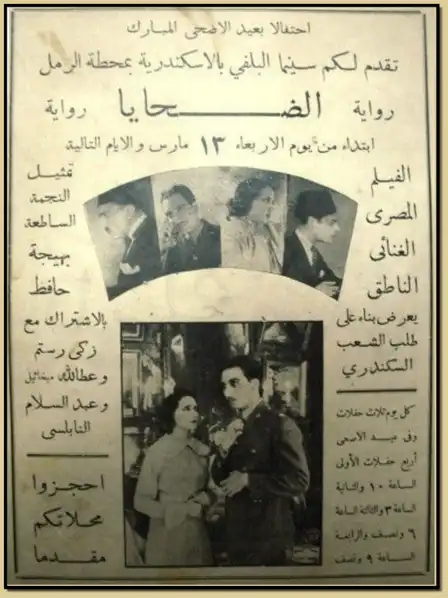
A definitive 7.3/10 rating for a film that redefined the boundaries of cult cinema. El dahya remains a cornerstone of transgressive art.
Honestly, it depends on how much patience you have for 1940s cinema. If you like your movies dripping with emotional weight and don’t mind that the film stock looks like it’s been through a few wars, go for it. People who need constant action or sharp, quick edits will probably hate it within ten minutes.
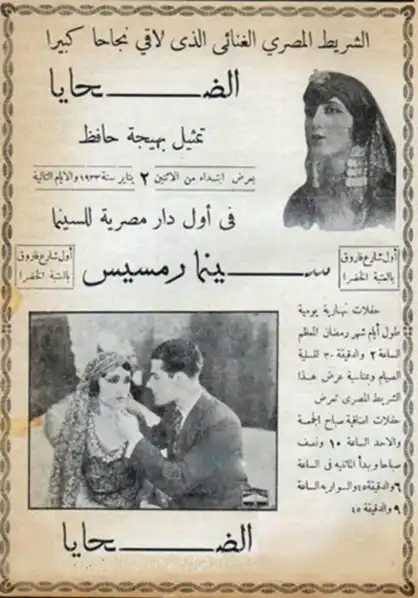
Laila Mourad is the gravity here. Everything in the frame seems to orbit around her face.
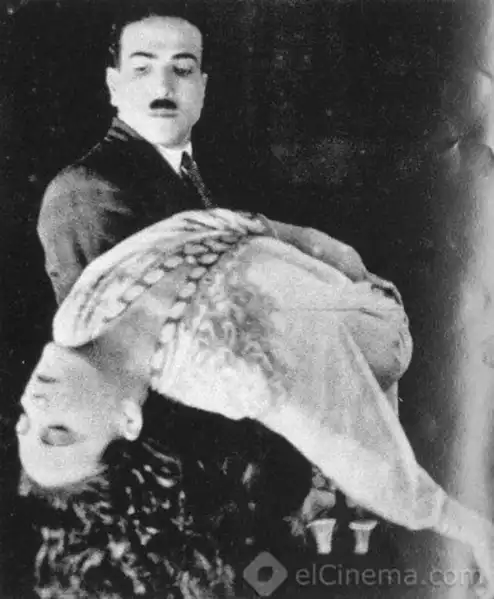
There’s a specific scene where Zaki Rostom is talking, and the camera just refuses to cut away. It lingers on his face until you start noticing the weird shadow under his eye and the way he barely blinks. It felt almost uncomfortable, like I was eavesdropping on a conversation I wasn't invited to. That’s the kind of thing that makes a movie feel real, right?
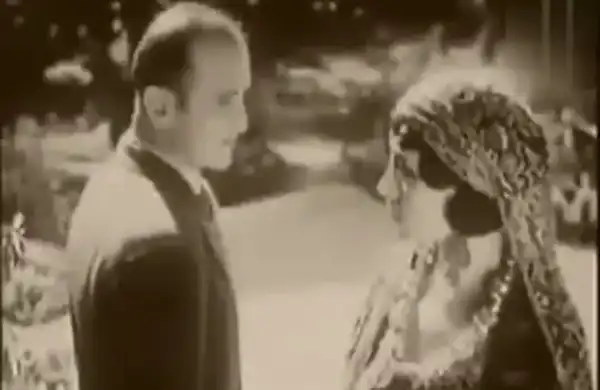
The dialogue moves at a pace that feels like a slow, heavy carriage ride. It’s not poetic, but it hits hard when it wants to.
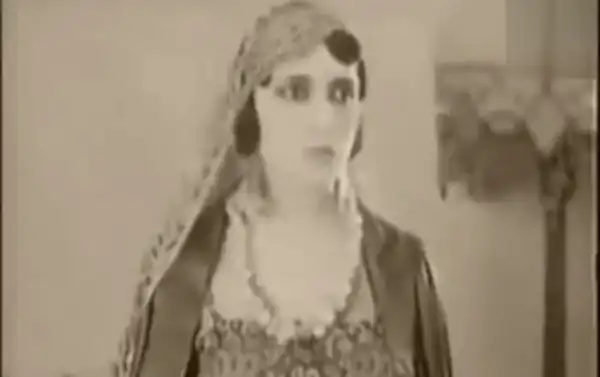
Watching this, I couldn't help but think about how different the energy is compared to something like Extravagance. While that one feels like it’s rushing to get to the party, El dahya is content to sit in the corner and nurse a grudge for two hours. It’s a different kind of intensity.
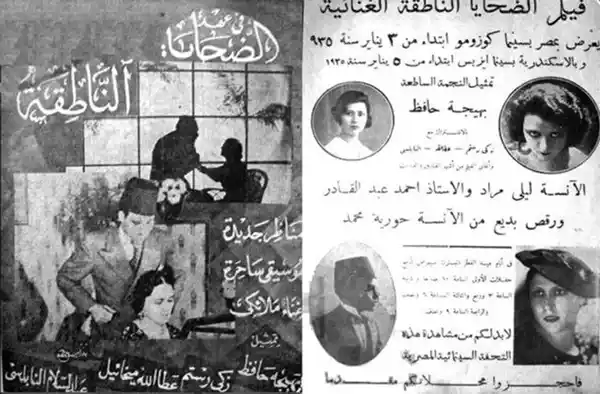
I caught myself getting distracted by the patterns on the wallpaper in one shot. It’s faded, peeling slightly in the corner. Nobody probably noticed it during filming, but it adds this strange, grounded texture to the room. It makes the drama feel like it’s happening in a real house, not just a set piece.
It’s an imperfect watch. There are moments where the plot feels like it’s running in circles, just looking for an exit. But then Laila does something subtle with her hands, or a line of dialogue lands with a thud, and I’m back in it. Not a perfect film, but it definitely has a pulse.