DbcultAccessing Vault...
7.2/10
Senior Film Conservator
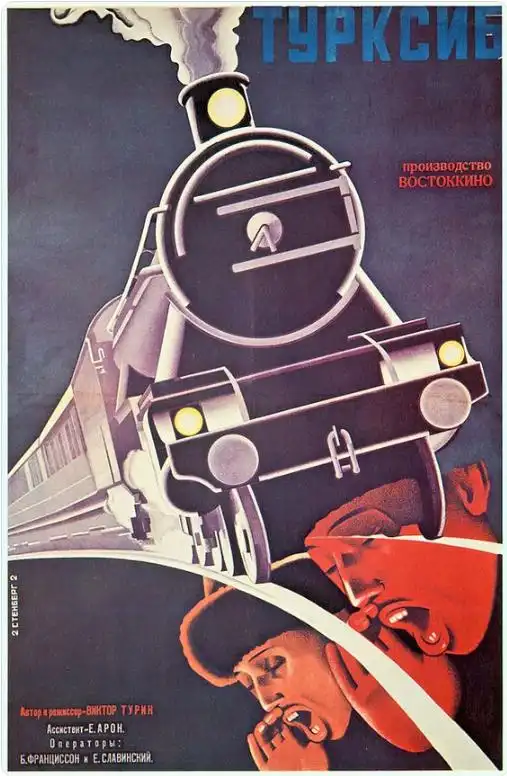
A definitive 7.2/10 rating for a film that redefined the boundaries of cult cinema. Turksib remains a cornerstone of transgressive art.
If you have about an hour and want to feel like you’ve actually done something with your day, put on Turksib.
It is a silent movie from 1929 about building a railroad.
That sounds boring as hell, I know.
People who like fast editing and seeing how things actually work will dig this.
If you need a romantic subplot or a hero to cheer for, you are probably going to hate it.
There are no actors here, just people who look like they’ve never seen a camera before in their lives.
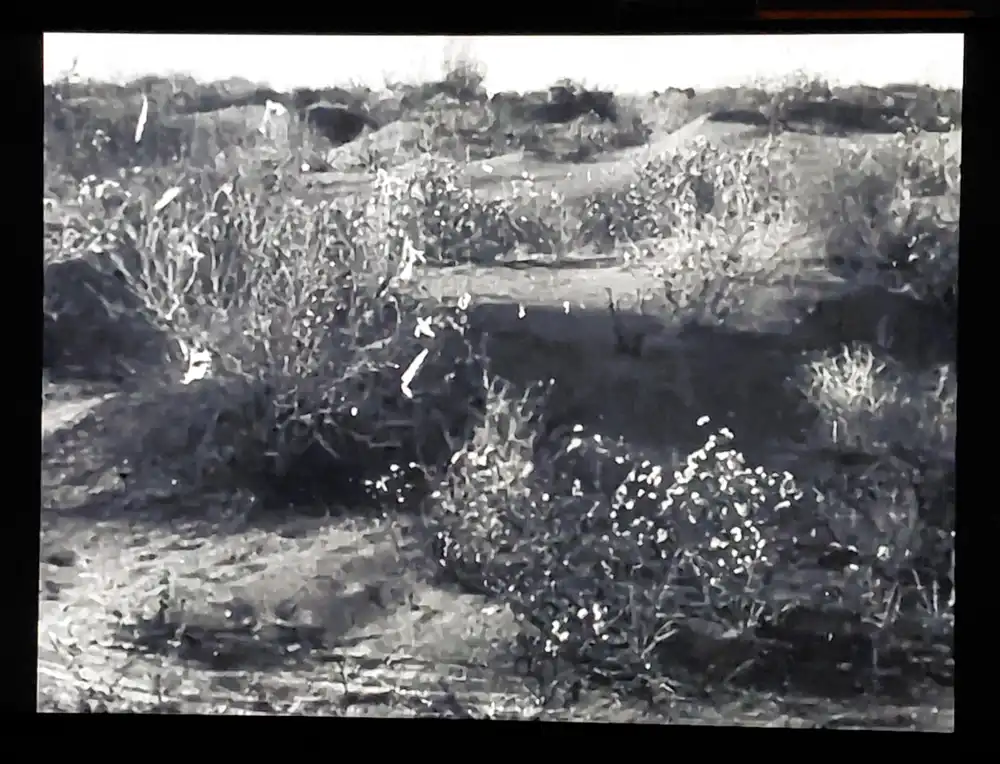
The movie starts out in the desert, and man, you can almost feel the grit in your teeth.
It’s all about the heat and the lack of water.
There is this one shot of a guy drinking from a leather bag that makes me want to chug a gallon of water immediately.
The editing is what really gets you, though.
It’s like the director, Victor Turin, was trying to make the sand dunes look like they were attacking the workers.
I read somewhere that Turin spent some time in Hollywood before making this, and you can tell.
It doesn't feel like a stuffy history lesson.
It feels more like an action movie where the villain is just geography.
Then you get to the camels.
There are so many camels in this movie.
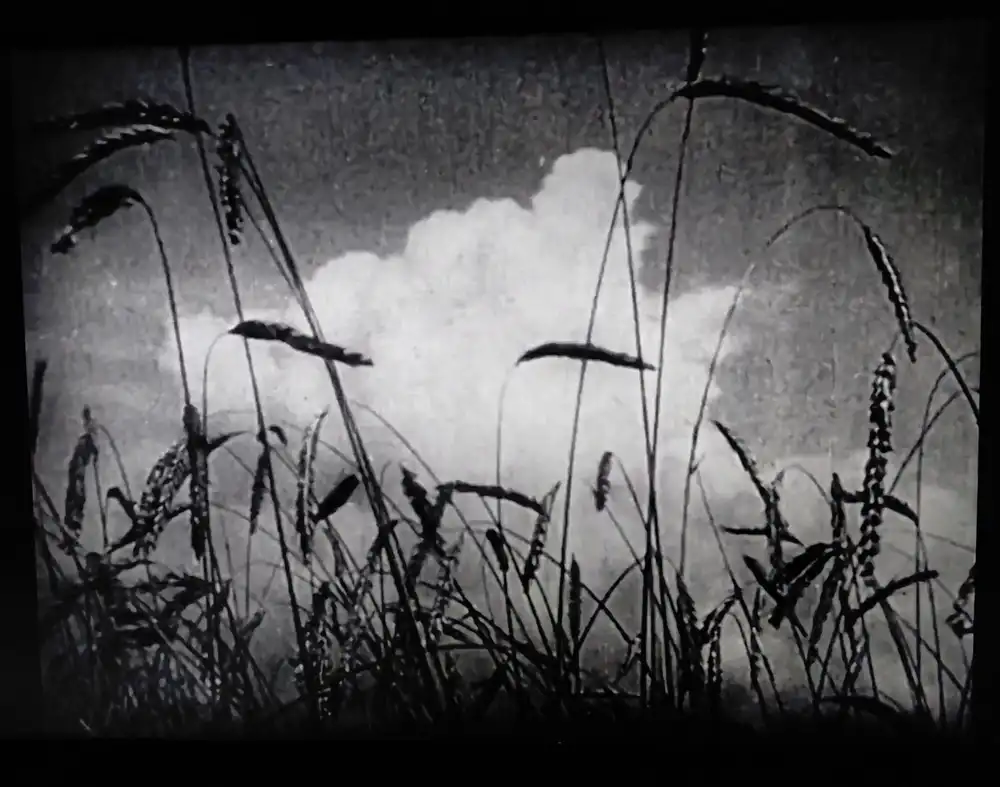
They look completely unimpressed by the Soviet industrial revolution.
One camel just stares at the lens for a second too long, and it’s honestly the most relatable performance in the whole film.
The movie does this thing with maps that I actually really liked.
Usually, maps in old movies are just flat drawings, but here they move and pulse.
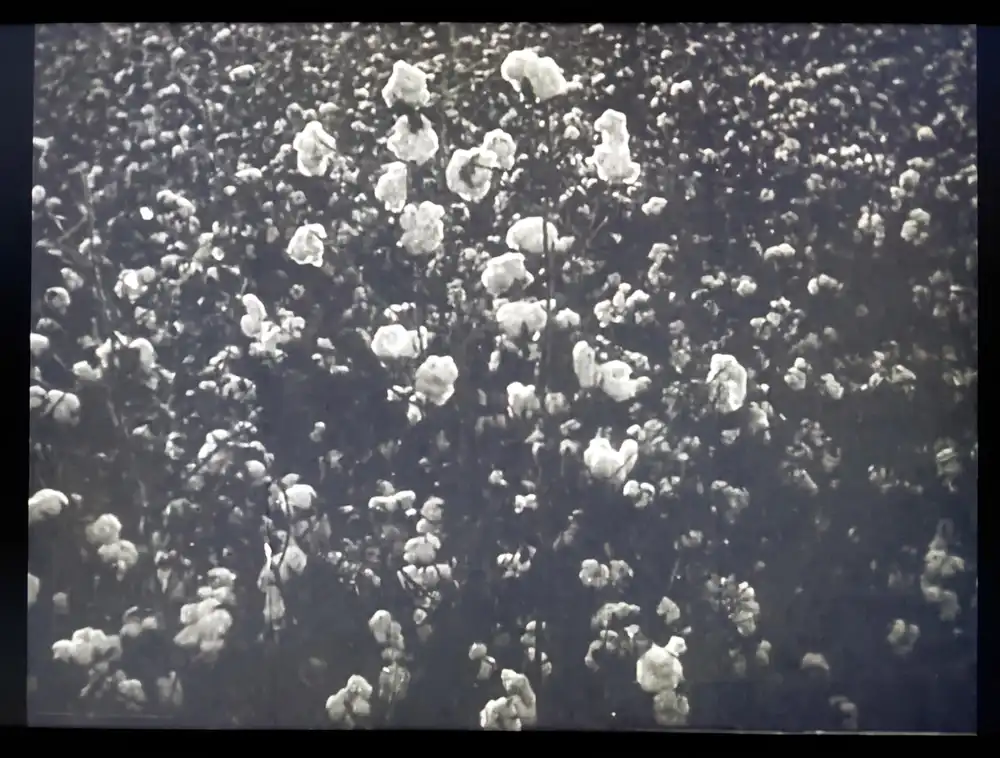
It shows the cotton from the south needing to get to the grain in the north.
It’s like watching a giant puzzle being solved with shovels and dynamite.
There’s a part where they start blasting the rock, and the screen just fills with smoke and debris.
It’s much more visceral than The Bottom of the Sea, which felt a bit more detached to me.
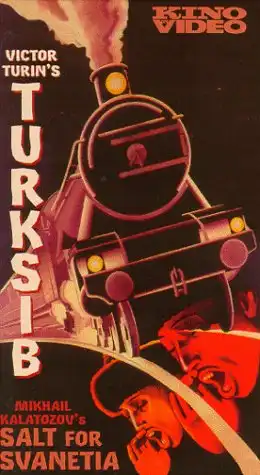
You can tell the people making this were genuinely excited about the train.
When the first locomotive finally shows up, the editing goes absolutely nuts.
The wheels turning, the steam blowing, the faces of the locals watching this metal monster roll in.
It’s loud, even though it’s a silent movie.
Your brain just fills in the screeching of the metal.
Some of the shots are a bit shaky, but that’s fine.
It makes it feel like the cameraman was barely dodging the construction equipment.
It reminded me a little of the energy in The Savage, but way more focused on the work itself.
The middle part drags just a tiny bit when they get into the snowy mountains.
I think I just prefer the desert scenes because the lighting was better.
But seeing them lay tracks over frozen ground is still pretty wild to look at.
There’s no CGI, obviously.
If you see a giant rock falling, it’s actually a giant rock falling.
I kept thinking about how many people probably got hurt making this.
The movie doesn't really mention that, of course.
It’s a propaganda piece at the end of the day, so everything has to look like a triumph.
But you can see the exhaustion on the workers' faces.
That’s the stuff you can’t fake with a script.
It’s weirdly short, too.
It doesn't overstay its welcome like some modern documentaries that take three hours to say nothing.
Turksib just gets in, shows you some incredible footage of a world that doesn't exist anymore, and leaves.
I think my favorite part was the sequence with the water pipes.
The way the water finally hits the dry earth looks like a miracle.
It’s beautiful in a very raw, unpolished way.
If you’re tired of movies where everything looks like it was made in a computer, give this a shot.
It’s just dirt and iron and people trying to survive.
I’m probably going to watch it again next week just to see the camels.
Anyway, it’s worth your time if you want something that feels real.

IMDb 5.9
1927
Community
Log in to comment.