DbcultAccessing Vault...
Cult Review
Senior Film Conservator
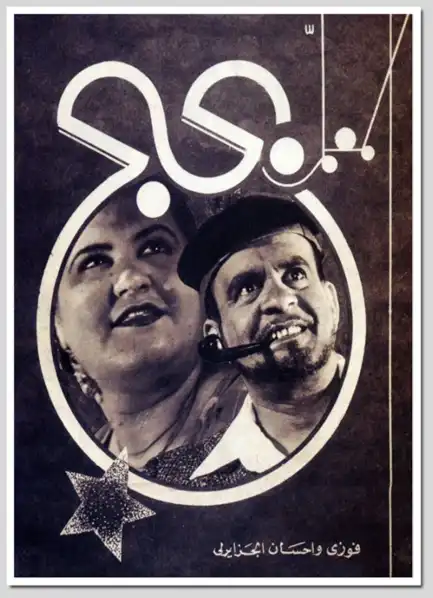
Honestly, only if you have a real soft spot for early cinema or you’re deep-diving into Egyptian film history. If you need crisp editing or a plot that makes sense, stay away. This is for the curious souls who want to see where the DNA of local comedy started.
It feels like a play recorded on a shoestring budget. The sets look like they might tip over if someone sneezes too hard. Honestly, I found that charming, but I know some people will just see a mess.
Fawzi El Gazaerli is a trip. He carries this specific energy that reminds me a bit of the frantic pacing in Merton of the Movies, where the comedy comes more from the sheer effort of the performer than the script itself.
There is a scene near the middle—I won't spoil it, but it involves a chair and some very confused shouting—that goes on for a solid three minutes longer than it should. The silence between the gags starts to feel heavy. It’s almost painfully awkward. I actually laughed at the silence, not the joke.
Watching this made me think about how much we overthink modern comedy. Here, everything is just loud and broad. It lacks the punchy rhythm of something like The Katnips of 1940, but there is a strange heart to it. You can tell they were having a blast, even if the camera work is basically just 'point it at the people talking and hope for the best.'
It’s not a masterpiece. It’s not even really a 'good' movie by any standard metric. But it’s a time capsule. Just don't go in expecting a polished experience. Take it for what it is: a grainy, loud, and weirdly lovable snapshot of a different era. 🎞️
Year
1936
IMDb Rating
—

Editorial
Deciphering the legacy of transgressive cult cinema.
Community
Log in to comment.