DbcultAccessing Vault...
Cult Review
Senior Film Conservator
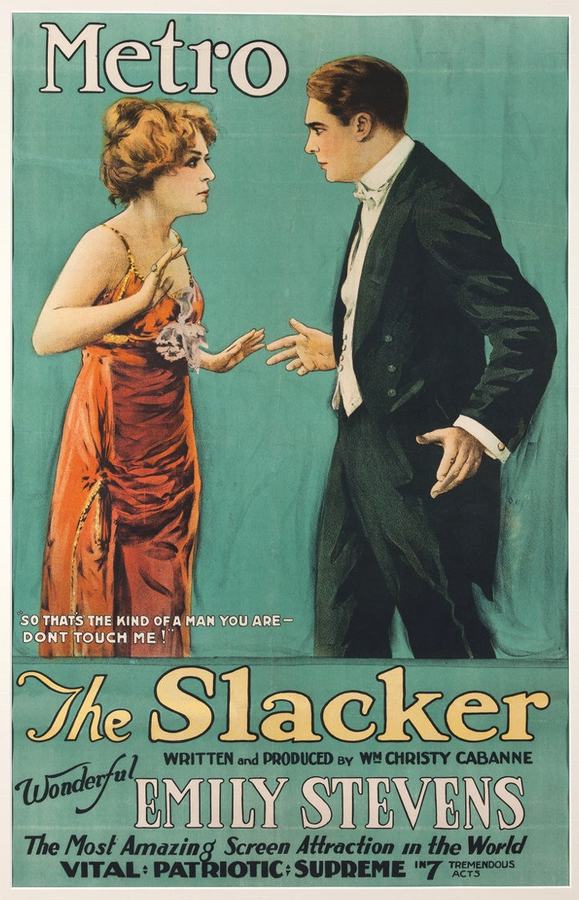
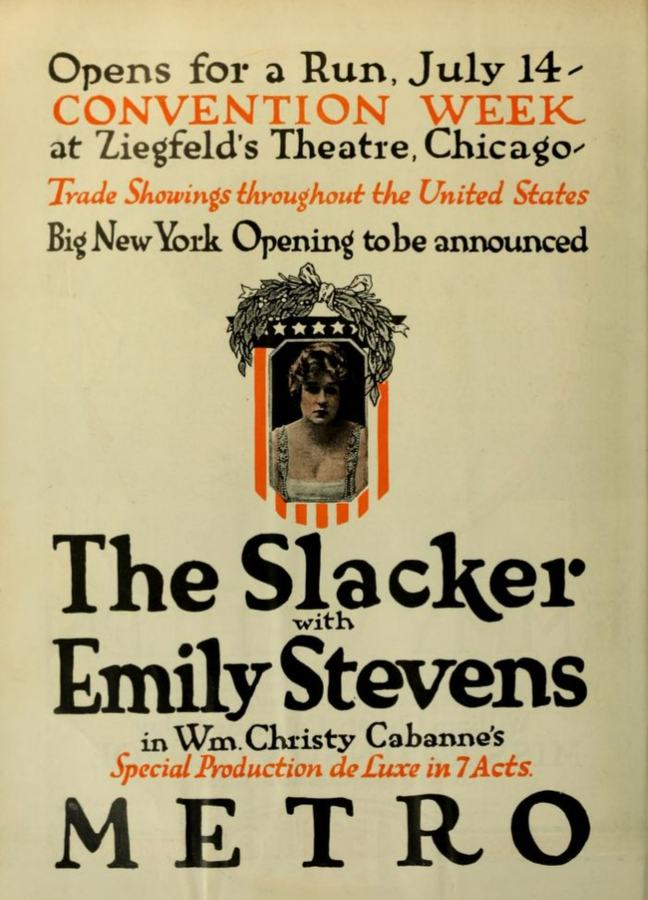
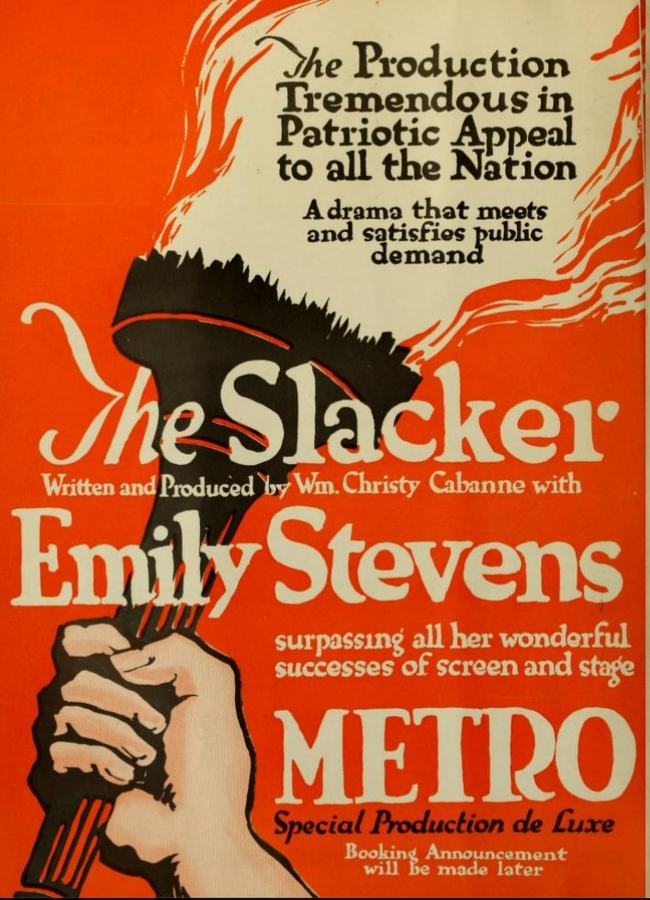
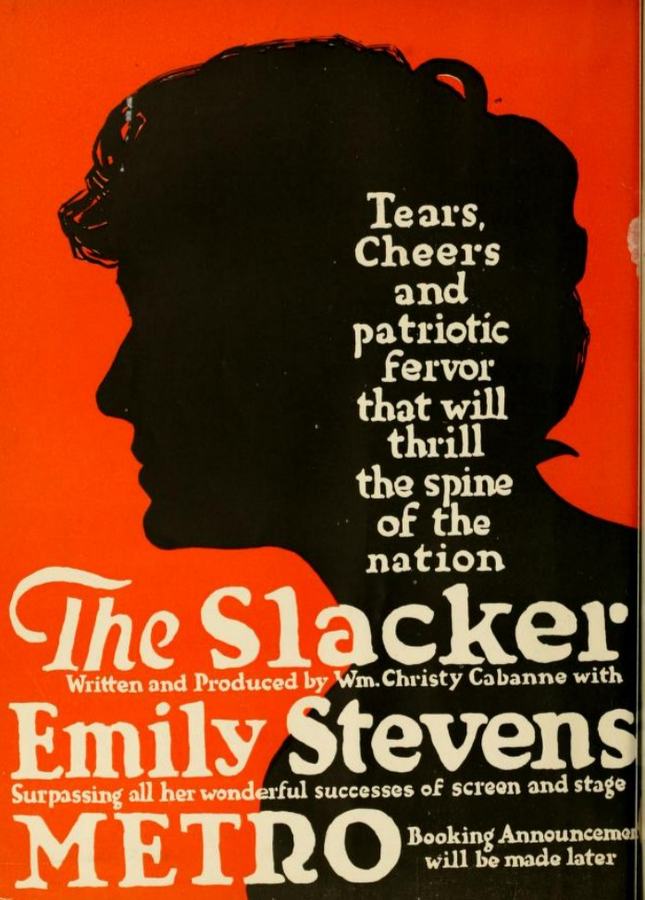
Stepping into the flickering glow of early 20th-century cinema, one often finds narratives that, despite their age and the constraints of their medium, resonate with surprising contemporary force. Christy Cabanne's The Slacker, a cinematic artifact from 1917, is precisely such a film. It’s a compelling, albeit melodramatic, exploration of patriotism, personal responsibility, and the transformative power of conviction in the crucible of wartime. This isn't just a quaint historical curiosity; it’s a robust piece of social commentary, reflecting the anxieties and fervent nationalistic spirit gripping America as it plunged into the Great War.
At its core, The Slacker delves into a deeply human, if somewhat archetypal, conflict: the struggle between self-interest and civic duty. Robert Wallace, portrayed with what one imagines to be a blend of entitled languor and eventual earnestness, is introduced as the quintessential dilettante. Born into the cushioned embrace of a wealthy, overly indulgent paternal figure, Robert has, until the narrative's inciting incident, navigated life as if it were a perpetual holiday. The impending call to arms, however, casts a shadow over his idyllic existence, threatening to disrupt his carefully constructed world of ease. His solution, born of privilege and a distinct lack of moral fortitude, is to orchestrate a hasty marriage to Margaret Christy, a woman whose very essence is antithetical to his own apathy. Margaret, a beacon of spirited patriotism, embodies the nationalistic fervor of the era, her every fiber attuned to the urgent demands of her country.
The film truly ignites when Margaret uncovers the ignoble truth behind Robert's hurried proposal. The realization that her marriage is a mere shield, a cynical ploy to circumvent his patriotic obligations, strikes her with the force of a thunderbolt. Her initial shock and profound revulsion swiftly transmute into a steely resolve. Margaret, far from being a passive victim of circumstance, emerges as the narrative's moral compass and its primary agent of change. Her mission becomes clear: to dismantle Robert's self-serving worldview and instill within him an understanding of his personal responsibility to both his nation and himself. It's a fascinating inversion of traditional gender roles for the period, where the woman, often relegated to the domestic sphere, actively undertakes the moral instruction of her husband, pushing him towards a path of valor and sacrifice.
Margaret's strategy is both audacious and psychologically astute. She employs the specter of John Harding, a man of unimpeachable character and unwavering patriotism, as a potent counterpoint to Robert's perceived deficiencies. Harding, who willingly forewent his own affections for Margaret to answer the call of duty, represents the ideal of self-sacrifice that Robert so conspicuously lacks. This constant, almost relentless, comparison is designed to prick Robert's conscience, to chip away at his complacency, and to awaken a sense of shame that might, ultimately, blossom into genuine patriotism. The dynamics here are complex; it’s not merely about shaming, but about creating a moral crisis that forces introspection. This narrative device, using a 'good' rival to spur the protagonist, can be seen in other films of the era exploring moral dilemmas, though perhaps less overtly than Margaret's deliberate manipulation here.
Naturally, Robert initially recoils from Margaret's persistent, almost relentless, campaign. His protests, likely conveyed through agitated gestures and anguished intertitles, underscore his internal conflict—the discomfort of having his moral failings laid bare. But Margaret, unyielding in her conviction, delivers a scathing accusation, branding him a 'contemptible coward.' This pivotal moment serves as a direct challenge to Robert's very identity, a blow to his masculine pride that, while intended to wound, simultaneously lays the groundwork for his eventual transformation. It’s a stark example of the melodramatic intensity prevalent in silent cinema, where emotions are writ large to convey complex internal states without spoken dialogue.
The catalyst for Robert's ultimate metamorphosis arrives in an unexpected, yet profoundly symbolic, incident. The public insult of the American flag by a German national acts as a stark, visceral affront. This is not a personal slight, but an attack on the very emblem of his nation, a direct challenge to the collective identity that Robert has so far eschewed. In this moment, something fundamental shifts within him. His previously dormant sense of justice, perhaps long suppressed by his privileged existence, erupts with unexpected force. He doesn't merely observe; he acts, compelling the offender to salute the flag. This single act, charged with patriotic symbolism, marks his definitive break from his past self. It is a public declaration of his allegiance, a tangible manifestation of the principles Margaret has so tirelessly striven to instill.
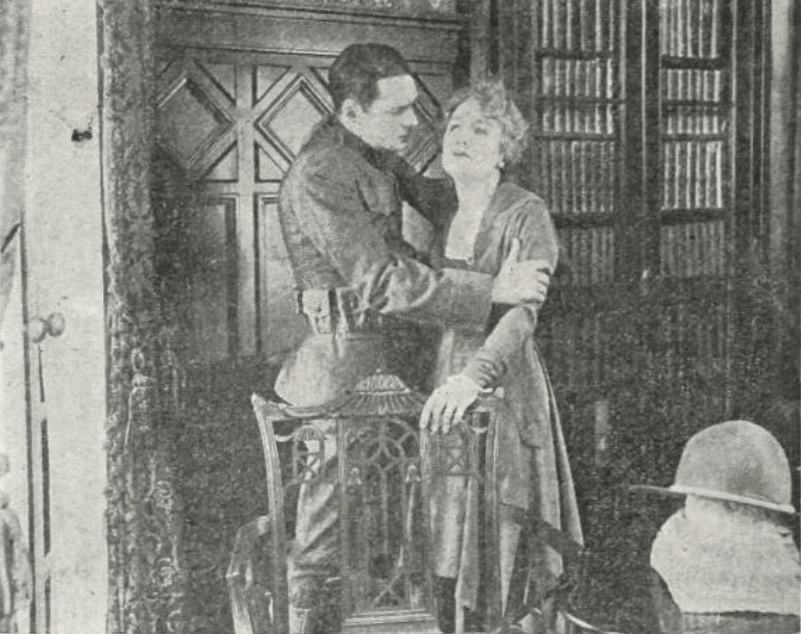
With his sense of purpose now irrevocably forged, Robert bids Margaret a heartfelt farewell, embarking on his journey to war. This departure is imbued with a poignant gravity, signifying not just a physical separation but the culmination of a profound personal and moral evolution. The Robert who marches off to battle is a world away from the self-serving 'slacker' who sought to evade his duty. Yet, the film reserves its most profound moment of sacrifice for Margaret. As she watches her transformed husband leave, she carries a secret burden: she is pregnant. Her decision to withhold this information, to allow Robert to depart unencumbered by domestic concerns, is a breathtaking act of selflessness. It underscores the profound depth of her patriotism, demonstrating her willingness to sacrifice her personal welfare, her immediate joy, and indeed, the very future of her family, for the greater good of her country. This silent, unspoken sacrifice elevates Margaret to a heroic status, solidifying her as the true moral anchor of the narrative.
The portrayal of characters, especially in silent films, relies heavily on exaggerated expressions, body language, and the effectiveness of intertitles. Emily Stevens, as Margaret, would have had to convey a complex range of emotions—disappointment, anger, determination, and finally, stoic sacrifice—with subtle shifts in her gaze and posture. Her character is a powerful representation of the women left behind, whose quiet strength and resolve underpinned the war effort. Similarly, Leo Delaney, in the role of Robert, would have needed to master the art of portraying a gradual, yet profound, character arc, transitioning from indolence to awakened heroism. The success of such a transformation hinges on the actor's ability to make the audience believe in the internal shift, even without the aid of dialogue.
Cabanne’s direction, typical of the period, likely employed a straightforward, linear narrative, focusing on clear character motivations and dramatic confrontations. The visual storytelling would have been paramount, utilizing close-ups for emotional emphasis and wider shots to establish the setting and the social context. The absence of spoken dialogue meant that every gesture, every facial contortion, and every carefully crafted intertitle had to carry significant narrative weight. The film's message, while overtly patriotic, also delves into the more nuanced aspects of personal growth and the forging of character under duress. It’s a testament to the power of a single individual to influence another, and to the profound impact of national events on personal lives.
The themes explored in The Slacker were not unique to its time. The idea of personal redemption through service, the awakening of a dormant conscience, and the sacrifice of individual desires for the collective good are recurring motifs in cinema. One might draw parallels to films like Greater Love Hath No Man, which also explores profound acts of selflessness, albeit in a different context. The film's exploration of propaganda and the moral imperative of war service is also echoed in other contemporary works, such as The End of the Road, which often depicted the devastating consequences of inaction or moral laxity. These films served not just as entertainment, but as moral instruction, shaping public opinion and reinforcing societal values during a time of immense national upheaval.
The Slacker is undeniably a product of its specific historical moment. Released when America was mobilizing for World War I, it functions as both entertainment and a powerful piece of pro-war propaganda. It champions the values of duty, courage, and national pride, subtly (or perhaps not so subtly) urging its audience to embrace military service and condemn those who shirked their responsibilities. The film's portrayal of the German character, while brief, hints at the prevalent xenophobia and demonization of the enemy common in wartime narratives. Yet, beneath this overt political messaging, there lies a timeless narrative about human transformation. Robert's journey from indolence to heroism is a classic redemption arc, one that continues to resonate across generations.
The film's exploration of gender roles is also noteworthy. While Margaret's ultimate sacrifice aligns with traditional notions of female selflessness, her initial agency in challenging and transforming her husband is remarkably progressive for the era. She is not merely a supportive wife but a proactive force for moral good, a figure of strength and conviction. This dynamic offers a fascinating glimpse into the evolving perceptions of women's roles during a period when they were increasingly stepping into public life and advocating for greater social and political rights. Her character, in a way, mirrors the burgeoning spirit of female empowerment, even as her final act of sacrifice reinforces certain expectations of maternal and national devotion.
In conclusion, The Slacker, despite its age and the inherent limitations of silent cinema, remains a compelling and historically significant work. It serves as a vivid cinematic window into the moral fabric of America during World War I, offering a nuanced look at the pressures of patriotism, the complexities of personal duty, and the profound capacity for human transformation. It reminds us that even in the most straightforward narratives, there are layers of social commentary and emotional depth waiting to be discovered. This is a film that, far from being a mere relic, offers enduring insights into the human condition, challenging us to consider our own responsibilities in times of national crisis and the quiet power of individual courage.

IMDb —
1930
Community
Log in to comment.