DbcultAccessing Vault...
Cult Review
Senior Film Conservator
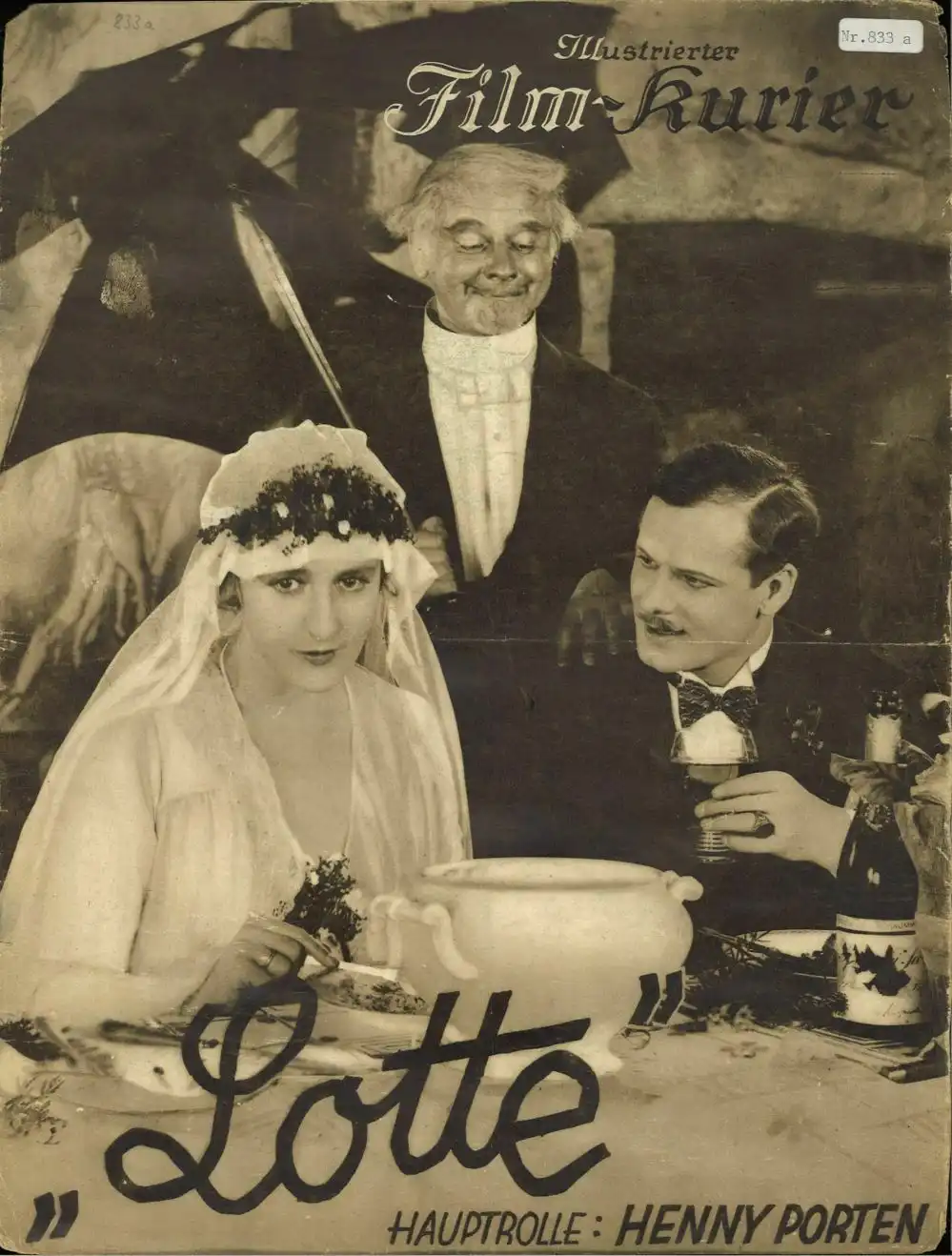
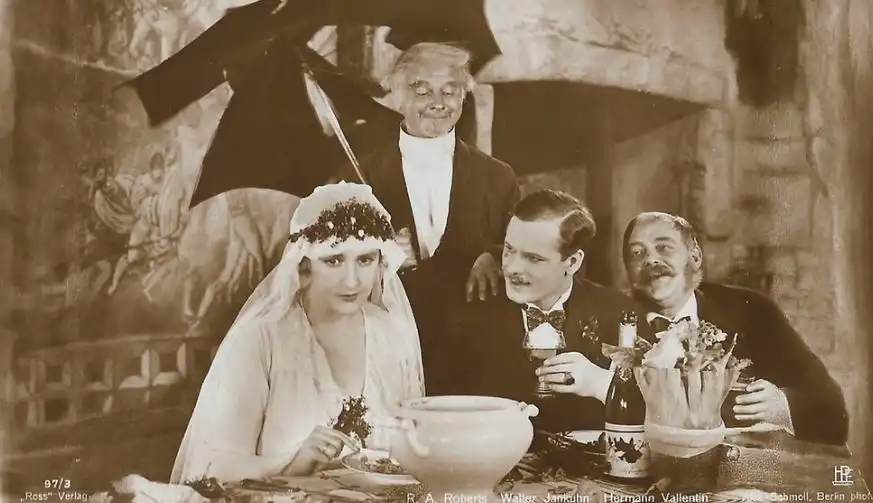
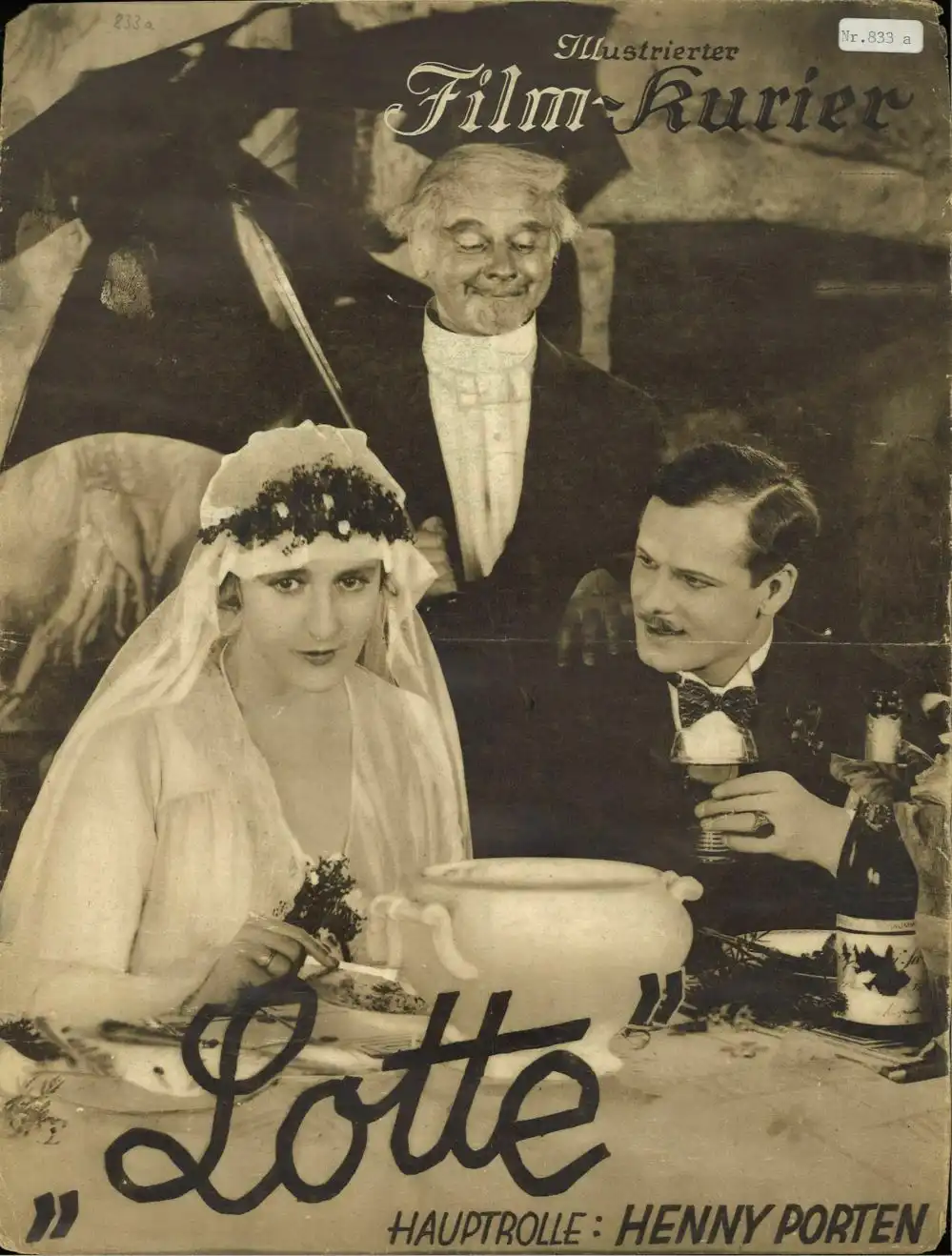
If you’re coming to Lotte expecting the sharp, jagged edges of German Expressionism or some high-concept visual experiment, you’re going to be disappointed. This is a Henny Porten movie. That means it’s built entirely around her face, her reactions, and that specific way she has of looking both totally overwhelmed and completely in control of a scene at the same time. It’s worth watching if you have a soft spot for 1920s domestic dramas that don’t try too hard to be 'cinema' with a capital C. If you find silent-era sentimentality a chore, you’ll probably be checking your watch by the second act.
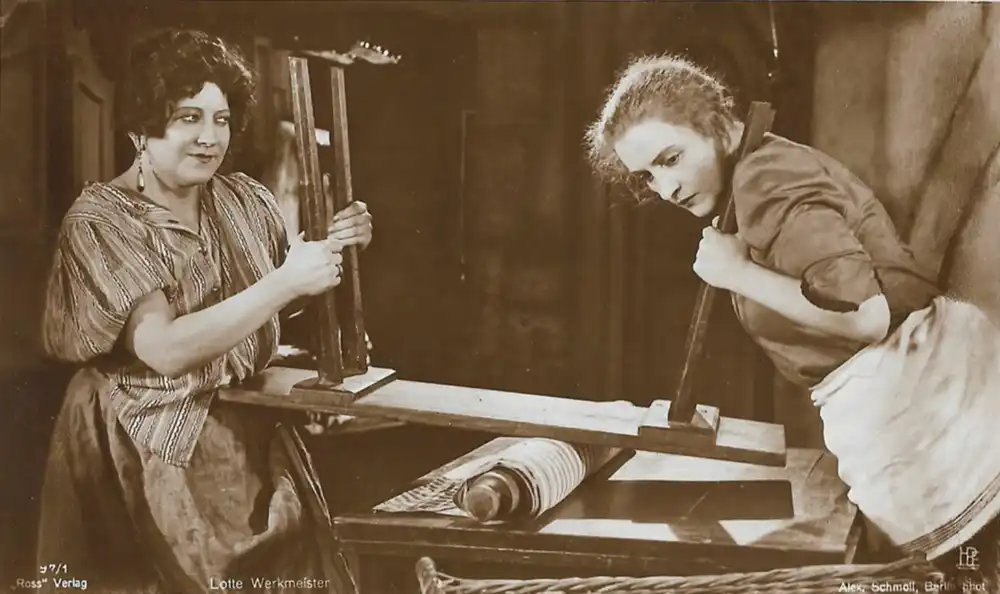
The first thing that struck me was the lighting in the opening kitchen scenes. It’s not flashy, but there’s a warmth to it that feels real, almost lived-in. You can see the steam, or at least you feel like you can. Henny Porten moves through these spaces with a heavy-set grace. She isn't one of those ethereal, waif-like silent stars; she feels like a person who actually eats and works. There’s a moment where she’s handling some dishes and she pauses just a second too long, looking at her hands—it’s a tiny beat, probably not even in the script, but it makes the character feel grounded before the plot starts throwing high-society nonsense at her.
Then there is Adele Sandrock. Every time she appears, the movie gets about 20% more interesting. She has this way of tilting her head and lowering her eyelids that makes everyone else in the frame look like they’re overacting. Her chemistry with Porten is the only thing that keeps the middle section of the film from collapsing into a heap of repetitive intertitles. There’s a scene where they’re sitting across from each other at a small table, and the power dynamic shifts just through the way Sandrock moves her coffee cup. It’s great stuff.
The pacing is where things get a bit messy. There’s a sequence involving a letter—because there’s always a letter in these movies—that goes on for what feels like an eternity. We see the letter being written, we see the letter being carried, we see the person waiting for the letter, and then we see the letter being read. It’s a lot. It reminded me of the structural drag in The Other's Sins, where you just want the editor to take a pair of scissors to the film and move things along. It feels like the director was too enamored with the set decoration to let the scene end.
Ralph Arthur Roberts is... fine. He does the aristocratic bumbling thing well enough, but his performance feels like it belongs in a different movie. It’s a bit too broad, a bit too 'stagey.' When he tries to look surprised, his eyes go so wide it’s almost comical in a way that breaks the mood. It’s a stark contrast to Porten, who is doing much more subtle work with her mouth and shoulders. It’s a weird tonal clash that you see sometimes in these late-20s silents, like the actors were trained in two completely different schools of thought. I saw a similar clash in Paradise for Two, where the lead seems to be in a slapstick comedy while everyone else is in a melodrama.
The costumes for the high-society party are oddly distracting. Some of the extras look like they were pulled off the street and shoved into whatever was in the costume rack. One woman in the background of the ballroom scene is wearing a hat that looks like a collapsed bird's nest, and I found myself staring at her for three minutes instead of listening to the 'important' conversation happening in the foreground. It’s those little details—the slightly ill-fitting suits, the way the carpet bunches up under a chair—that make these old films feel human to me. They aren't perfect, polished artifacts.
There’s a shot toward the end, a close-up of Porten looking out a window, where the film stock seems a bit grainier than the rest. It’s a beautiful, lonely image. The way the light catches the side of her face makes her look much older and more tired than she did at the start of the film. It’s one of those moments where the movie stops trying to be a light comedy and actually touches something honest about how exhausting it is to pretend to be someone you're not. It doesn't last long, though. The movie quickly pivots back to its expected resolution.
Does it hold up? Mostly. It’s a comfort watch for people who like the era. It doesn't have the intensity of something like The Phantom Bullet, but it doesn't need it. It’s a character study that occasionally gets distracted by its own plot. I liked it, but I don't think I'll be thinking about it a week from now, except maybe for Adele Sandrock’s eyebrows. Those are unforgettable.
One last thing: the edit during the final confrontation is incredibly abrupt. It’s like they ran out of film or the person at the cutting table just decided they’d had enough for the day. One second there’s a tense standoff, and the next, we’re practically at the credits. It’s jarring, and not in a purposeful way. It just feels like the movie gave up about five minutes before it was actually over.

IMDb —
1931
Community
Log in to comment.