DbcultAccessing Vault...
6.9/10
Senior Film Conservator
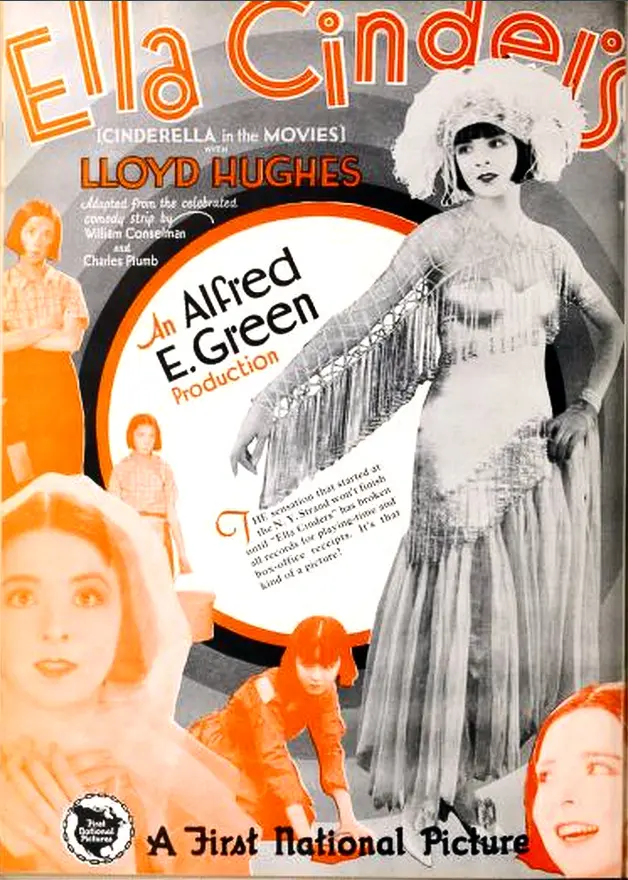
A definitive 6.9/10 rating for a film that redefined the boundaries of cult cinema. Ella Cinders remains a cornerstone of transgressive art.
Is 'Ella Cinders' worth watching today? Short answer: yes, but with significant caveats. This 1926 silent film is a delightful, if uneven, journey for enthusiasts of early cinema and those fascinated by Hollywood's golden age origins, yet it might test the patience of modern audiences accustomed to faster pacing and more sophisticated storytelling.
It's a foundational piece for silent film buffs and anyone curious about the star power of Colleen Moore, but it is unequivocally not for those who struggle with the conventions of silent cinema or expect the narrative precision of contemporary blockbusters. Prepare for a charming, albeit structurally lopsided, ride into the heart of 1920s ambition.
Directed by Alfred E. Green, 'Ella Cinders' positions itself as a lighthearted, comedic take on the classic Cinderella narrative, imbued with the specific anxieties and aspirations of the Jazz Age. The film introduces us to Ella, portrayed with boundless energy by Colleen Moore, a young woman trapped in a life of thankless drudgery under the thumb of a cruel stepmother and her equally unpleasant stepsisters. Her escape arrives in the form of a dubious photography contest, promising a coveted film role in the magical land of Hollywood.
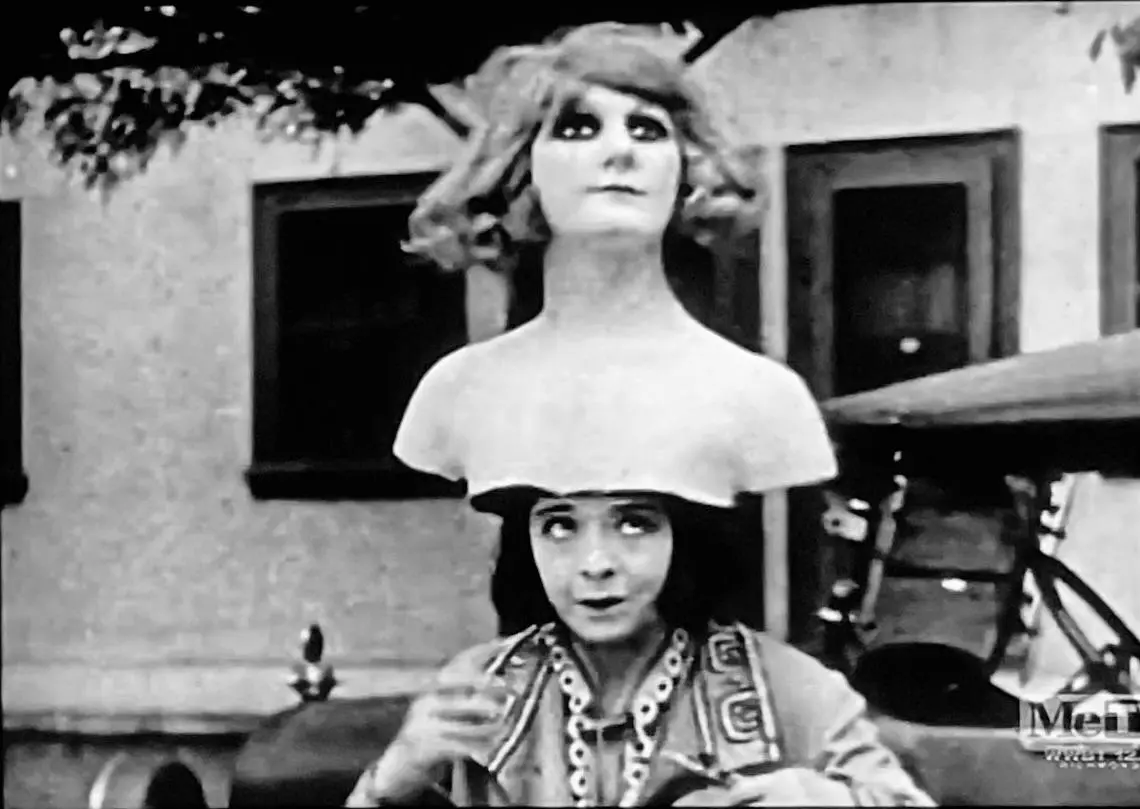
What follows is a journey that initially feels like a straightforward wish-fulfillment fantasy. Ella wins the contest, packs her meager belongings, and sets off for the West Coast, only to discover that the 'opportunity' is nothing more than a thinly veiled scam. This abrupt shift from dream to disillusionment is, surprisingly, where the film finds its most compelling, if underdeveloped, thematic footing. Ella, undeterred, decides to stay in Hollywood, determined to conquer the dream factory on her own terms.
This film works because of Colleen Moore's effervescent performance and its surprisingly sharp satire of the burgeoning Hollywood dream. This film fails because its narrative meanders significantly in the second act, and some comedic beats feel dated rather than timeless. You should watch it if you appreciate the artistry of silent film, are a fan of early screwball comedies, or want to see a foundational performance from one of the era's biggest stars.
Colleen Moore is the undisputed heart and soul of 'Ella Cinders'. Her performance is a masterclass in silent film acting, blending expressive physicality with an innate, almost incandescent charm. Moore, a bona fide flapper icon of her era, imbues Ella with a spirited resilience that transcends the film's occasional narrative shortcomings. Her wide, expressive eyes convey both the depth of her despair and the unwavering sparkle of her optimism. When she’s being belittled by Vera Lewis’s formidable stepmother, her slumped shoulders and downcast gaze speak volumes, only to be instantly replaced by a defiant glint when a glimmer of hope appears.
It is her face that carries much of the film’s emotional weight and comedic timing. Consider the scene where she's forced to pose for the contest photographs, enduring the ridiculous demands of the local photographer. Moore manages to convey a subtle exasperation beneath a forced smile, a universal experience for anyone who has ever had to grin and bear it. Her comedic timing is surprisingly modern, relying less on broad slapstick and more on nuanced reactions, a quality that separates her from many of her contemporaries.
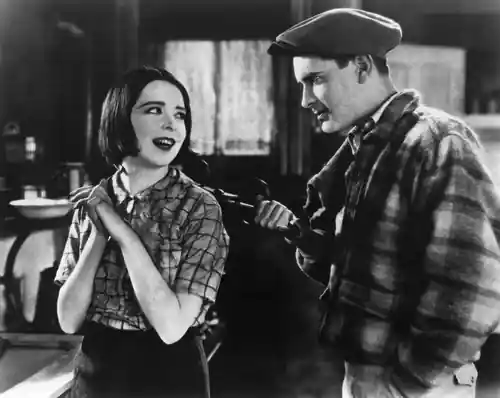
Moore’s ability to pivot from slapstick — like her initial clumsy attempts at acting in Hollywood — to moments of genuine pathos is remarkable. She elevates what could have been a one-note character into a relatable, aspirational figure. Without her magnetic presence, 'Ella Cinders' would likely be relegated to a historical footnote; with her, it remains a vibrant, if imperfect, testament to the star power of the silent era.
Alfred E. Green's direction, while competent, often feels serviceable rather than visionary. He captures the stark contrast between Ella's drab hometown and the bustling, often overwhelming, energy of Hollywood effectively. The initial scenes in her oppressive home are shot with a sense of confinement, using tight framing and muted sets to emphasize her entrapment. This visual language shifts dramatically upon her arrival in Los Angeles, where the frames open up, showcasing the grandeur of the city, even as it becomes clear that this grandeur is largely superficial.
However, Green occasionally struggles with pacing, particularly in the film's extended middle section. While some visual gags land with charming precision – such as Ella's disastrous attempts at various odd jobs in Hollywood, like a clumsy prop girl or a bewildered extra – others feel protracted. The sequence involving the fraudulent contest, for example, while crucial for plot setup, feels somewhat drawn out, relying on repetitive gags that lose their punch after the first few instances.
Cinematography, while not groundbreaking, effectively serves the narrative. The use of intertitles is standard for the era, but they are generally well-integrated, providing necessary exposition without feeling overly intrusive. There are moments of genuine visual wit, particularly in the latter half when Ella begins to find her footing in the chaotic world of film production, but these are often overshadowed by a more functional, rather than inspired, approach to filmmaking.
'Ella Cinders' presents a fascinating, almost accidental, critique of the Hollywood dream machine. The film starts by presenting Hollywood as a literal land of opportunity, a place where a small-town girl can become a star overnight. The fraudulent contest, however, punctures this illusion with brutal efficiency. It’s a moment of stark realism that feels surprisingly modern, highlighting the industry's capacity for exploitation and false promises.
Ella’s subsequent struggles – her inability to secure work, her brushes with poverty, and her gradual understanding of the industry's inner workings – serve as a precursor to countless 'struggling actor' narratives that would follow. The film doesn't shy away from depicting the grime beneath the glamour, even if it ultimately resolves into a triumphant fantasy. The satire is surprisingly biting for its era, perhaps even more so than its contemporary, Waxworks, which focused on a different kind of fantasy. It suggests that even in the nascent stages of Hollywood's self-mythologizing, there was an awareness of its own manufactured nature.
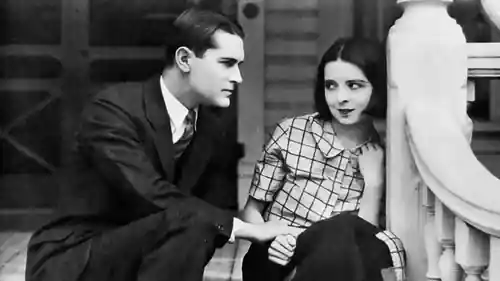
One could argue that the film’s ultimate happy ending somewhat blunts its critical edge. Yet, the journey Ella undertakes is far from easy, and the film dedicates substantial screen time to her grinding, unglamorous efforts. This balance between aspirational fantasy and gritty reality is one of its most enduring, if perhaps unintentional, strengths. It works. But it’s flawed.
While 'Ella Cinders' boasts a compelling central performance and intriguing thematic undertones, its narrative structure is its most significant weakness. The film suffers from a pronounced sag in its second act, where Ella's initial arrival in Hollywood and her subsequent struggles feel repetitive and drawn out. There's a sequence of montage-like scenes depicting her various failed attempts to break into the industry that, while illustrating her perseverance, could have been condensed for greater impact.
The introduction of the character of George, a young man who helps Ella and eventually becomes her love interest, also feels somewhat underdeveloped. Their romance, while sweet, lacks the emotional depth that would truly anchor the narrative. It often feels like a plot device to move Ella from one predicament to the next, rather than an organic development of character. This is a common pitfall in silent comedies, but one that 'Ella Cinders' doesn't entirely overcome.
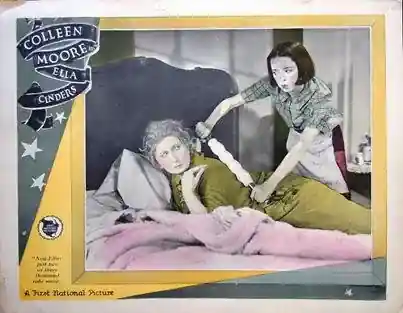
Furthermore, some of the comedic elements, particularly the broad physical gags and the exaggerated reactions of supporting characters, have not aged as gracefully as Moore's more nuanced performance. What might have elicited hearty laughter in 1926 can, at times, feel quaint or even tedious to a modern viewer. This unevenness in tone and pacing ultimately prevents the film from achieving true classic status, despite its many charms.
Yes, 'Ella Cinders' is absolutely worth watching today, especially for specific audiences. If you possess a genuine appreciation for silent cinema, or if you're a student of film history eager to witness the evolution of comedic storytelling and star persona, this film offers considerable rewards. It provides a valuable window into the production values and narrative conventions of 1920s Hollywood.
For those who are just dipping their toes into the silent era, 'Ella Cinders' can serve as an accessible entry point due to Colleen Moore's captivating performance and the universally understood rags-to-riches theme. However, approach it with an open mind and a willingness to engage with a different pace of storytelling. It requires a certain patience, but the payoff is a delightful, often insightful, glimpse into a bygone cinematic age.
It’s a film that reminds us of the raw talent that defined early Hollywood, even when the filmmaking itself was still finding its feet. Moore's star power alone justifies a viewing, cementing her legacy as more than just a fashion icon, but as a genuine screen presence.
'Ella Cinders' is a delightful, if imperfect, relic from the silent era, primarily elevated by the sheer star power and comedic brilliance of Colleen Moore. While its narrative occasionally meanders and some of its humor has lost its punch over the decades, the film remains an essential watch for anyone interested in the foundational years of Hollywood and the magnetic personalities that defined them. It's a testament to the enduring appeal of the underdog story and a surprisingly sharp, albeit gentle, poke at the industry's own self-mythologizing. Don’t expect a perfect film, but do expect to be utterly charmed by its leading lady and gain a valuable insight into the cinematic landscape of the Roaring Twenties. For all its minor flaws, 'Ella Cinders' still sparkles with a quiet, resilient charm, making it a worthwhile journey for the patient cinephile.
IMDb 5.1
1930
Community
Log in to comment.