DbcultAccessing Vault...
Cult Review
Senior Film Conservator
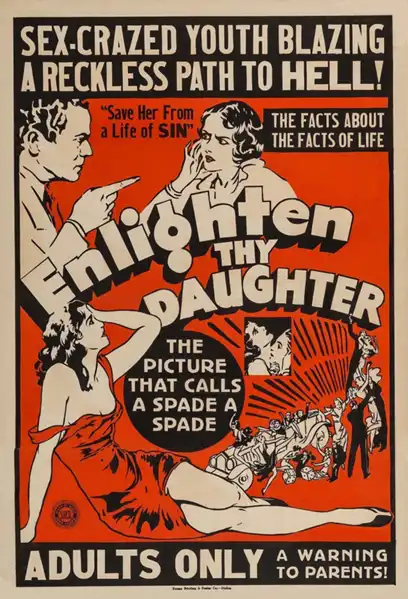
If you have a soft spot for pre-Code morality plays or just want to see how cinema handled 'scandalous' behavior back in the thirties, this is a decent curiosity. If you are looking for a nuanced character study, you will probably hate it. It is less of a movie and more of a public service announcement gone wrong.
Lillian is just a college kid looking for some attention. Her dad is too busy with his radio reformer act to look up from his papers. It is the classic 1930s setup: parents are distant, so the kids go out and get into trouble. And boy, do they get into trouble.
Enter Gerald Winthrop. He is the kind of guy who probably uses the word 'dame' unironically. The car breaking down in the rain is such a transparent trope it almost made me laugh out loud. You know exactly where it is going the second those tires hit the mud. One night in a tourist court and the rest of the film is just dealing with the fallout of that one mistake.
The pacing is a bit of a mess. It rushes through the 'fun' part—if you can call it that—and drags its feet through the moralizing. It feels like the writers were terrified of being too sympathetic toward Lillian. They really wanted to make sure you knew that going to a nightclub was a one-way ticket to ruin. It reminds me of the heavy-handedness you see in something like Manslaughter, though with a lot less style.
The acting is… well, it is theater acting for a camera. There is a lot of wide-eyed staring and hand-wringing. Gerald is such a cartoonish cad that I kept waiting for him to twirl a mustache. The way he just hops from cousin to cousin is so fast it gives you whiplash. You can almost feel the script pushing the characters around like chess pieces just to make a point about 'virtue.'
It is not exactly The Sign of the Cross in terms of production value or impact. It feels smaller, like something made in a hurry to capitalize on social anxiety. Still, there is a weird, dusty charm to watching it now. It is a time capsule of what people were scared of in 1934.
Sometimes the movie gets noticeably better when it stops trying to lecture you and just lets the characters argue. Those moments feel almost real, before the plot forces them back into their roles as 'the ruined girl' or 'the busy father.' I kept wanting the movie to just let them be people for five minutes. But no, we have to stay on message. 🙄
IMDb —
1926
Community
Log in to comment.