DbcultAccessing Vault...
Cult Review
Senior Film Conservator
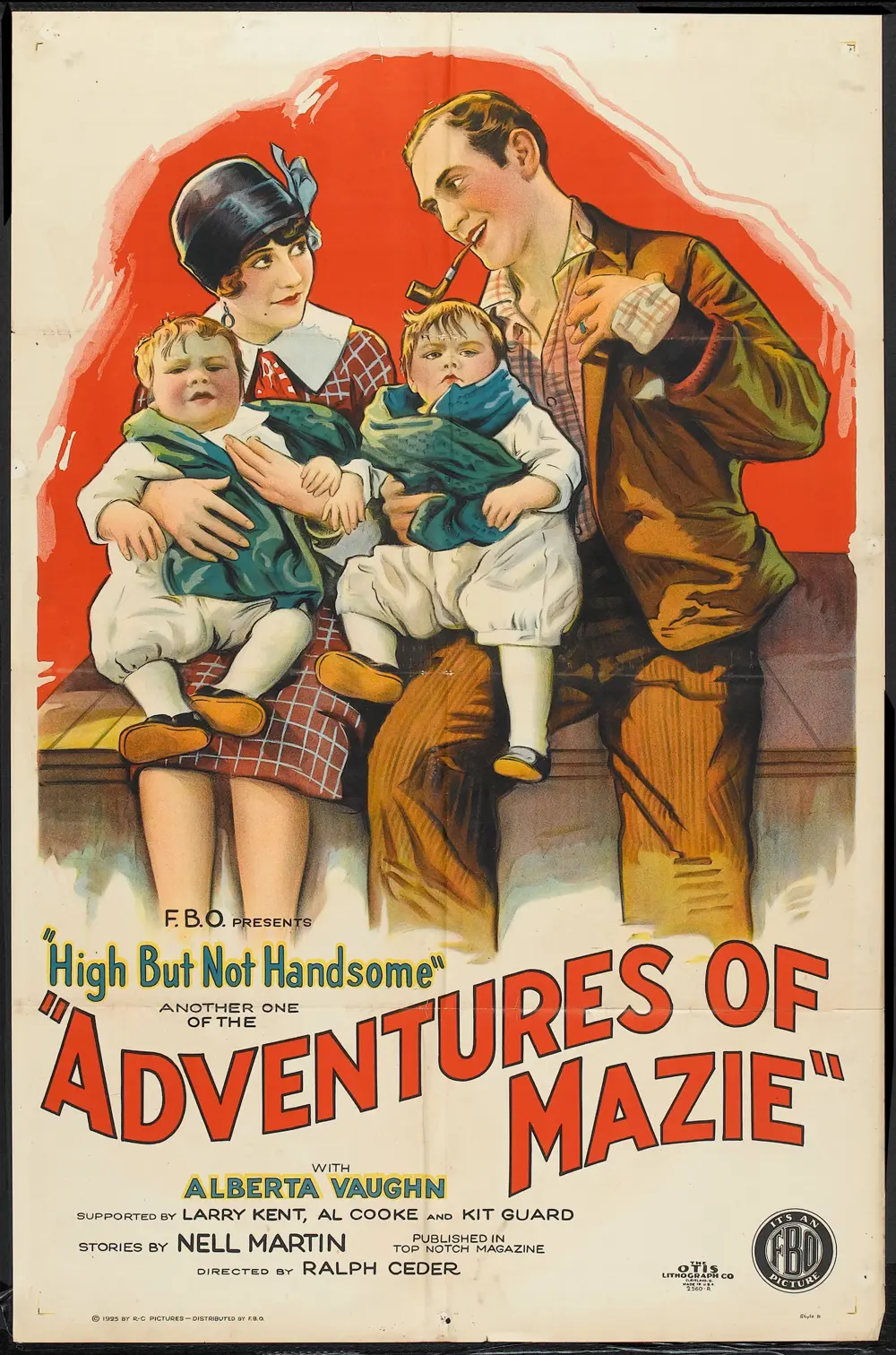
Is this film worth watching today? Short answer: yes, but only if you are a dedicated student of silent-era slapstick or a completionist of the Al Cooke and Kit Guard duo. This is not a transcendent masterpiece that will change your worldview, but it is a fascinating artifact of a time when comedy was measured in bruises and broken props.
This film is for enthusiasts of 1920s short subjects and those who find joy in the rhythmic timing of physical gags. It is definitely NOT for modern audiences who require high-definition pacing, complex dialogue, or a plot that doesn't rely on someone falling down every three minutes. It is a relic, but a charming one.
1) This film works because the chemistry between Al Cooke and Kit Guard is palpable, reflecting a shorthand developed over dozens of collaborations that makes even the most basic gags feel fluid.
2) This film fails because its narrative structure is virtually non-existent, serving merely as a clothesline to hang a series of disconnected physical stunts that lack a cohesive emotional arc.
3) You should watch it if you want to see how female writers like Doris Anderson and Nell Martin injected a subtle sense of social satire into what would otherwise be mindless slapstick.
Al Cooke was never the biggest star of the silent era, but in High, But Not Handsome, he proves why he was a staple of the short-form comedy. His performance is built on a specific type of kinetic energy. He doesn't just fall; he collapses with a sense of tragic inevitability. Watching him try to maintain a dignified posture while his world literally crumbles around him is a masterclass in the 'everyman' archetype.
In one specific sequence, Cooke attempts to navigate a crowded social gathering while hiding a wardrobe malfunction. The way he uses his limbs to shield his shame while simultaneously trying to flirt with Alberta Vaughn is genuinely impressive. It’s a bit like watching a high-wire act where the wire is made of dental floss. It’s thin. Very thin. But the tension keeps you watching.
Compared to the more robust humor found in Behind the Front, this film feels smaller, more intimate, and perhaps more desperate. There is a raw edge to the comedy here that suggests the stakes for these characters are surprisingly high, even if the situations are absurd. It lacks the polish of a Chaplin feature, but it has a grit that is uniquely its own.
It is often overlooked that many of these silent comedies were penned by women. Doris Anderson and Nell Martin bring a specific sharpness to the social dynamics of the film. While the director focuses on the pratfalls, the script focuses on the embarrassment of the 'nouveau riche'. The 'High' in the title refers to social standing, and the writers take great pleasure in knocking the characters off their pedestals.
The dialogue cards, though sparse, possess a wit that elevates the material. There is a sense of irony in the way the characters describe their aspirations. This isn't just a movie about a guy falling down; it's a movie about a guy falling down while trying to pretend he’s better than everyone else. That distinction is what makes the film more than just a historical curiosity.
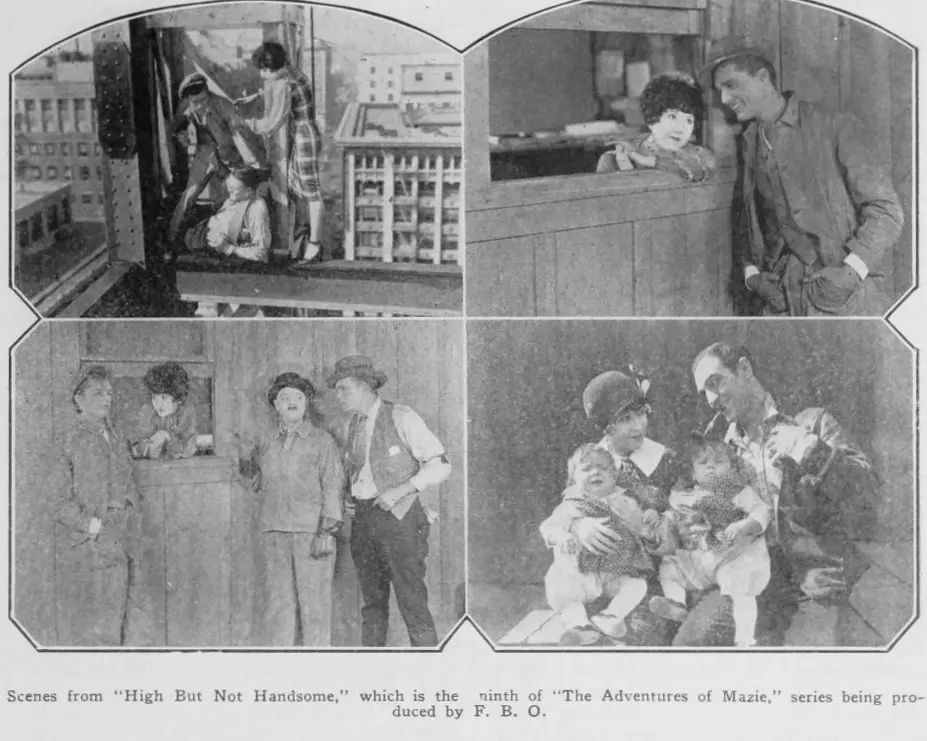
Consider the contrast with a film like Andy's Hat in the Ring. While that film relies heavily on the situational absurdity of politics, High, But Not Handsome stays grounded in the personal, making the failures feel more biting. The writers understood that the funniest thing in the world is a man who thinks he’s handsome when he’s clearly a mess.
Visually, the film is a product of its time, but that’s not a slight. The use of natural light in the outdoor sequences gives the film an airy, almost documentary-like feel. The camera stays largely static, allowing the actors to move within the frame like stage performers. This creates a sense of space that modern comedies often lose with their rapid-fire editing.
The pacing is frantic. In the middle act, the film hits a stride where the gags come so fast that you barely have time to process the last one. This is where the film excels. It doesn't give you time to think about the plot holes. It just pushes you forward. It’s a relentless machine of movement.
However, this speed can be exhausting. Unlike the more deliberate pacing of The Chauffeur, which allows moments to breathe, High, But Not Handsome is terrified of a single second of silence (ironically). It feels the need to fill every frame with action, which occasionally leads to a sense of visual clutter.
If you are looking for a deep emotional experience, look elsewhere. If you want to see a snapshot of 1920s American humor in its most unfiltered form, then yes, this is worth thirty minutes of your life. It is a fascinating look at the 'B-side' of silent cinema.
The film serves as a bridge between the primitive slapstick of the 1910s and the more sophisticated situational comedies of the 1930s. You can see the DNA of future sitcoms in the way Cooke and Guard interact. They are the spiritual ancestors of many comedic duos that followed.
Pros:
Cons:
High, But Not Handsome is a loud, messy, and occasionally brilliant piece of silent comedy. It doesn't have the grace of a Keaton film or the pathos of a Chaplin film, but it has a manic energy that is infectious. Al Cooke is a forgotten gem of the era, and this film is a testament to his ability to turn a simple stumble into a work of art. It’s flawed. It’s dated. But it works. It’s a minor note in the history of cinema, but a note worth hearing nonetheless. If you can handle the flicker and the grain, there is a lot of heart buried under the hats and the handshakes.
"A chaotic symphony of social embarrassment that proves you don't need sound to tell a story about the universal fear of looking like an idiot."
Ultimately, it stands as a reminder that comedy hasn't changed as much as we think. We are still laughing at the man who thinks he’s 'High' while looking decidedly 'Not Handsome'. It is a mirror of our own vanities, held up by a man who isn't afraid to break the glass.
IMDb 5.2
1912
Community
Log in to comment.