DbcultAccessing Vault...
8.4/10
Senior Film Conservator
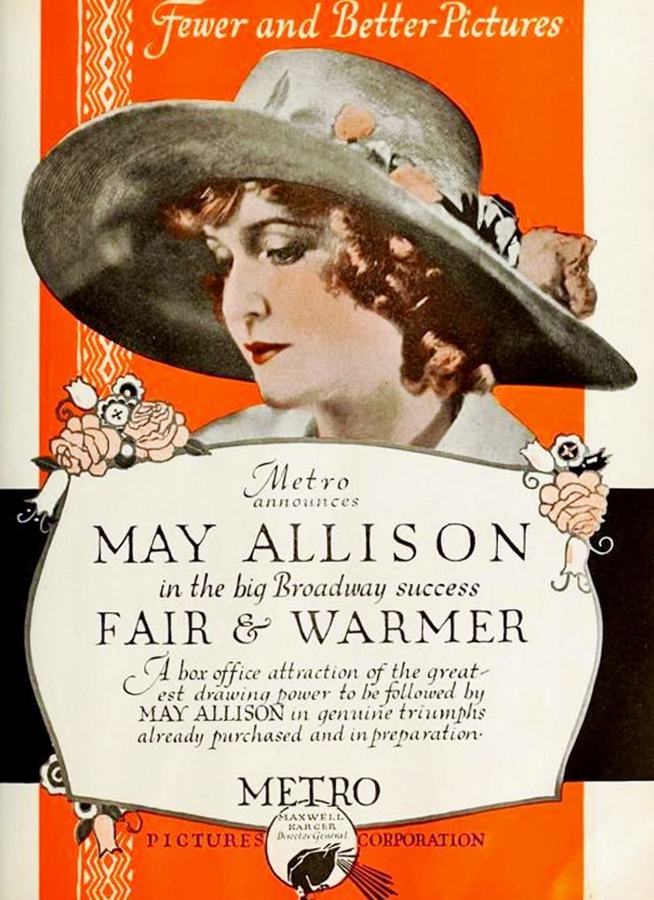
A definitive 8.4/10 rating for a film that redefined the boundaries of cult cinema. Fair and Warmer remains a cornerstone of transgressive art.
In the vibrant tapestry of early 20th-century cinema, amidst the burgeoning dramatic narratives and grand cinematic spectacles, a particular genre carved out its niche with an almost surgical precision: the domestic farce. And few films exemplify this delightful chaos with as much understated panache as the 1919 silent comedy, Fair and Warmer. It's a film that, even a century later, manages to elicit chuckles and nods of recognition for its timeless exploration of marital ennui, the human propensity for elaborate deception, and the often-hilarious fallout when those carefully constructed facades inevitably crumble. Far from a mere relic, this picture stands as a testament to the enduring power of character-driven comedy, proving that the silent screen could speak volumes through expression, gesture, and a brilliantly conceived plot.
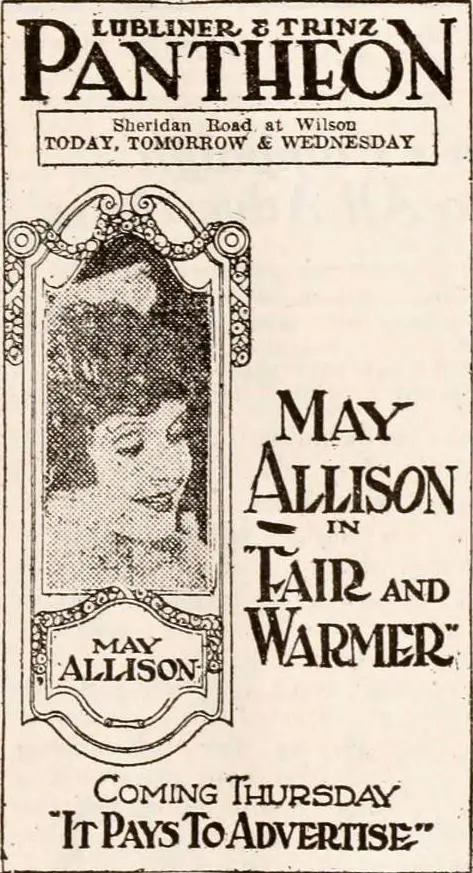
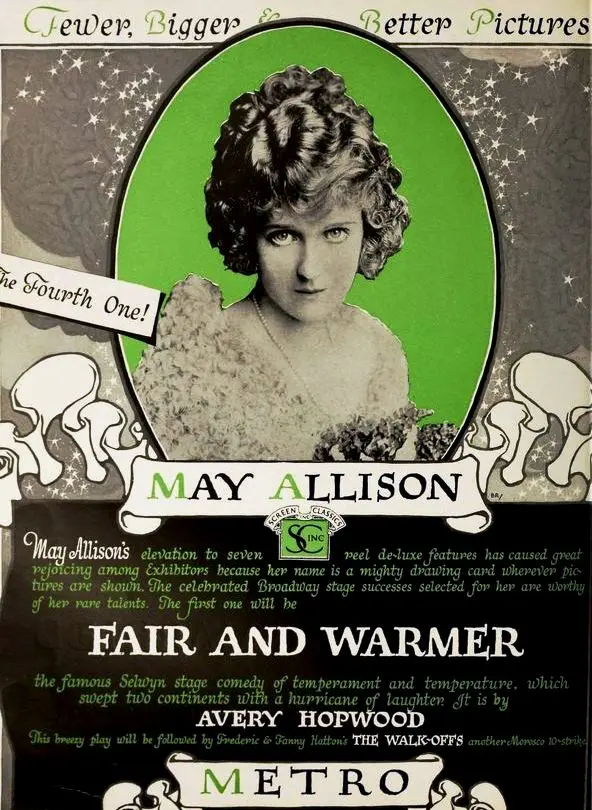
The narrative unfurls with an elegant simplicity, introducing us to two couples residing in close proximity, their lives intertwined by architectural design and, more significantly, by a shared undercurrent of marital discontent. Upstairs, we have Jack and Blanny Wheeler, a pair whose outwardly conventional existence masks Jack's predilection for late-night poker. His alibi, a fictional commitment to the 'Mystic Shrine society,' becomes a running gag, a flimsy yet initially effective shield against his wife's scrutiny. It's a classic setup, immediately establishing a dynamic of mild deceit that feels both familiar and ripe for comedic exploitation. Downstairs, Laura and Billy Bartlett mirror this marital disquiet, though Laura's transgression is of a more serious nature, involving a dalliance with the suave Philip Evans. The film deftly paints these initial strokes of character, allowing the audience to understand the fault lines in these relationships before the earthquake of the plot truly begins to rumble. The writers, Avery Hopwood, June Mathis, and Andrew Percival Younger, demonstrate a keen understanding of human nature, particularly its capacity for self-deception and the yearning for excitement outside the mundane.
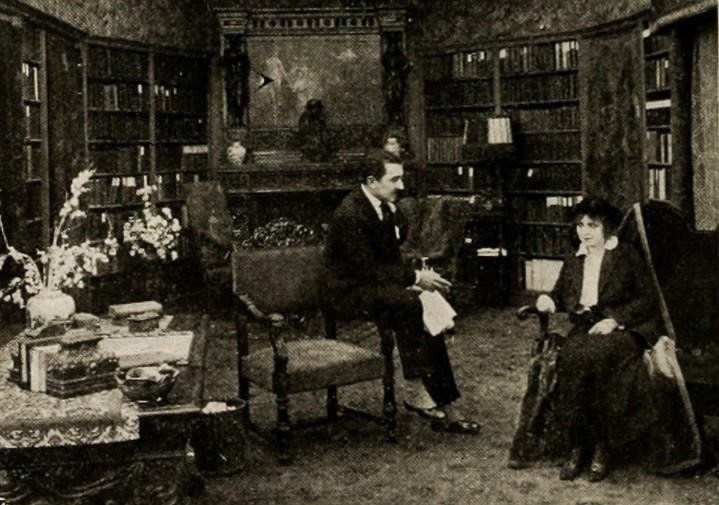
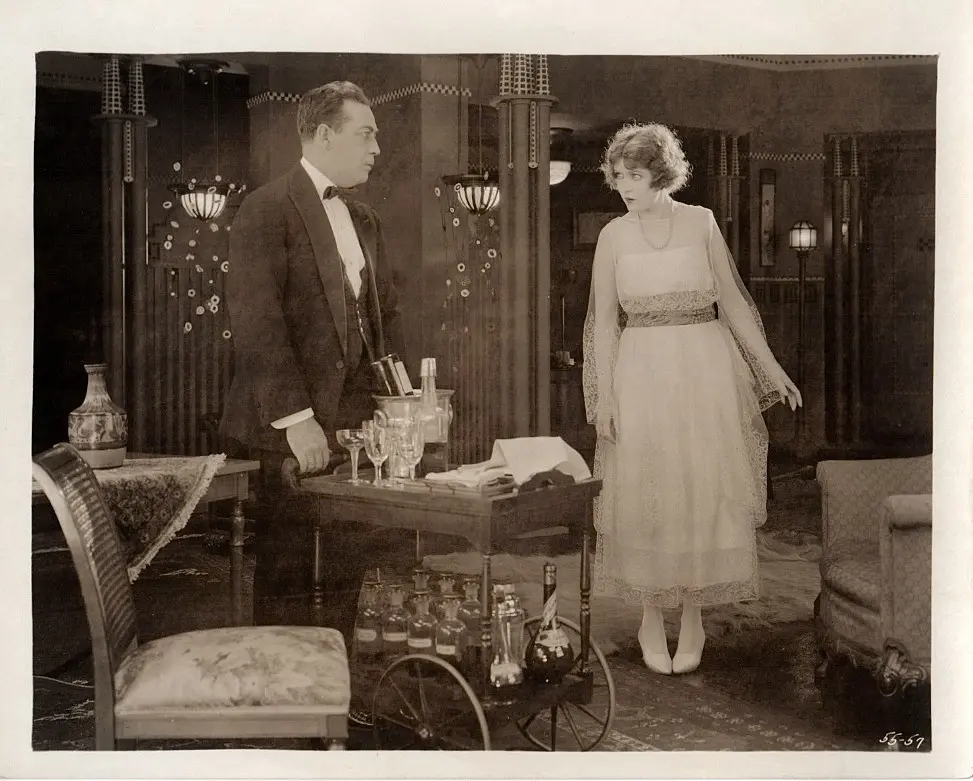
The pivotal evening arrives, bathed in the soft glow of domestic lamps, as Jack departs for his 'meeting' and Laura slips away to meet Philip. This leaves Blanny and Billy, the ostensibly 'left-behind' spouses, to their own devices. Their shared loneliness, a poignant undercurrent to the film's otherwise lighthearted tone, brings them together in a moment of genuine, albeit misguided, connection. It's here that May Allison, as Blanny, and Eugene Pallette, as Billy, truly begin to shine. Their commiseration is palpable, a silent symphony of sighs and shared glances that speaks volumes about their respective marital predicaments. The idea to incite jealousy in their absent partners, a rather audacious plan born of desperation and a touch of mischief, quickly takes root. This is where the film pivots from simple domestic drama to full-blown farce. The decision to sample various liquors, an innocent exploration that rapidly spirals into intoxication, is a masterstroke. It provides a plausible, and comically rich, explanation for their subsequent actions, allowing the characters to shed their inhibitions and the plot to embrace unabashed absurdity. The visual comedy of their increasing inebriation, from tentative sips to clumsy tumbles, is expertly handled, showcasing the era's reliance on physical performance to convey humor.
The morning's return of Jack, Laura, and Philip sets the stage for the film's uproarious climax. Discovering Blanny and Billy in a state of compromised repose, the returning spouses are, understandably, incensed. The carefully constructed web of deceit, spun by both Jack and Laura, now threatens to ensnare them in its sticky threads. The threats of divorce fly fast and furious, each accusation more dramatic than the last, building a crescendo of comedic tension. William Buckley's portrayal of Jack, initially self-satisfied in his deception, then bewildered and outraged, is a highlight. Christine Mayo, as Laura, perfectly embodies the indignant spouse, despite her own secret. The beauty of this sequence lies in the sheer irony: the very people who have been engaging in their own forms of marital infidelity are the most vociferous in their condemnation. The film doesn't preach; it simply presents the farcical consequences of their actions, allowing the audience to revel in the delicious hypocrisy. The eventual, albeit staggered, explanations are a masterclass in comedic timing, slowly unraveling the misunderstanding piece by piece until the truth, however embarrassing, is laid bare. The relief, and the subsequent reconciliation, feel earned, even if tinged with the lingering scent of liquor and awkward apologies.
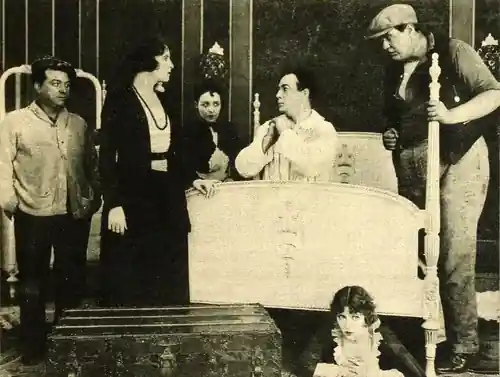
The success of Fair and Warmer rests heavily on the shoulders of its talented ensemble, whose ability to convey complex emotions and comedic beats without spoken dialogue is truly remarkable. May Allison, as Blanny Wheeler, delivers a performance that is both charmingly innocent and surprisingly mischievous. Her transformation from a lonely, neglected wife to a tipsy schemer is a joy to behold. She imbues Blanny with a relatable vulnerability that makes her actions, however foolish, understandable. Eugene Pallette, a name that would become synonymous with character acting in later decades, is superb as Billy Bartlett. His bumbling earnestness and his physical comedy, particularly in the scenes of intoxication, are highlights. Pallette has a knack for making his characters simultaneously pathetic and endearing, a trait perfectly suited for Billy. William Buckley, as the philandering Jack, manages to maintain a certain roguish charm even as his deceptions unravel, while Christine Mayo's Laura is a study in controlled indignation, her expressions conveying a wealth of unspoken accusations. Even the minor roles, such as Richard Headrick's Philip Evans, contribute to the overall comedic effect, playing their parts with conviction and a keen sense of timing. The ensemble works in perfect harmony, a testament to the collaborative nature of silent film acting.
While Fair and Warmer is undoubtedly a comedy, it also touches upon themes that resonate far beyond its immediate laughs. Marital dissatisfaction, the yearning for attention, and the dangerous game of jealousy are all explored with a surprising degree of insight. The film subtly critiques the societal expectations of marriage in the early 20th century, where appearances often trumped genuine connection. The characters' initial deceptions are born out of a desire for personal freedom or external validation, highlighting a universal human struggle. The use of alcohol as a catalyst for both truth and further chaos is also a recurring motif in cinematic farce, and here it's employed with particular effectiveness, blurring the lines between conscious intent and accidental consequence. The film, in its own lighthearted way, suggests that honesty, however uncomfortable, is ultimately the best policy, and that true connection cannot be built on a foundation of lies. This thematic depth elevates Fair and Warmer beyond a mere series of gags, positioning it as a thoughtful, if comedic, commentary on human relationships.
In the bustling cinematic landscape of 1919, a year that also saw the release of diverse films like the dramatic The Divine Sacrifice and the more melodramatic Under the Gaslight, Fair and Warmer carved its own distinct path. It stood apart from the grand historical epics or the burgeoning social commentaries, instead focusing its lens on the intimate, often absurd, intricacies of domestic life. While films like The Man Who Stayed at Home might have explored domestic tensions through a more serious, wartime lens, Fair and Warmer embraced the lighter side, proving that profound insights could be delivered with a wink and a smile. It is a quintessential example of the 'bedroom farce' subgenre, adapted from a successful stage play, a common practice of the era. The seamless transition from stage to screen, preserving the rapid-fire pacing and situational humor, is a testament to the screenwriting talents of June Mathis, Avery Hopwood, and Andrew Percival Younger. Their script is not just a collection of jokes but a carefully constructed narrative arc that builds momentum towards its farcical peak.
The film’s enduring appeal lies in its universal themes and its masterful execution. Even without the benefit of spoken dialogue, the characters’ motivations are clear, their emotions palpable, and their predicaments endlessly amusing. It reminds us that human follies, particularly those concerning love and fidelity, transcend time and technological advancements in storytelling. For contemporary viewers, it offers a fascinating glimpse into the comedic sensibilities of a bygone era, showcasing the nuanced artistry required to make an audience laugh through visual storytelling alone. It’s a delightful journey back to a time when a well-timed glance or a dramatically raised eyebrow could convey more than a thousand words.
In conclusion, Fair and Warmer is more than just a historical curiosity; it’s a vibrant, engaging, and genuinely funny film that holds its own against the test of time. It's a perfect example of how clever writing, charismatic performances, and astute direction can coalesce to create a timeless piece of entertainment. For anyone with an interest in silent cinema, the evolution of comedic storytelling, or simply a desire for a good old-fashioned laugh, this film comes highly recommended. It serves as a charming reminder that sometimes, the most profound truths about human nature are best revealed through the most uproarious of farces. Its warmth, indeed, remains undiminished.
IMDb —
1936
Community
Log in to comment.