DbcultAccessing Vault...
6.6/10
Senior Film Conservator
A definitive 6.6/10 rating for a film that redefined the boundaries of cult cinema. Feed 'em and Weep remains a cornerstone of transgressive art.
If you're looking for a tightly plotted, character-driven drama, you should probably just keep scrolling. But if the idea of a 1928 silent comedy throwing two waitresses into pure, unadulterated diner chaos sounds like your kind of afternoon, then yeah, Feed 'em and Weep is absolutely worth a quick watch. It’s for the folks who get a kick out of old-school physical comedy, who appreciate the frantic energy of a good slapstick short. Anyone expecting something more than escalating pandemonium will likely find themselves bored stiff.
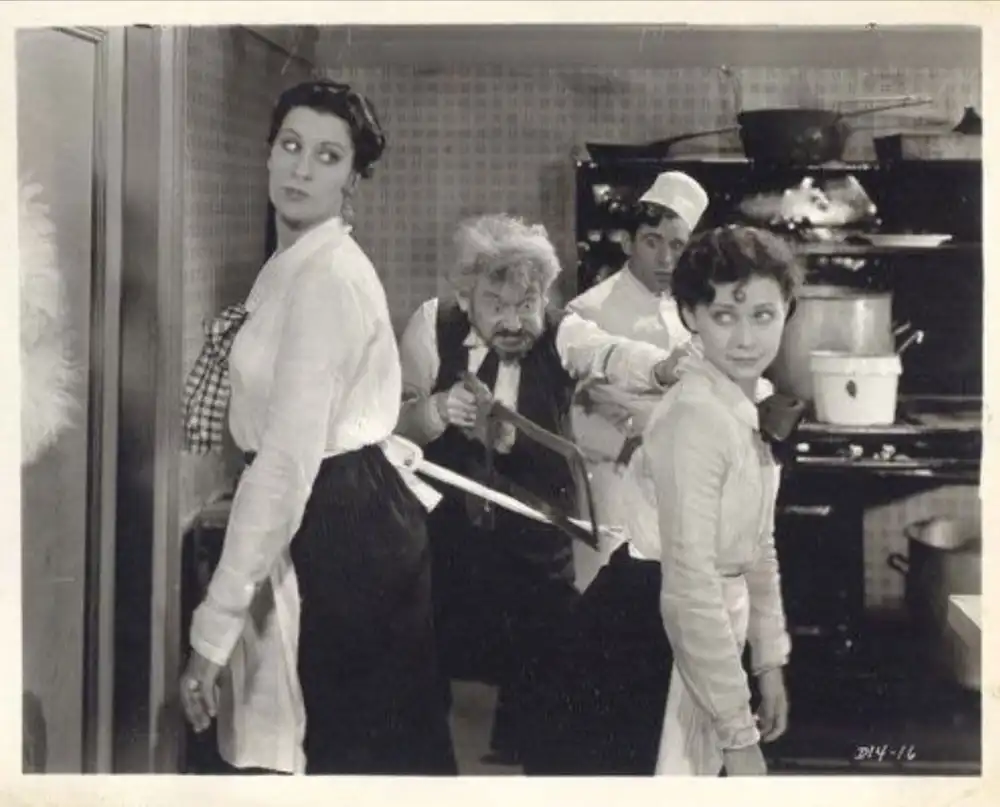
The whole thing kicks off in Max’s diner, a place that looks about as sleepy as you’d expect for a joint next to a train station that doesn’t seem to get much traffic. Max Davidson, playing the proprietor, has this perpetually bewildered look, even before things go sideways. Anita Garvin and Marion Byron are the waitresses, and they start out with that sort of bored efficiency, wiping down counters, probably dreaming of their shift ending.
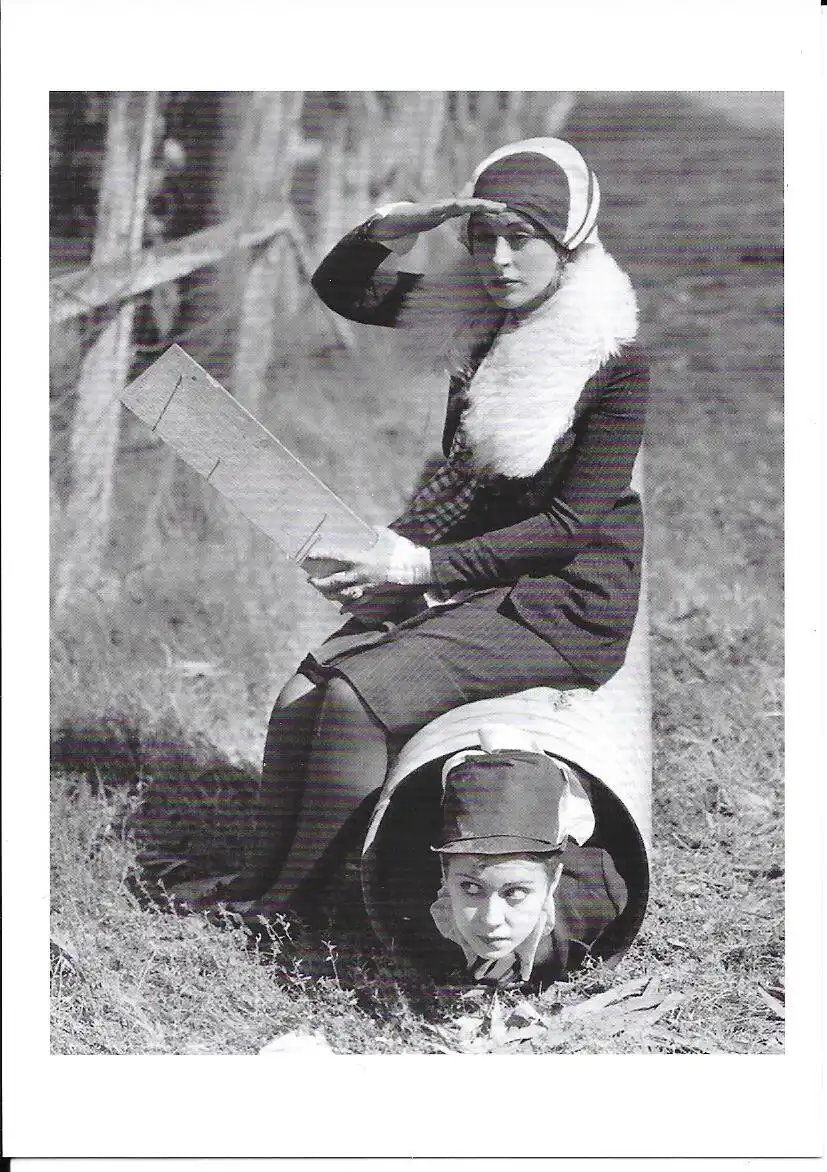
Then the train pulls in. And suddenly, the place is just *swarmed*. It's not a gradual increase; it's like a dam burst. The editing here is quick, almost jarring, to convey the suddenness of it all. One moment, empty tables; the next, every seat is filled, and people are banging on the counters like they haven't eaten in a month. This is where the movie really finds its footing, throwing the audience right into the deep end of the panic.
The beauty of silent slapstick is in the reactions, and Garvin and Byron are great at it. Their initial attempts to keep things orderly quickly dissolve into wide-eyed panic. You see them trying to remember orders, getting tangled up, plates threatening to slide off their arms. Max Davidson, bless his heart, tries to keep the kitchen running, but it’s a losing battle. He’s covered in flour one minute, dropping a tray the next. His exasperation is perfectly pitched, a silent scream against the tide of hungry customers.
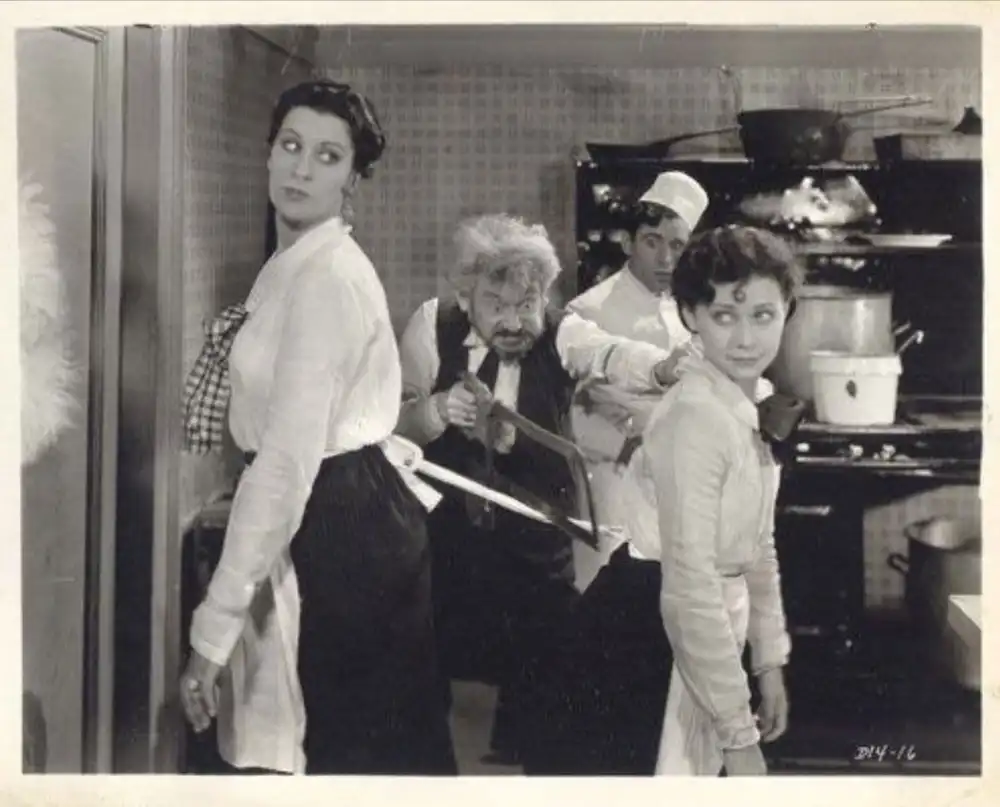
There’s a great bit where a customer, I think it’s S.D. Wilcox, just keeps pointing at his empty plate with this insistent, almost aggressive gesture. It’s a tiny detail, but it sells the desperation of the diners and the mounting pressure on the staff. Edgar Kennedy shows up too, as a customer. You always know what you're getting with Kennedy: that slightly bewildered, often annoyed expression that just makes everything funnier. He’s not doing anything particularly wild here, but his presence just solidifies the chaotic atmosphere.
The gags themselves are pretty standard for the era: food flying, people getting splashed, mistaken orders. But the sheer relentless pace of it, the way Leo McCarey just keeps piling on the demands, makes it work. It doesn't really build to one massive crescendo as much as it sustains a high level of frantic energy from the moment the train arrives until the very end. The kitchen becomes a warzone, with Max flailing amidst pots and pans, while out front, Anita and Marion are just trying to survive the onslaught.
Some of the background action feels a bit thin, like the extras aren't quite sure what they're supposed to be doing besides looking hungry. But that's a minor quibble, really. The focus is squarely on our three main characters trying to hold a crumbling world together. The whole thing feels like a very specific kind of nightmare, the one where you're perpetually behind and everyone is yelling at you.
It’s a quick, messy, and entirely charming little film. It doesn't pretend to be anything more than a slice of pure, unadulterated chaos, and it delivers exactly that. If you need a reminder of how good physical comedy used to be, or just want to watch a diner get absolutely wrecked by a trainload of hungry people, this is a solid choice for twenty minutes of your time.
IMDb 3.2
1914
Community
Log in to comment.