DbcultAccessing Vault...
Cult Review
Senior Film Conservator
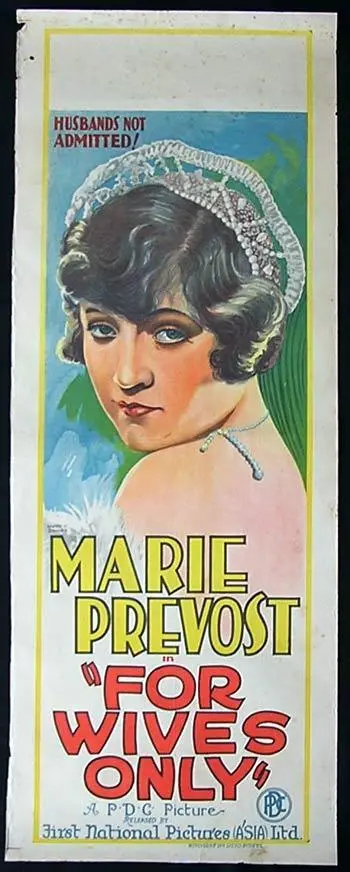
Is For Wives Only a forgotten classic of the silent era? Short answer: yes, but it requires a specific appetite for the high-strung domestic politics of the 1920s.
This film is for enthusiasts of silent-era social satires and those who appreciate the nuanced physical acting of Marie Prevost. It is not for viewers who demand fast-paced action or those who find the 'neglected wife' trope of early cinema too antiquated to enjoy.
1) This film works because Marie Prevost delivers a performance of such calculated desperation that it transcends the limitations of the silent medium.
2) This film fails because the male lead, Dr. Josef Rittenhaus, is written with an obliviousness that borders on the pathological, making the final reconciliation feel unearned.
3) You should watch it if you have an interest in the evolution of the marriage comedy or enjoy similar domestic dramas like Josselyn's Wife.
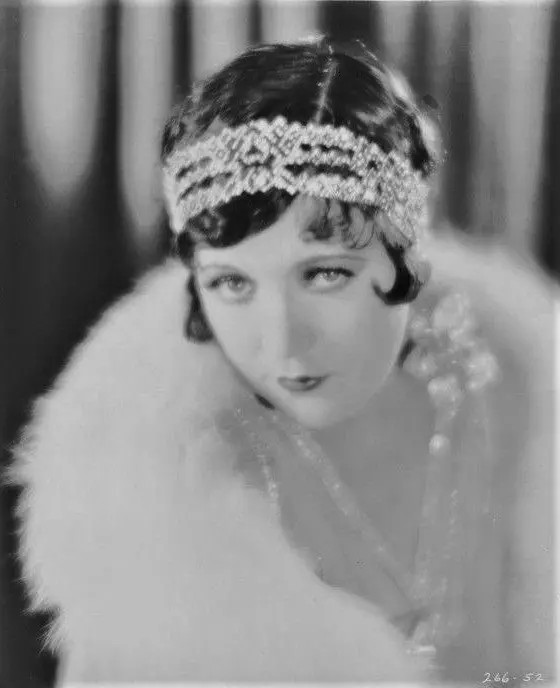
The 1920s were a fertile ground for exploring the friction between the 'New Woman' and the traditional expectations of the domestic sphere. For Wives Only enters this conversation with a Viennese flair, presenting a world where medical prestige and social standing are the only currencies that seem to matter to the men. Dr. Josef Rittenhaus, played with a stiff, almost clinical detachment by Victor Varconi, is the epitome of the professional man who treats his wife like a piece of fine furniture—admired but ignored.
The narrative engine is fueled by Laura’s (Marie Prevost) refusal to be a decorative object. When she is left in the company of Carl Tanzer, a man who views his best friend's absence as an open invitation, the film shifts from a domestic drama into a tense social thriller. Prevost's ability to convey disgust while maintaining the facade of a polite hostess is a masterclass in silent acting. You can see the gears turning behind her eyes as she realizes that her husband's indifference is not just a personal slight, but a social vulnerability.
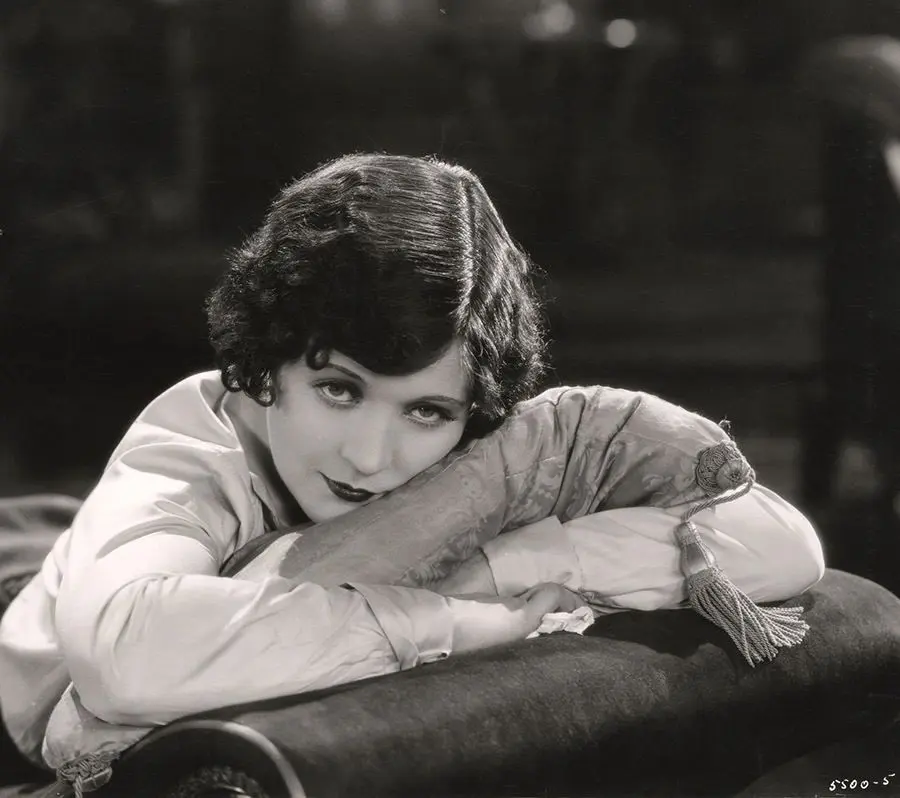
Marie Prevost is the undisputed heart of this production. In an era where many actresses leaned into exaggerated pantomime, Prevost uses subtle shifts in posture and gaze to tell Laura's story. In the scene where she rejects Tanzer, her movements are sharp and decisive, contrasting beautifully with the later scenes where she attempts to 'vamp' her husband's friends. This transition—from a woman of integrity to a woman playing a role—is handled with a sophisticated touch that avoids the campiness often found in similar films like Tiger Rose.
Victor Varconi, on the other hand, is a polarizing presence. His performance is grounded in the European tradition of the 'distinguished gentleman,' which works well for his character's professional status but makes him a frustrating romantic lead. When he interacts with the Countess von Nessa (Dorothy Cumming), there is a coldness that makes you wonder if the character is capable of any genuine emotion at all. This creates a strange imbalance in the film: you want Laura to succeed in her plan, but you also start to feel that she deserves someone far more attentive than Josef.
The visual language of For Wives Only is surprisingly modern in its use of space. The director uses the layout of the Rittenhaus home to emphasize the emotional distance between the couple. Long shots often place Josef in his study, framed by books and medical equipment, while Laura is seen in the more open, vulnerable spaces of the drawing room. This spatial storytelling is more effective than any intertitle could ever be.
There is a specific scene at a card game that deserves close study. As Laura attempts to flirt with the other men to incite Josef's jealousy, the lighting shifts to become more erratic, mirroring her internal panic. The shadows of the other players loom large on the walls, turning a simple social gathering into a claustrophobic nightmare. It is a moment of visual brilliance that elevates the film above the standard 'husband vs. wife' fare of the time, much like the stylistic choices in The Firing Line.
If the film has a significant flaw, it is the pacing during the second act. The introduction of Fritz Schwerman and the subsequent escape sequence feels like a detour from the central emotional conflict. While it provides some physical stakes, it momentarily turns the film into a standard chase melodrama, losing the psychological sharpness of the earlier scenes. This is a common issue in films of this period, where directors felt the need to inject 'action' into what should have been a purely character-driven story.
The tone also fluctuates wildly between sophisticated satire and broad farce. The moments involving the bogus letter are played for laughs, but the underlying desperation of Laura's situation is quite tragic. This tonal whiplash can be jarring, especially for modern viewers who are used to more consistent genre labeling. However, if you view it through the lens of the 'comedy of manners,' these shifts become more palatable.
Is For Wives Only worth your time? Yes, if you are a student of cinema history or a fan of silent-era drama. It offers a fascinating look at the social anxieties of the 1920s and features one of Marie Prevost's most layered performances. While the resolution is somewhat predictable, the journey there is filled with sharp observations about marriage and social performance.
Pros:
- Marie Prevost's exceptional and subtle acting.
- High production values for the era, especially the costumes.
- A sharp, if cynical, look at high-society philanthropy.
- Effective use of visual metaphors for isolation.
Cons:
- The pacing drags significantly in the middle act.
- The male lead lacks any redeeming warmth.
- Some plot points rely on extreme character coincidences.
- The ending feels rushed compared to the slow-burn buildup.
For Wives Only is a competent, often biting satire that suffers from a weak male lead but is redeemed by a powerhouse female performance. It captures a specific moment in time when the silent screen was beginning to explore more complex adult themes before the advent of the Hays Code. It works. But it’s flawed. If you can move past the dated gender roles, you will find a film that is surprisingly honest about the loneliness of a neglected marriage. It is a worthy addition to any silent film marathon, perhaps paired with the lighter His New Papa for contrast.
IMDb 5.7
1936
Community
Log in to comment.