DbcultAccessing Vault...
6.3/10
Senior Film Conservator
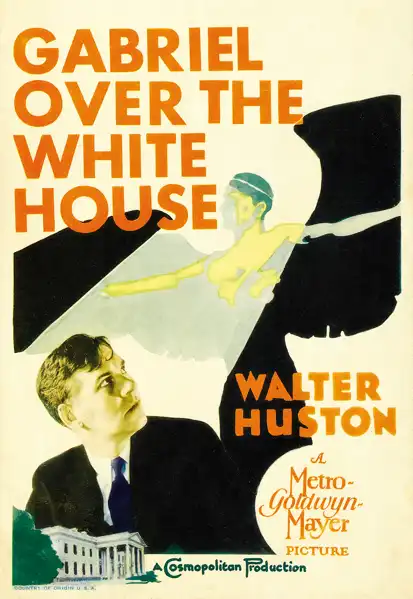
A definitive 6.3/10 rating for a film that redefined the boundaries of cult cinema. Gabriel Over the White House remains a cornerstone of transgressive art.
Alright, so, 'Gabriel Over the White House.' Is this one for you? Probably! If you're into old movies, especially those weird ones from before the Hollywood Code really clamped down, then yeah, give it a shot. It's a fascinating look at what people were thinking, or maybe *wishing*, during the roughest parts of the Great Depression. If you're expecting anything like a modern political drama, or something subtle, you'll probably hate it. It's… *not* that. 😅
The whole thing kicks off with President Judson Hammond, played by Walter Huston, who’s basically a charming but useless politician. He’s surrounded by cronies, makes big speeches but doesn't actually *do* much. Just a regular old-school, back-slapping guy. You see him goofing around, totally unserious, even while the country’s falling apart. It’s pretty clear the film wants you to dislike him right off the bat.
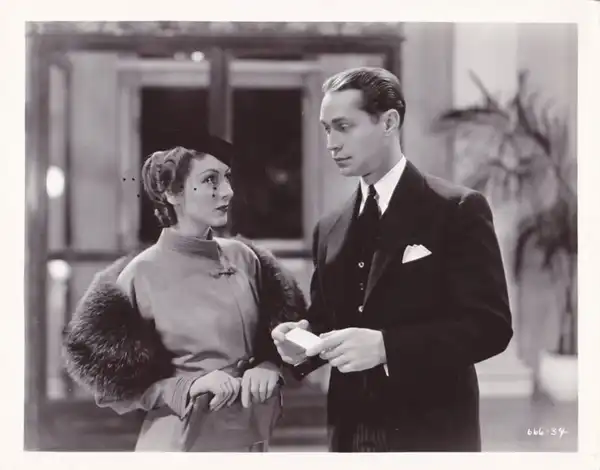
Then, BAM. Car accident. He’s laid up, nearly dies. And when he comes out of it, he's a completely different person. It's like a switch flipped. He talks about seeing an angel, Gabriel, telling him what to do. The movie plays this *very* straight, no winking at the camera. It’s wild.
Huston’s transformation here is the main event. Before the crash, he’s all smiles and easy charm. After? He’s got this intense stare, a rigid posture. He starts firing his old buddies left and right. There's a scene where he dismisses his entire cabinet, one by one, with just a few sharp words. Their faces, just stunned, are kinda priceless. He's not asking; he's *telling* them they're done. 😳
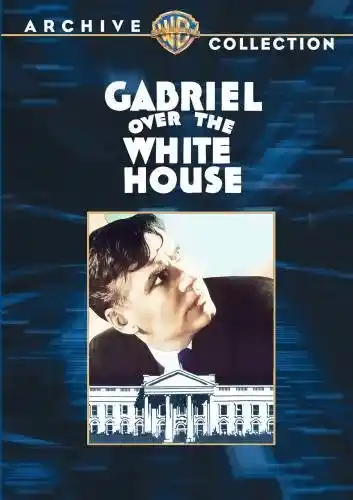
He then sets about fixing the Depression with, well, some pretty extreme measures. He declares martial law to deal with unemployment. Just like that. No debate. He calls on all the unemployed to sign up for a national service corps, basically. And if they don't, they're in trouble. The crowd scenes showing these men marching, looking all orderly, have this unsettling vibe. You can almost feel the movie trying to convince you this is the only way.
One moment that really stuck with me is when he confronts a bunch of gangsters. He gives them this ultimatum, live by the law or… well, *else*. And he backs it up. It’s less a legal process and more a strongman flexing his power. The film definitely leans into the idea that a *strong hand* is needed, no matter the cost to democratic process. It’s a bit chilling to watch now, honestly.
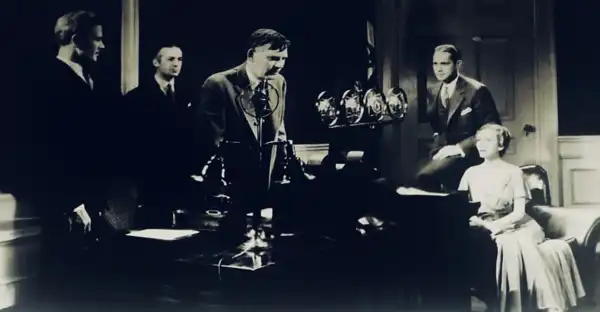
And then there's the international stuff. He brings all the world leaders to Washington. They argue, they bicker, they can't agree on anything. So, he just tells them, 'No more war.' He dissolves all armies, creates a world police force under *his* command. The arrogance of it is amazing, but again, the movie presents this as perfectly sensible, even divinely inspired.
Jean Parker plays his niece, Alice. She's supposed to be his conscience, I guess, or at least the human element. She tries to get him to slow down, to be less of a dictator, but he just brushes her off. Her concerns are usually met with a stern look. It’s a good contrast, showing how far he’s gone, but she doesn't really get to do much beyond react. Karen Morley as his secretary, Miss Hartley, has a more interesting, if small, role. She starts out kinda smitten, then gets increasingly worried. You can see it in her eyes, this slow dawning realization that maybe this isn't all good.
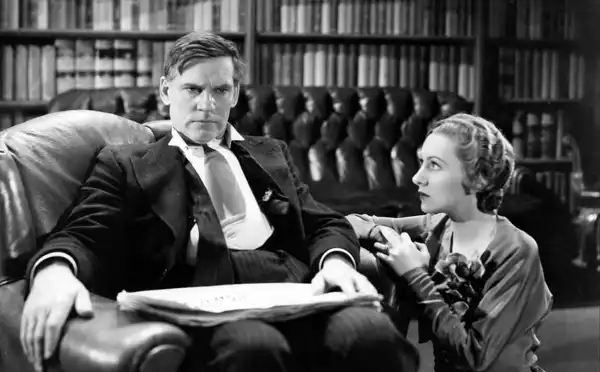
The pacing is quick, especially for a film of this era. Things happen fast. There isn’t a lot of dwelling on consequences, just on his decisive actions. It almost feels like a propaganda film for a certain kind of authoritarianism, even if it was meant to be inspirational. It doesn't really ask *if* this is a good idea, just shows it happening.
A small, almost funny detail: the press conferences. He’s just so… *imperious*. The reporters are just sitting there, taking notes, completely cowed. No tough questions, no pushback. It’s a fantasy version of the media, for sure.
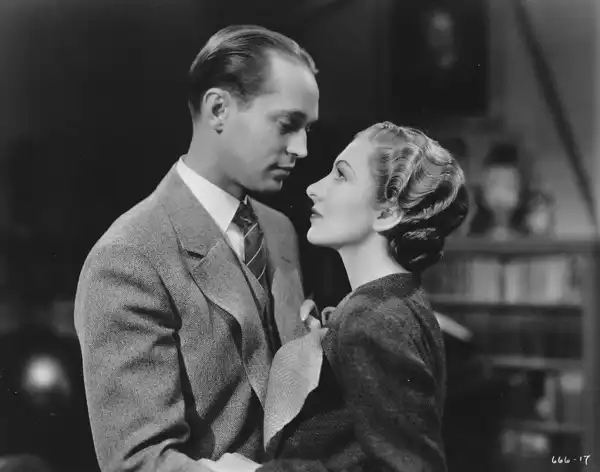
This film is a fascinating time capsule. It shows a deep yearning for someone, *anyone*, to come in and just fix things during a desperate time, even if that means throwing out the rulebook. It's bold, it’s strange, and it definitely leaves you with a lot to chew on. Not exactly a feel-good movie, but a really thought-provoking one if you can stomach its… unique political solutions. Definitely worth a watch for historical context or just a peek at some *very* unconventional storytelling from the early 1930s. 🍿
IMDb 6.7
1919
Community
Log in to comment.