DbcultAccessing Vault...
6.7/10
Senior Film Conservator
A definitive 6.7/10 rating for a film that redefined the boundaries of cult cinema. Passion remains a cornerstone of transgressive art.
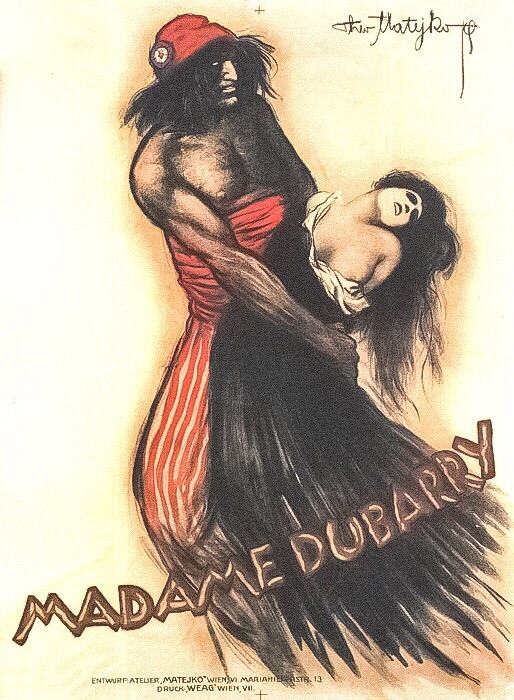
Ernst Lubitsch's "Passion" erupts onto the screen not as period drama but as operatic historiography, transforming the familiar contours of Madame DuBarry's biography into a tactile exploration of power's seductive corrosion. Pola Negri's entrance as Jeanne Vaubernier (later DuBarry) establishes the film's visual grammar: we first glimpse her through a milliner's window, fingers dancing across hat forms like a composer at her piano. This working-class framing proves essential - Lubitsch constantly contrasts aristocratic artifice with proletarian pragmatism, establishing the film's central dialectic before a single revolutionary banner appears.
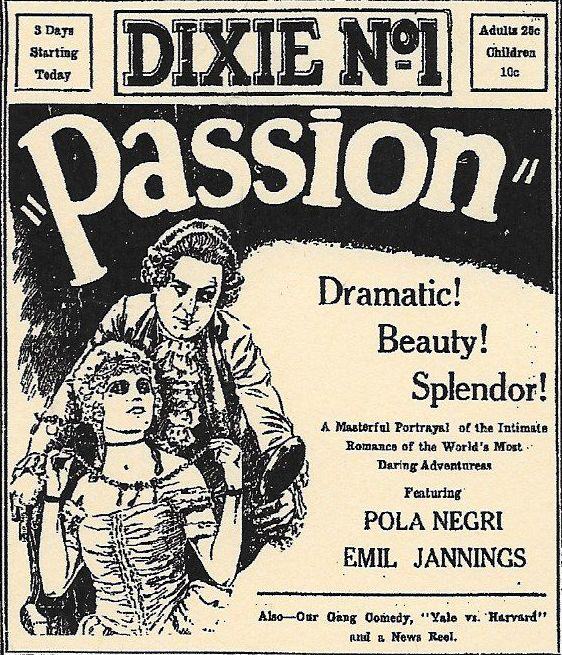
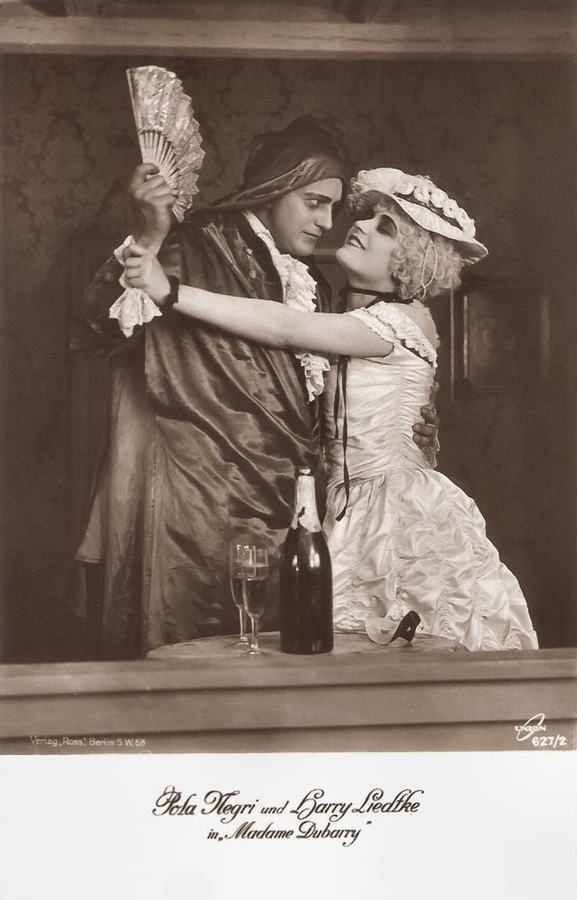
Negri's performance operates on three distinct planes: the tactical seductress calculating angles of advancement, the unexpectedly vulnerable woman craving genuine affection, and finally the historical archetype embodying an era's decadence. Watch how her body language shifts when moving between lovers. With Armand (Harry Liedtke), her posture softens into genuine affection - their clandestine meetings feature the film's most naturalistic gestures, fingers intertwining with unguarded tenderness. Contrast this with her scenes with Louis XV, where every movement becomes calculated performance: the precisely timed turn of a wrist when accepting a jewel, the strategic deployment of a bare shoulder during political negotiations. Emil Jannings' monarch responds in kind, his initially robust presence literally crumbling scene by scene - a monarch decaying in sync with his regime.
The director's emerging "touch" manifests not in comedy here but in spatial politics. Versailles feels less like a palace than an ornate prison, its endless corridors captured through foreboding low angles that transform gilded ceilings into crushing weight. Lubitsch employs a radical (for 1919) depth staging where revolutionaries plot in shadowed foregrounds while oblivious aristocrats waltz in distant ballrooms. This compositional tension peaks during the Diamond Necklace Affair sequence: as courtiers preen over jewels in a medium shot, the blurred background reveals servants exchanging knowing glances that telegraph the coming uprising. Unlike the confined theatricality of contemporaries like "Den Vanærede", Lubitsch's camera insists on contextualizing personal drama within historical momentum.
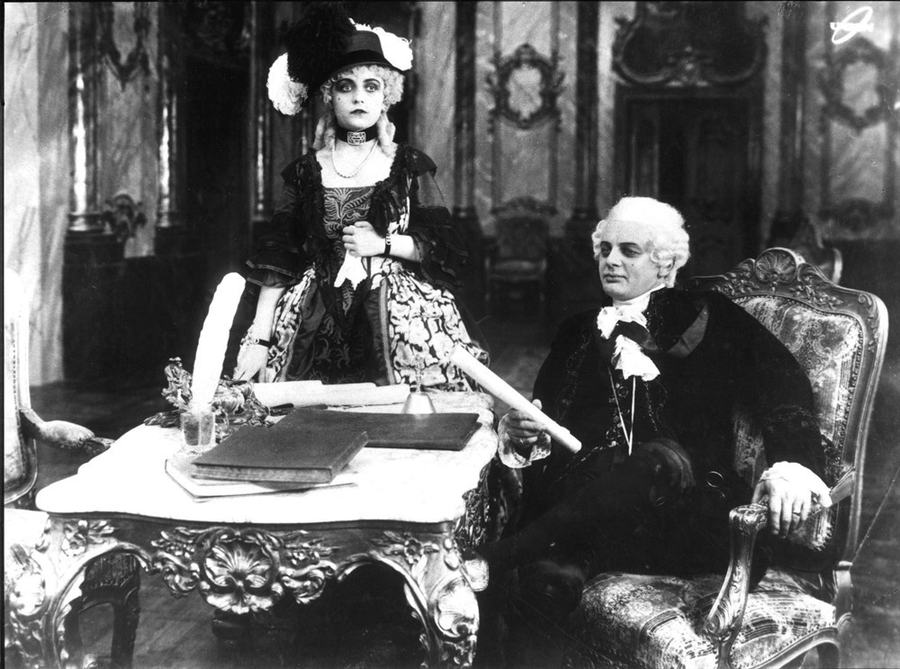
Costume designer Ali Hubert crafts sartorial narratives that parallel DuBarry's trajectory. Early scenes feature her in modest fabrics with subtle floral patterns - ambition camouflaged in bourgeois respectability. After catching the king's eye, her wardrobe undergoes explosive transformation: a peacock-blue gown with three-foot-wide panniers that literally requires servants to navigate doorways, later a silver lamé creation resembling liquid mercury. This culminates in her revolutionary trial costume - deliberately plain yet cut with such precision that it radiates defiance. The sartorial journey mirrors her societal journey: constrained→ostentatious→essentialized. Modern viewers will recognize this visual storytelling technique refined in later epics like "A Perfect 36", but rarely with such psychological precision.
Lubitsch stages the storming of Versailles not as chaotic mob scene but as terrifyingly systematic deconstruction of power. Watch how the sequence builds: first, distant torchlight flickering in rain like malignant fireflies; then the eerie silence as peasants mass outside gates; finally the explosive breaching shot where the camera itself seems hurled backward by the human tide. The director films the assault with shocking physicality - aristocrats dragged from beds not with melodramatic flair but with brutal efficiency. Paul Wegener's cameo as revolutionary leader Danton provides terrifying gravity, his hulking presence contrasting with the frail nobility he overthrows. This sequence remains more visceral than the revolutionary scenes in "The Silent Voice", proving Lubitsch could weaponize crowds as effectively as he later deployed wit.
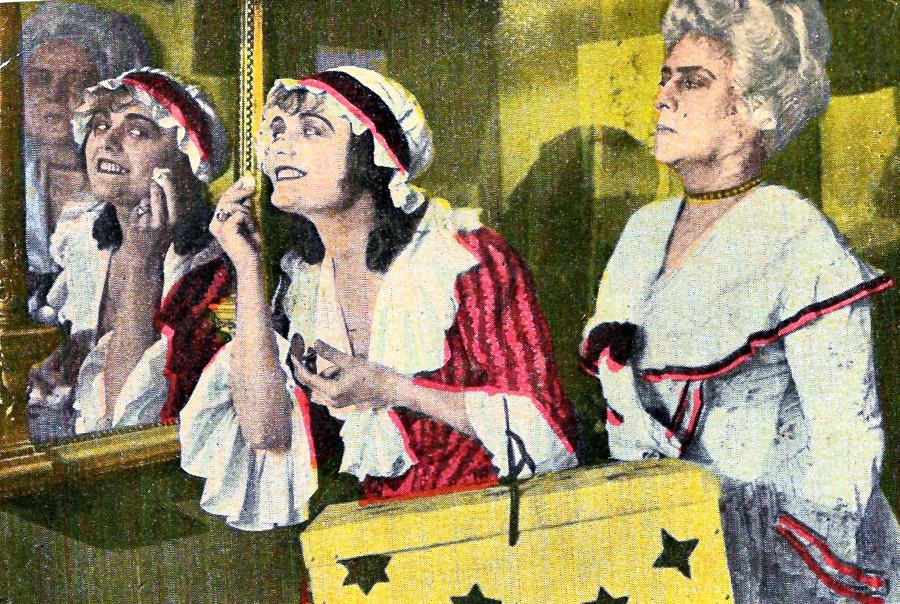
DuBarry's final act transforms historical tragedy into existential poetry. Stripped of jewels and status, Negri achieves profound dignity in her trial scene - her eyes scanning the revolutionary tribunal not with fear but anthropological curiosity. Lubitsch's masterstroke comes during her walk to the scaffold: rather than focusing on the blade, he tracks the reactions of former servants in the crowd. A laundress who once starched her lace collars now clutches bread crusts; a stable boy she once tossed coins to avoids her gaze. This collective witness becomes the film's true moral compass. As she ascends the platform, the film cuts not to her face but to her discarded shoes in the mud - empty vessels of vanished power. The ensuing crowd reaction shot holds for a devastating six seconds before fade-out, rejecting catharsis for uncomfortable contemplation.
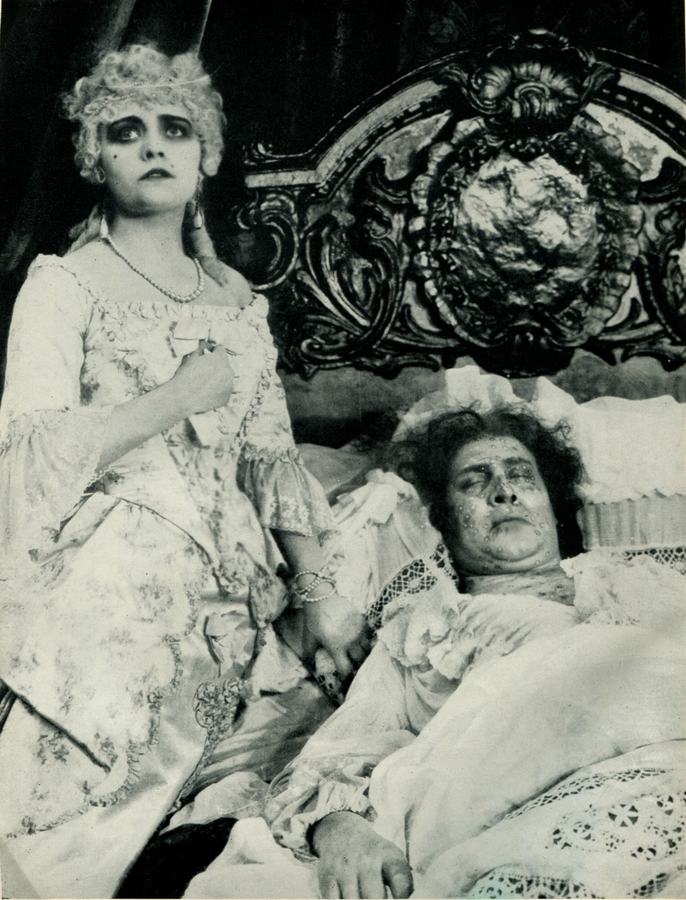
Jannings crafts Louis XV as a living memento mori, his initial robust appetites giving way to trembling infirmity. Observe his physical transformation: early scenes feature expansive gestures that command palace corridors, later reduced to clutching bed sheets while whispering state secrets. His most chilling moment comes not during political crisis but in an intimate close-up as DuBarry sings for him - we see terror flicker across his face at the realization that beauty, like his reign, is terrifyingly ephemeral. This performance blueprint would influence later monarchal portrayals from Charles Laughton to Tim Curry, but Jannings' achievement remains uniquely grounded in physical decay rather than caricature.
Lubitsch presents DuBarry's journey as a radical paradox: the more power she accrues, the more she's trapped by its mechanisms. Her famous political interventions (saving Armand from execution, influencing trade policies) reveal her intelligence, yet each victory tightens the aristocracy's resentment. The film's central tension pits her authentic self against the persona required for survival - a theme that would echo through later studio-era star vehicles like "Fine Feathers". In the mirror scene preceding her arrest, Negri performs a breathtaking transition: first adjusting her features into the coquettish mask Louis adored, then letting it collapse to reveal exhausted humanity beneath. This fleeting vulnerability makes her final dignity resonate beyond martyrdom into something resembling transcendence.
Technically, "Passion" operates at the absolute zenith of silent-era craft. Karl Freund's cinematography alternates between painterly tableaux (a moonlit garden rendezvous rendered in silvery halftones) and startlingly modern handheld shots during riot sequences. The ballroom scenes feature innovative dolly work that glides through waltzing couples like a ghostly guest. Most remarkably, Lubitsch creates acoustic imagination through visual rhythm - the metronomic click of dueling fans during a verbal duel between DuBarry and Princesse de Gramont (Marga Köhler) creates auditory illusion without sound. When compared to spatially static contemporaries like "The Jest of Talky Jones", "Passion" feels like cinema hurling itself toward new expressive horizons.
Nearly a century later, "Passion" retains shocking modernity in its complex gender politics. Lubitsch refuses to frame DuBarry as either victim or villain, instead presenting her as a strategic operator within brutally constrained choices. The film's revolutionary sequences avoid romanticizing violence while acknowledging oppression's explosive repercussions - a nuanced approach rarely seen until Gance's "Napoleon." Modern viewers will recognize seeds of future masterworks: the intimate power negotiations anticipate "Dangerous Liaisons," while the systemic critique of luxury predates "Marie Antoinette" by decades. In Negri's defiant final gaze, we see not just a woman facing mortality, but cinema itself staring down its future possibilities - fearless, flawed, and fundamentally revolutionary.
IMDb 8.4
1934
Community
Log in to comment.