DbcultAccessing Vault...
3/10
Senior Film Conservator
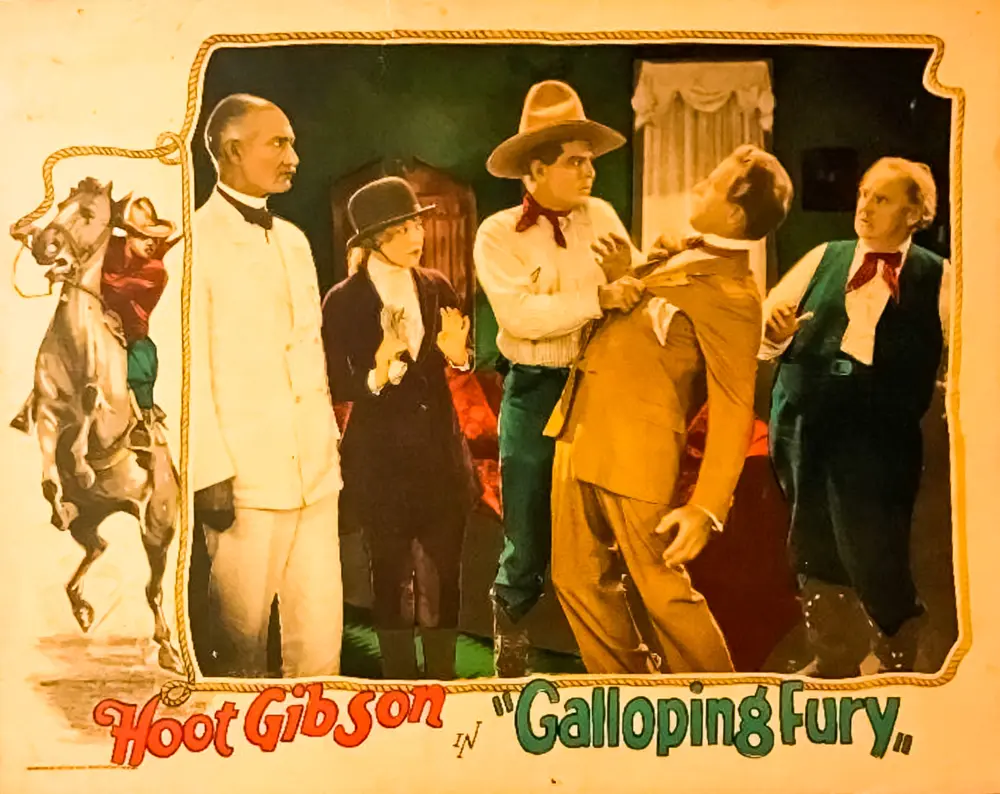
A definitive 3/10 rating for a film that redefined the boundaries of cult cinema. Galloping Fury remains a cornerstone of transgressive art.
Is Galloping Fury, a silent Western comedy from 1927, worth seeking out in the modern era? Short answer: yes, but with significant caveats. This film is a fascinating, if sometimes frustrating, relic that offers a peculiar blend of genres and an unexpectedly prescient social commentary, making it a valuable historical watch for the right audience.
This film is unequivocally for silent film enthusiasts, cinephiles interested in the stranger corners of early Hollywood, and those who appreciate a truly unconventional premise. It is decidedly not for viewers seeking a polished narrative, modern comedic timing, or deep character development. If your patience for historical cinema is thin, or if you prefer your Westerns gritty and serious, look elsewhere.
Galloping Fury is, without a doubt, one of the more unique propositions from the tail end of the silent era. Imagine a dusty Western, complete with cowboys, ranches, and the looming threat of land-grabbers, suddenly injected with the frenetic energy of a beauty pageant and the cutthroat competition of the nascent cosmetics industry. This film does precisely that, and the result is a cinematic concoction that defies easy categorization.
The narrative hook is deceptively simple: Billy Haven, a rancher, discovers a clay with miraculous beautifying properties. This isn't just a plot device; it's the entire engine of the film's conflict. The transformation from a tranquil, pastoral setting to a chaotic hub of avarice and vanity is swift and, at times, genuinely amusing. The film quickly sheds any pretense of being a conventional Western, embracing its comedic, almost farcical, nature.
What's truly striking is how relevant, almost eerily so, the core themes remain. The obsession with eternal youth and beauty, the ruthless pursuit of profit from cosmetic fads, and the sudden shift in land value due to an unexpected resource – these are elements that resonate even today. It’s a silent film that speaks volumes about human nature.
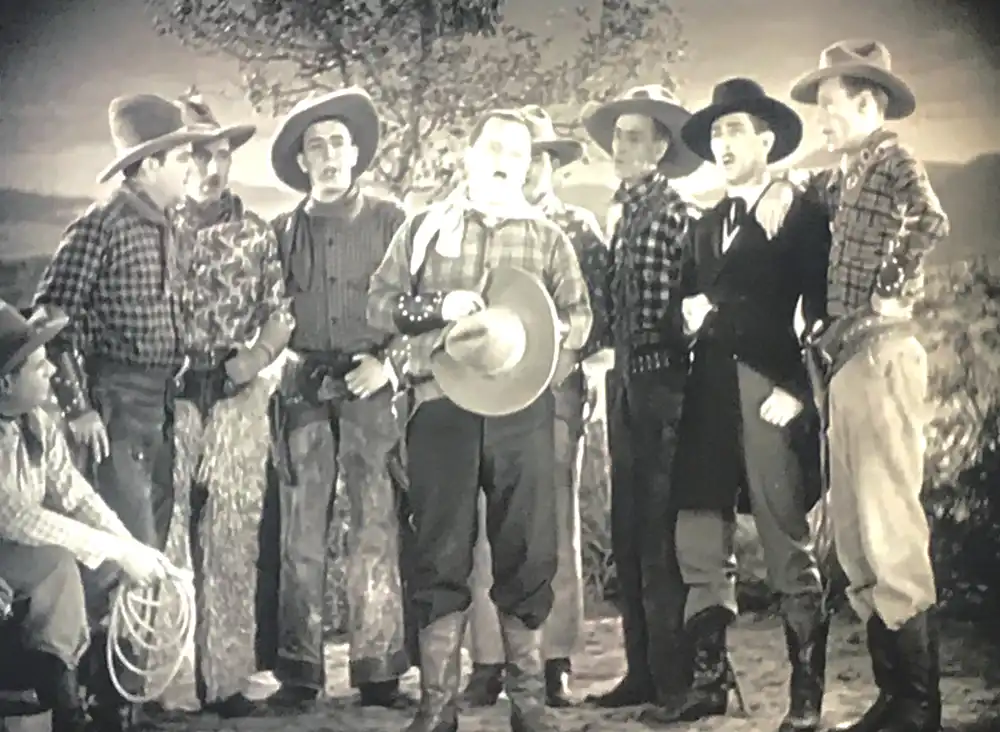
The cast of Galloping Fury, featuring names like Hoot Gibson and Sally Rand, delivers performances steeped in the theatricality common to the silent era. Hoot Gibson, a genuine rodeo champion turned screen cowboy, brings a natural athleticism and a boyish charm to Billy Haven. His reactions to the escalating chaos on his ranch, from bemused surprise to exasperated determination, are often the film's most grounded elements, offering a relatable anchor amidst the absurdity.
Consider the scene where Billy first witnesses the clay's effect. Gibson’s wide-eyed incredulity, followed by a tentative, almost scientific curiosity, perfectly sets the tone. He’s not a seasoned entrepreneur; he’s a rancher blindsided by a miracle. This understated (for silent film standards) portrayal makes his character endearing, even when the plot around him becomes increasingly outlandish.
Conversely, the supporting cast, particularly those portraying the land-grabbers and cosmetic company representatives, leans heavily into exaggerated villainy and comedic avarice. Max Asher and Edward Coxen, as the primary antagonists, employ broad gestures and intense facial expressions to convey their scheming. While effective for the period, these performances can feel a touch one-dimensional to a contemporary audience, lacking the subtle nuances we expect from modern character acting. Sally Rand, famous for her fan dance, brings a vivacious, almost predatory energy as one of the showgirls drawn to the cosmetic goldmine, her presence adding a layer of glamorous opportunism to the proceedings.
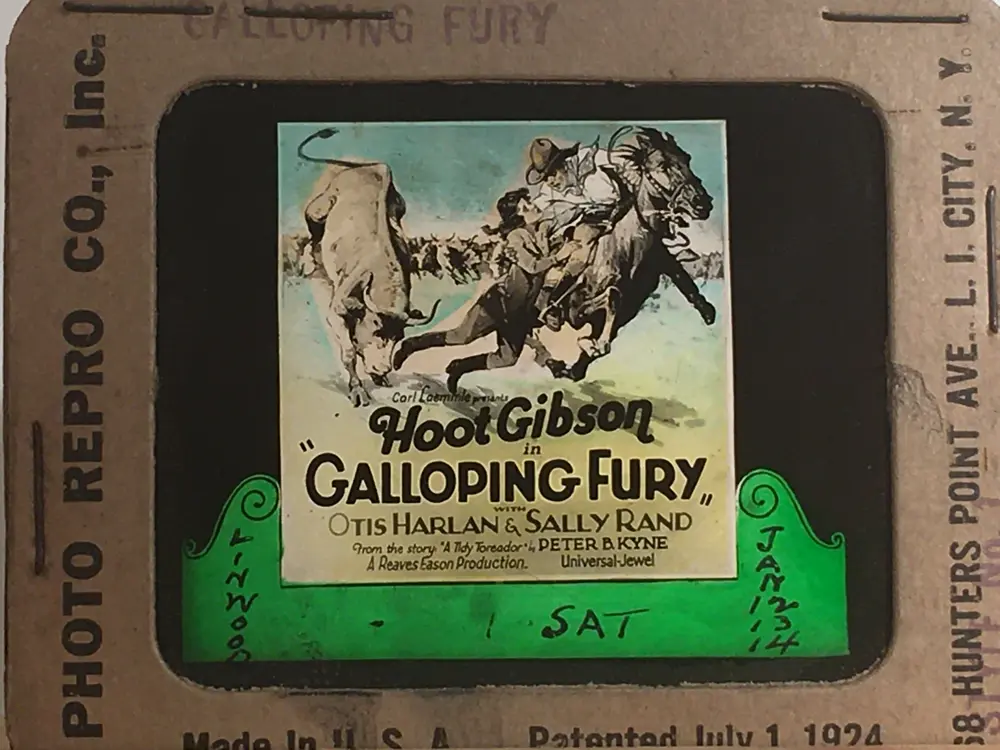
The direction in Galloping Fury navigates a challenging blend of genres. The early scenes establish a convincing Western aesthetic, with wide shots of the ranch and the open landscape, evoking a sense of space and tranquility. However, as the plot thickens and more characters arrive, the directorial approach shifts, embracing faster cuts and more frantic blocking to convey the growing pandemonium. There's a palpable sense of the director trying to keep many plates spinning, sometimes successfully, sometimes less so.
The cinematography, while not groundbreaking for its era, effectively captures the visual contrast between the rugged Western environment and the sudden influx of more 'civilized' (or perhaps, 'superficially civilized') elements. The close-ups on the faces of women applying the mud-pack, showcasing their hopeful expressions and then their delighted reactions, are particularly effective in conveying the clay's perceived power and the emotional investment in beauty. This visual emphasis on transformation is key to the film's central conceit.
One memorable sequence involves a frantic chase, a common trope in Westerns, but here it's imbued with a comedic urgency rather than genuine peril. The camera work, while not as dynamic as later action sequences, uses strategic cuts and varying shot depths to maintain momentum. It works. But it’s flawed. The limitations of silent film technology are evident, yet the filmmakers make a valiant effort to inject energy into the visual storytelling.
The pacing of Galloping Fury is its most inconsistent element. The initial discovery and the build-up of the cosmetic craze are handled with a brisk, engaging energy. However, once the full cast of opportunists descends upon the ranch, the narrative sometimes struggles to decide whether it's a comedic free-for-all, a dramatic struggle for land, or a social satire. This tonal ambiguity can lead to moments where the film drags, particularly when the various schemes and counter-schemes become overly convoluted.
An unconventional observation about this film is its surprising, almost accidental, proto-feminist undercurrent. While the film often pokes fun at vanity, it also implicitly highlights the societal pressures on women to maintain their appearance. The universal desire for the mud-pack, transcending age and social standing, becomes a subtle commentary on the pervasive nature of beauty standards, even in the roaring twenties. It’s a Western that inadvertently explores the economics of female insecurity.
The comedic tone often relies on slapstick and broad characterizations. While some gags land, like the visual of a stern-faced woman beaming after her mud-pack treatment, others feel a little too simplistic for a modern palette. The film’s attempts at humor are earnest, but the passage of time has rendered some of them less potent. This isn't necessarily a flaw of the film itself, but a natural consequence of cultural evolution.
Like any film from its era, Galloping Fury comes with its own set of strengths and weaknesses that define its viewing experience today.
Ultimately, Galloping Fury is a fascinating, if imperfect, cinematic curio. It’s a testament to the inventive spirit of silent filmmaking, daring to blend the rugged frontier with the superficiality of the beauty industry. While its comedic beats sometimes fall flat and its narrative meanders, its core premise remains remarkably compelling and surprisingly relevant. It's not a film that will convert skeptics of silent cinema, but for those already attuned to its unique charms, it offers a rewarding, often bewildering, and ultimately thought-provoking viewing experience.
I argue that its historical value, coupled with its sheer narrative audacity, outweighs its structural imperfections. It’s a film that demands a certain patience, but rewards it with a glimpse into a truly unique corner of cinematic history. Don't expect a masterpiece, but do expect something you've never quite seen before. It's a testament to the fact that even nearly a century ago, filmmakers weren't afraid to get weird.
IMDb —
1921
Community
Log in to comment.