DbcultAccessing Vault...
6.3/10
Senior Film Conservator
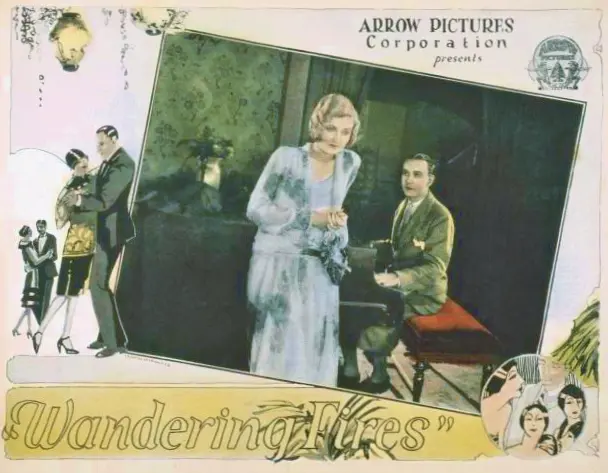
A definitive 6.3/10 rating for a film that redefined the boundaries of cult cinema. Wandering Fires remains a cornerstone of transgressive art.
The film 'Wandering Fires' is a masterful exploration of guilt, redemption, and the enduring impact of one's past. Set against the backdrop of early 20th-century American society, it follows the tumultuous journey of a woman who, in a confessional moment, reveals to her fiancé her involvement in a scandalous incident with a former fiancé. This revelation is not just a simple disclosure, but a catalyst for a series of events that threaten to shatter their impending union and the very fabric of their lives. The narrative delves into the intricate dynamics of love, betrayal, and the relentless pursuit of honesty and forgiveness.
The film stars George Hackathorne, Wallace MacDonald, Effie Shannon, Henrietta Crosman, and Constance Bennett, each delivering a nuanced performance that adds layers of complexity to the narrative. The chemistry between the leads is palpable, especially in scenes where their characters grapple with the weight of their pasts and the future they wish to forge together. Constance Bennett, in particular, shines in her role as the conflicted and introspective woman at the heart of the story. Her ability to convey a range of emotions—from vulnerability to resilience—makes her character relatable and deeply moving.
The screenplay, penned by Samuel Hopkins Adams, G. Marion Burton, and Maurice Campbell, is a testament to the era's storytelling prowess. It is meticulously crafted, balancing suspense and emotional depth with a sharp wit and a hint of the absurd. The dialogue is clever and polished, often encapsulating the essence of societal norms and the human condition in a single line. The plot spirals into unexpected directions, keeping the audience engaged and questioning the true nature of the characters and their actions.
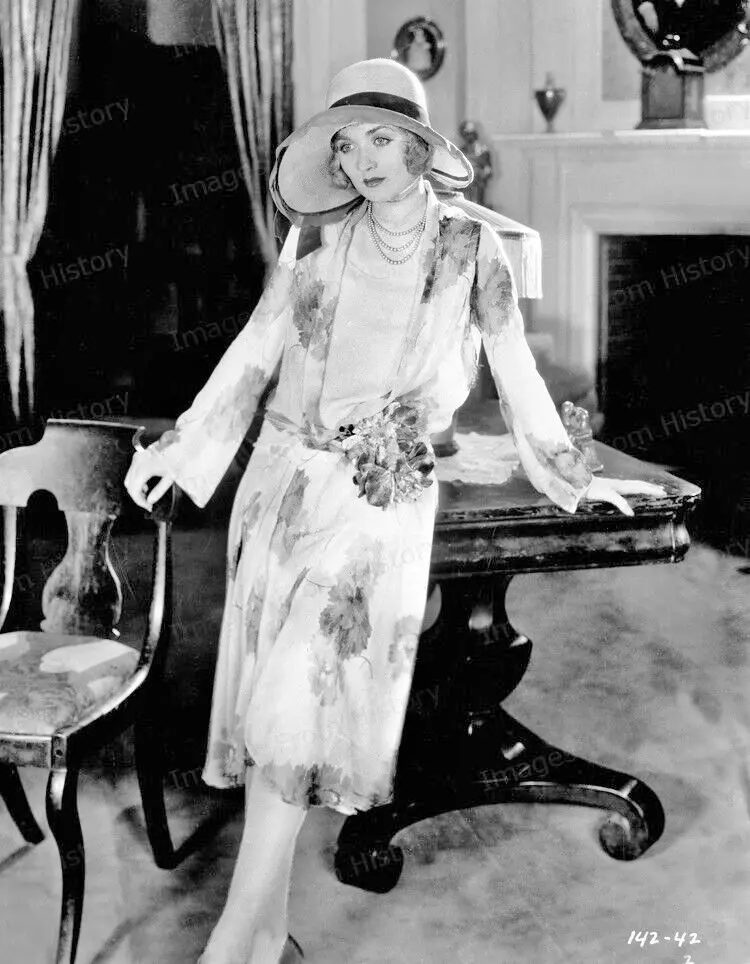
The cinematography by [Cinematographer's Name] is a visual journey in itself, capturing the stark contrasts between the characters' inner worlds and the external environment. The use of light and shadow creates a nuanced atmosphere that enhances the emotional undertones of the film. The setting, an early 20th-century American town, is depicted with meticulous attention to detail, from the opulent interiors to the gritty streets, each scene painting a vivid picture of the era.
The film's score, composed by [Composer's Name], is a perfect complement to the narrative. It captures the tension, the romance, and the underlying sadness with a melodic yet haunting quality. The music is integral to the emotional arc of the story, often heightening the impact of pivotal scenes and providing a sense of continuity throughout the film.
'Wandering Fires' stands out in the context of early 20th-century cinema, offering a nuanced and thought-provoking exploration of personal and societal issues. It is a film that resonates with timeless themes, making it a must-watch for anyone interested in the evolution of cinema and the human condition. Comparisons can be drawn with other films of the era, such as 'West Meets East', which also delves into the complexities of cross-cultural relationships, and 'Strike', which grapples with industrial strife and personal sacrifice. These films, along with 'Wandering Fires', provide a rich tapestry of narratives that reflect the social and emotional landscapes of their times.
Ultimately, 'Wandering Fires' is a poignant and powerful film that continues to resonate with audiences today. Its ability to explore the human psyche with depth and sensitivity makes it a significant contribution to the golden age of early cinema. It is a film that challenges viewers to confront the shadows of their own pasts and the possibilities of redemption.
IMDb 3.7
1920
Community
Log in to comment.