DbcultAccessing Vault...
Cult Review
Senior Film Conservator
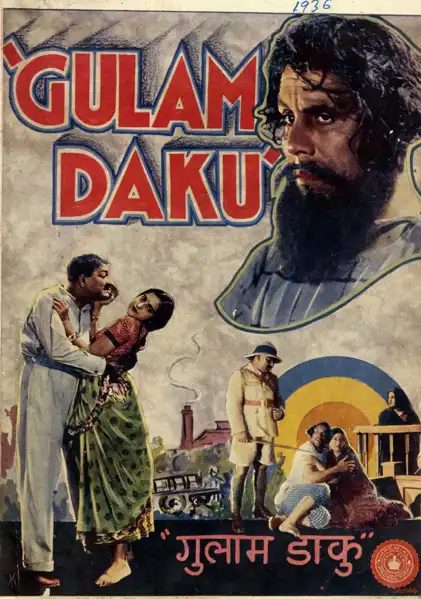
Honestly, only if you have a massive soft spot for black-and-white regional dramas that feel like they were filmed in someone’s backyard. If you prefer sleek pacing or anything resembling modern editing, you’re going to hate this. It’s slow, it’s creaky, and it demands you just go with the flow.
I found myself squinting at the screen for the first twenty minutes just trying to figure out who was supposed to be the hero. Ghaznavi shows up with this look of intense, brooding confusion that never really leaves his face. It’s kind of hypnotic, in a weird way.
There’s a specific kind of grainy texture to Gulam Daku that makes you feel like you’re breathing in actual dust. You can practically hear the camera gears grinding away in the background. It reminds me a bit of the rough-around-the-edges feel in The Nightingale, where the atmosphere does way more heavy lifting than the script.
The dialogue? It’s sparse. Sometimes characters just stare at each other for ten seconds too long before someone finally drops a line about honor or betrayal. It’s awkward, but it’s real. You get the sense that they were just happy to get the shot in the can before the sun went down.
There’s no real polish here. The transitions are jagged, like they cut the film with rusty scissors. But there’s something charming about that. It isn’t trying to be a masterpiece. It’s just trying to be a story about a guy in a bad spot.
It’s not as polished as some of the other stuff from that period, like Lord Camber's Ladies, but it’s got grit. I found myself thinking about the lighting choices long after I clicked stop. Why was that one shadow so long? Who cares. It worked.
Don't look for deep meaning. Don't look for fancy camera work. Just look at the faces. People had a different way of moving back then—everything felt heavier, more deliberate. Maybe that’s just the film stock talking. 🎥