DbcultAccessing Vault...
Cult Review
Senior Film Conservator
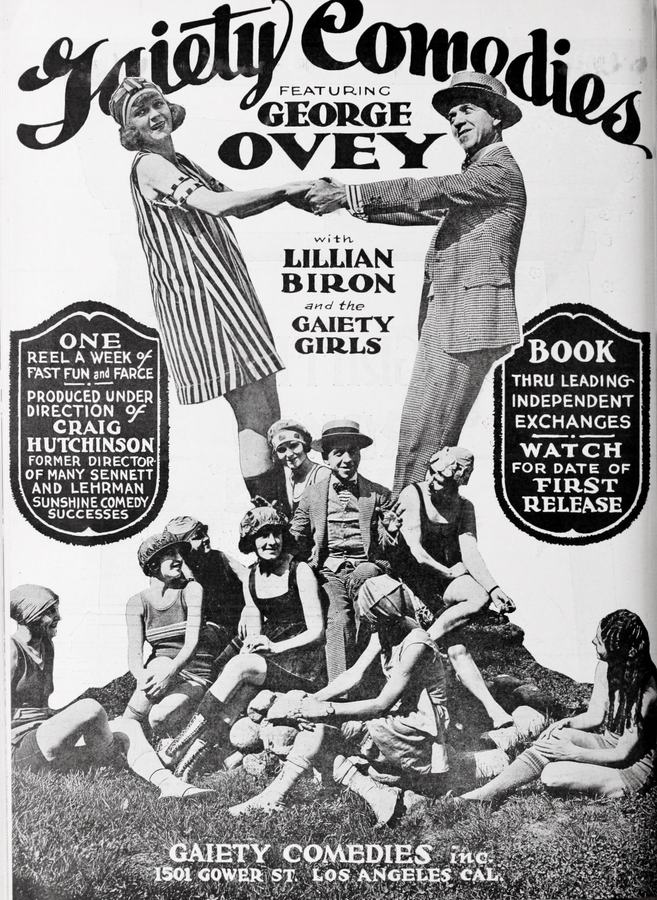
There’s a certain kind of cinematic alchemy that only the early days of filmmaking could truly conjure. A raw, unvarnished intensity, often amplified by the absence of spoken dialogue, forcing performers and storytellers to convey oceans of emotion through gesture, expression, and the sheer power of narrative. 'His Fatal Bite', a film that lingers in the memory long after its final frame, is a prime example of this potent craft. It’s not merely a story; it’s an excavation of the soul, a stark portrayal of how the tendrils of a forgotten past can strangle a meticulously constructed present.
At its core, this is a drama steeped in the grand traditions of melodrama, yet elevated by a psychological acuity that feels remarkably modern. We are introduced to Eleanor Vance, brought to life with an almost unbearable fragility and underlying steel by the incomparable Lillian Biron. Eleanor is, on the surface, the epitome of societal grace: beautiful, refined, and engaged to a man of considerable standing. Her life appears to be a perfectly manicured garden, every bloom in its rightful place, every path neatly swept. Yet, beneath this veneer of tranquility, a subterranean current of anxiety perpetually churns. Biron communicates this internal tempest with an artistry that transcends the medium, her eyes, often downcast, betraying a profound weariness, a knowledge of shadows lurking just beyond the periphery of her carefully curated existence.
The narrative, penned by the perceptive Scott Darling, masterfully orchestrates the inevitable collision of Eleanor's past and present. The catalyst for this impending disaster is the re-emergence of George Ovey's character, a figure who embodies both a dangerous charm and a ruthless opportunism. Ovey’s portrayal is a study in calculated menace; his smile, though outwardly genial, carries the distinct chill of a predator. He is the ghost from Eleanor’s former life, a lover from a time when she was perhaps less guarded, more impulsive, and certainly less aware of the unforgiving gaze of society. Their history, shrouded in clandestine encounters and desperate promises, now threatens to erupt, promising to incinerate everything Eleanor has painstakingly built.
The film’s genius lies in its exploration of the 'fatal bite' — a metaphorical laceration that is far more insidious than any physical wound. It’s the slow, agonizing realization that one’s destiny is no longer one’s own, that the choices of yesterday have forged an unbreakable chain to a calamitous tomorrow. This isn't merely a tale of blackmail, though that element is undeniably present and drives much of the immediate tension. It’s a deeper meditation on societal hypocrisy, the unforgiving nature of reputation, and the crushing weight of a secret that festers. Eleanor’s agony is palpable; we witness her desperate attempts to parry Ovey’s psychological thrusts, to protect her fiancé from the sordid truth, and ultimately, to preserve her very sense of self from annihilation.
Lillian Biron's performance here is nothing short of a masterclass. She navigates the complex emotional landscape of Eleanor Vance with breathtaking precision. From the subtle tremor of a hand to the sudden, anguished widening of her eyes, every gesture is imbued with meaning. One can almost feel the constriction in her chest, the frantic beating of her heart as Ovey tightens his grip. Her portrayal is not one-dimensional; it’s a nuanced exploration of a woman caught between her past desires and her present obligations, a testament to her profound understanding of human vulnerability. In many ways, her performance evokes the quiet strength seen in films like The Courage of Silence, where characters are forced to confront uncomfortable truths, and the emotional burden becomes a central pillar of the narrative. Biron's Eleanor, like those figures, carries the weight of her world with a silent, harrowing grace.
Scott Darling’s screenplay is remarkable for its intricate plotting and character development, particularly given the narrative constraints of the era. He doesn't shy away from the moral ambiguities of his characters, allowing them to exist in a shades-of-gray world that feels refreshingly authentic. The tension builds incrementally, a slow, inexorable march towards an inevitable climax that is both devastating and cathartic. The film doesn’t spoon-feed its audience; instead, it invites them to participate in Eleanor's psychological torment, to feel the suffocating pressure of her predicament. The writing ensures that even Ovey, despite his villainous role, possesses a certain magnetic quality, making his presence all the more terrifying because he is not merely a caricature of evil, but a man driven by his own twisted desires and grievances.
While the directorial hand is not explicitly credited in available information, one can infer a keen understanding of visual storytelling. The framing, the use of close-ups to emphasize Biron’s expressive face, and the staging of confrontations between Eleanor and Ovey all contribute to an atmosphere of heightened drama and claustrophobic tension. The film relies heavily on the actors' ability to convey internal states without dialogue, a skill that was paramount in the silent era, and in this regard, 'His Fatal Bite' excels. The visual language speaks volumes, mirroring Eleanor's internal struggle with external manifestations of her despair – a discarded glove, a furtive glance, a moment of profound solitude in a crowded room. This careful orchestration of visual cues is reminiscent of the meticulous scene construction one might observe in films like The Hater of Men, where the environment and character interactions contribute significantly to the overall emotional impact.
The themes explored in 'His Fatal Bite' resonate with an enduring power. It’s a stark reminder that the past is never truly past; it merely lies dormant, awaiting the opportune moment to reassert its claim. The film delves into the societal pressures placed upon women of a certain standing, the expectation of impeccable virtue, and the severe penalties for any perceived transgression. Eleanor's struggle is not just personal; it's a reflection of broader societal anxieties and hypocrisies. Her plight highlights the double standards often applied, where a man's indiscretions might be forgiven or overlooked, while a woman's could lead to utter ruin. This thematic depth elevates the film beyond mere entertainment, transforming it into a poignant social commentary that, even today, retains its biting relevance.
Comparing 'His Fatal Bite' to other cinematic works of its time offers further insight into its unique qualities. While films like Blackie's Redemption might explore the possibility of escaping a criminal past, 'His Fatal Bite' plunges into the more insidious realm of social disgrace and the impossibility of true absolution. Eleanor's 'redemption,' if it can be called that, comes at an immeasurable cost, a stark contrast to the more hopeful narratives of its contemporaries. Similarly, where films like Stolen Hours might focus on illicit affairs as a fleeting escape, 'His Fatal Bite' portrays the long-term, devastating repercussions, emphasizing how those 'stolen hours' can ultimately steal an entire future.
The film’s pacing, a crucial element in silent cinema, is meticulously controlled. The early scenes build a sense of foreboding, a quiet dread that permeates Eleanor's seemingly perfect life. The re-introduction of Ovey accelerates this, transforming the narrative into a taut psychological thriller. The audience is kept on edge, anticipating the inevitable exposure, the moment when Eleanor's carefully constructed world will shatter. This skillful manipulation of tension is a hallmark of strong storytelling, ensuring that the emotional stakes remain incredibly high throughout the runtime. The climax, when it arrives, is not a sudden explosion but a devastating implosion, a testament to the cumulative pressure that has been building since the very first frame.
The enduring legacy of 'His Fatal Bite' lies in its ability to transcend its era. While it is undeniably a product of its time, reflecting specific social conventions and cinematic techniques, its exploration of universal human themes – guilt, fear, deception, and the relentless grip of fate – ensures its continued resonance. Lillian Biron’s performance is a particular highlight, a powerful reminder of the expressive potential of silent acting, capable of conveying profound depths of emotion without uttering a single word. Her Eleanor Vance is a character etched in the mind, a tragic figure whose struggles feel intimately real, even across the chasm of a century.
In a cinematic landscape often dominated by spectacle, 'His Fatal Bite' stands as a powerful argument for the enduring impact of character-driven drama. It's a film that asks profound questions about identity, consequence, and the unforgiving nature of a world that demands perfection while often fostering the very conditions for its downfall. It is, in essence, a masterpiece of quiet desperation, a testament to the fact that some of the most devastating stories are told not with thunderous roars, but with the silent, agonizing scream of a soul in turmoil.
IMDb —
1920
Community
Log in to comment.