DbcultAccessing Vault...
Cult Review
Senior Film Conservator
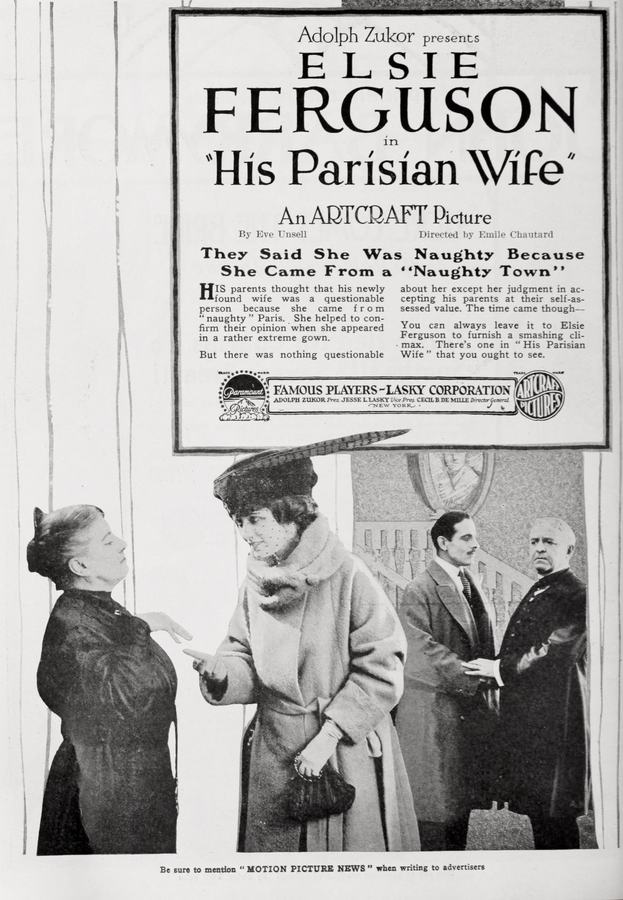
There’s a certain tragic elegance to silent cinema, a reliance on visual storytelling and the raw power of performance to convey emotions that words often fail to capture. In the annals of early film, His Parisian Wife stands as a rather profound, if often overlooked, testament to this power, offering a piercing examination of cultural friction and the often-insurmountable chasm between expectations and reality in matters of the heart. Released in 1917, this cinematic gem, penned by Andrew Soutar and Eve Unsell, takes a seemingly simple premise—a transatlantic romance—and imbues it with layers of psychological complexity, making it resonate with an almost timeless relevance.
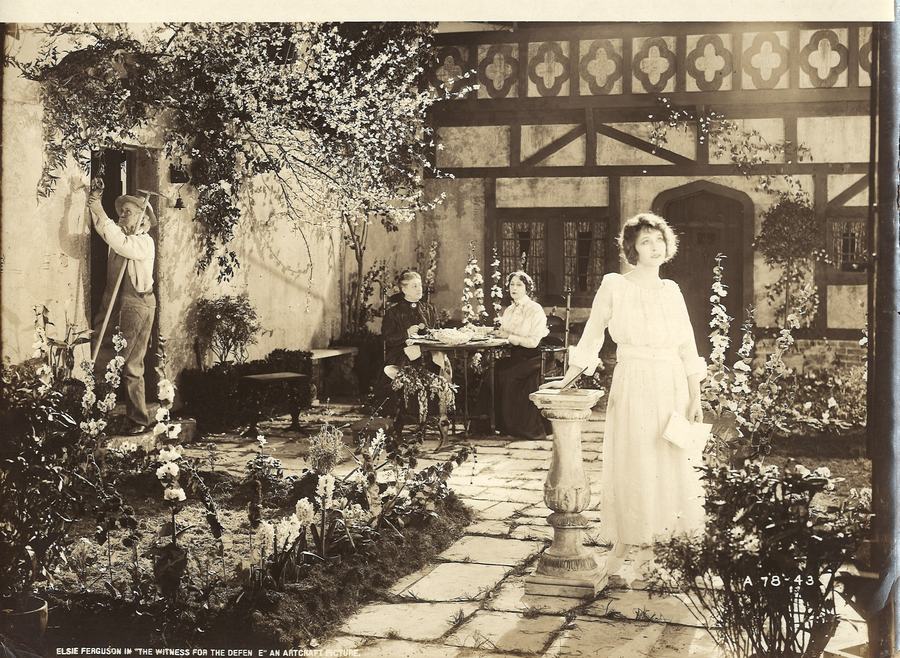
At its core, the film is a study in contrasts, a vibrant Parisian spirit colliding with the austere sensibilities of New England. We meet the enchanting French girl, a character brought to vivid life by the luminous Elsie Ferguson, whose expressive eyes and graceful demeanor convey volumes without uttering a single syllable. Her initial scenes in Paris are imbued with a delightful effervescence, painting a picture of a woman utterly at home in her world, radiating a captivating charm that naturally draws the attention of the handsome New Englander, played with a commendable earnestness by David Powell. Their courtship, though brief in cinematic terms, feels genuine, a whirlwind of romance against the backdrop of one of the world's most romantic cities. One can almost feel the heady intoxication of new love, the promise of a shared future transcending borders and cultural divides.
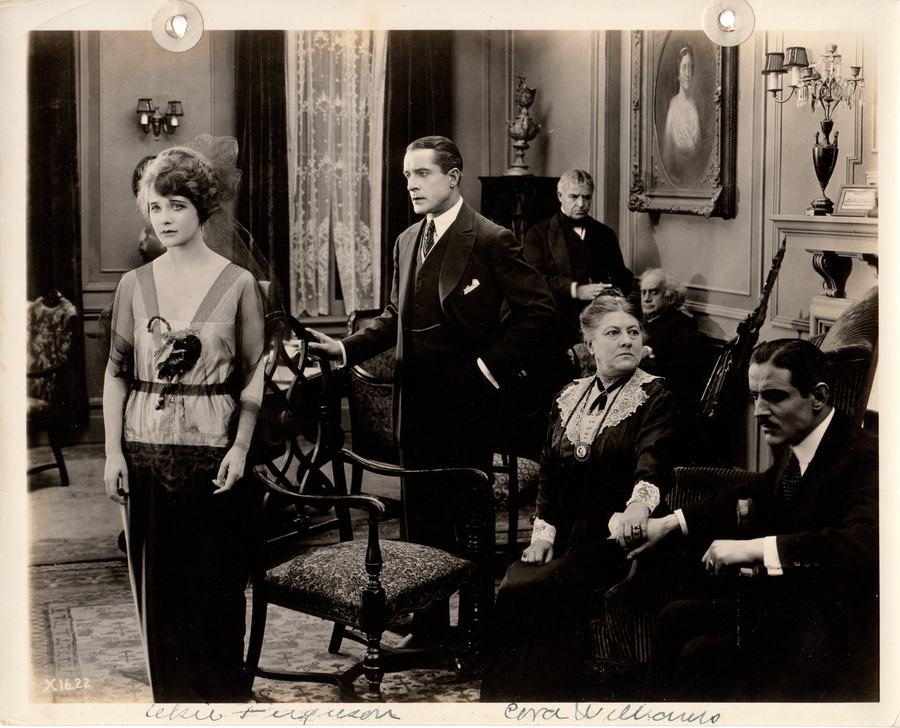
The true drama, however, commences not with their falling in love, but with their return to his ancestral home. The transition is jarring, a stark visual and emotional shift that forms the very crux of the narrative. The vibrant hues of Parisian life are replaced by the muted tones and rigid architecture of New England. Ferguson's character, initially so vivacious, finds herself a fish out of water, her every gesture, every spontaneous laugh, every sartorial choice met with a quiet, yet palpable, disapproval. This isn't a story of overt conflict, but rather a more insidious kind of alienation, a slow erosion of spirit caused by the relentless pressure of not belonging.
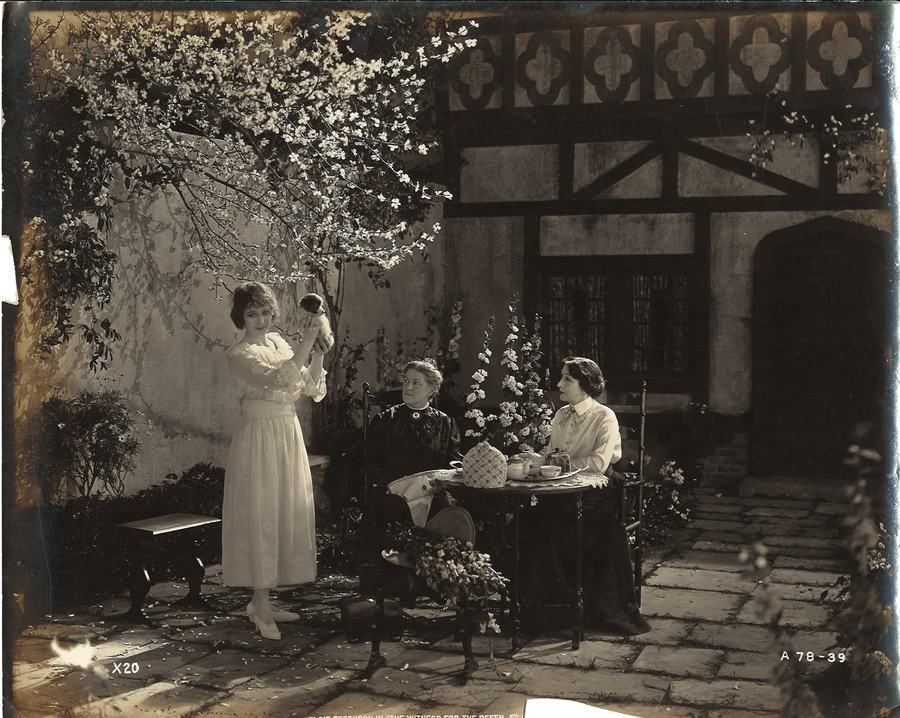
The strength of the film lies in its nuanced portrayal of this cultural clash. It avoids simplistic villainy, instead presenting characters who are products of their environment, bound by tradition and an almost unconscious adherence to societal norms. The husband's family, including the formidable matriarch (likely played by Cora Williams or Frank Losee in a stern, patriarchal role), isn't overtly cruel, but rather unyielding in their expectations. Their New England sensibilities, characterized by reserve, practicality, and perhaps a touch of provincialism, are diametrically opposed to the French girl's innate expressiveness and zest for life. This fundamental incompatibility is where the film truly shines, exploring how love, no matter how fervent, can falter when confronted with deeply ingrained cultural differences and a lack of understanding.
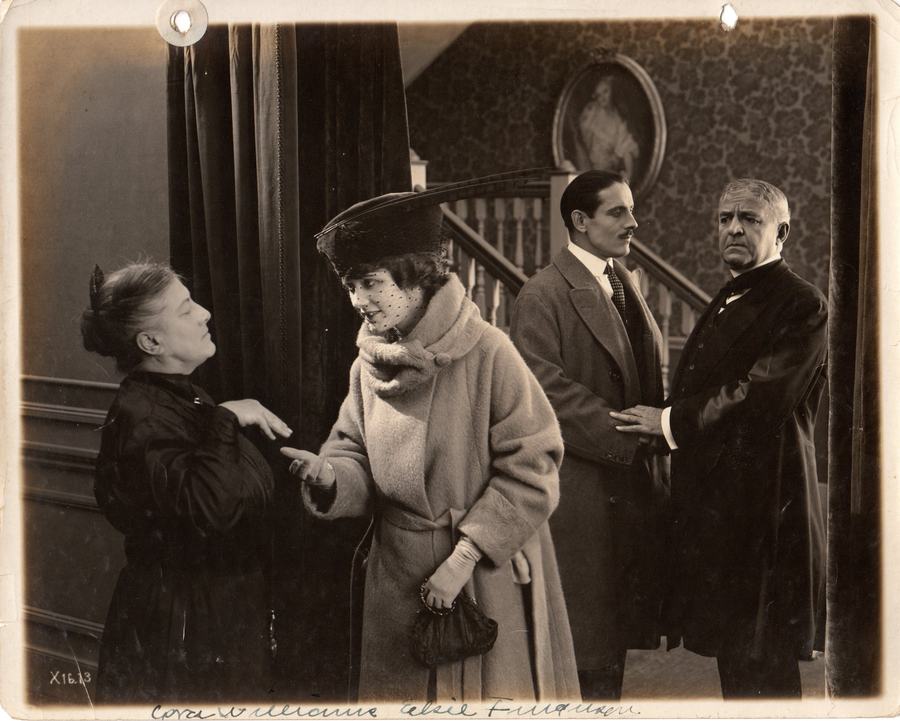
Elsie Ferguson's performance here is nothing short of masterful. She conveys the escalating despair and loneliness of her character with breathtaking subtlety. We see her initial attempts to conform, her hopeful smiles gradually fading into expressions of quiet desperation. Her eyes, once sparkling with Parisian light, slowly dim, reflecting the suffocating weight of her new reality. It’s a performance that speaks volumes about the human need for acceptance and the devastating impact of its absence. Much like the societal ostracism depicted in films like The Birth of a Nation (though in a vastly different context and with an entirely different moral compass), Ferguson’s character experiences a profound sense of being an outsider, albeit in a more intimate, domestic sphere. Her struggle is less about overt prejudice and more about a fundamental misunderstanding of her essence.
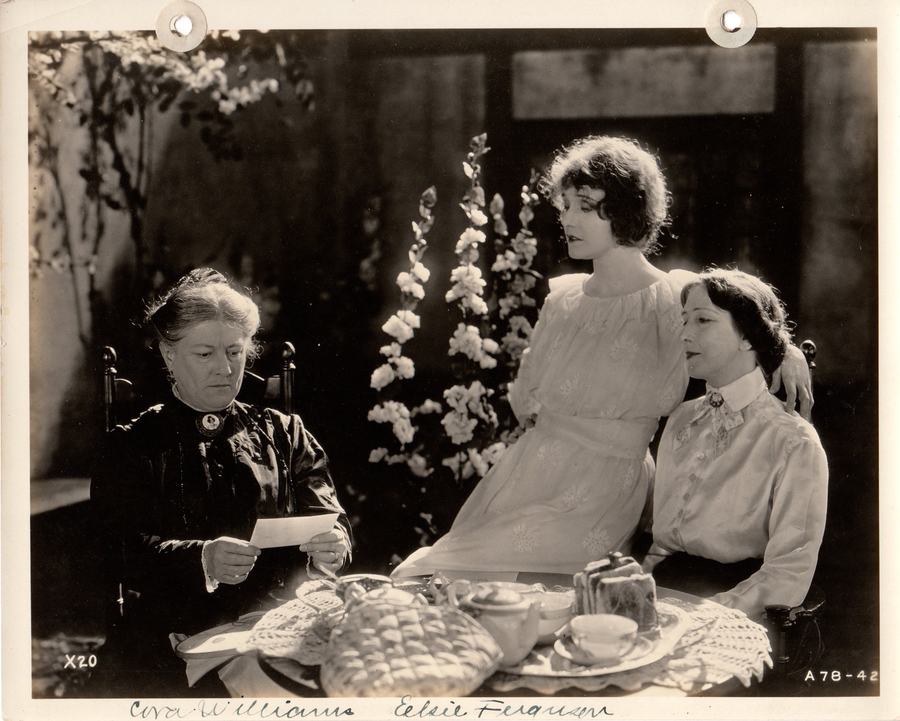
The supporting cast, while not always given the same depth of character development, serves as crucial foils to Ferguson's plight. David Powell, as the husband, embodies the tragic figure caught between two worlds. His love for his wife is evident, yet his inability to fully comprehend or defend her against the subtle pressures of his own family highlights the limitations of affection when faced with deeply entrenched traditions. One might draw a parallel to the nuanced familial pressures seen in films like Sins of the Parents, where personal desires often clash with established family codes. The performances of Courtenay Foote, Charles W. Charles, and Louis R. Grisel, though less prominent, contribute effectively to the oppressive atmosphere, each portraying a facet of the unyielding New England society that inadvertently crushes the protagonist’s spirit. The collective weight of their silent judgment is a powerful antagonist in itself.
The narrative, meticulously crafted by Andrew Soutar and Eve Unsell, avoids melodramatic excess, opting instead for a more introspective and psychologically resonant approach. They understand that the greatest conflicts often arise from internal struggles and the subtle clashes of personality and culture. Their writing provides a robust framework for the actors to build upon, allowing for the kind of emotional depth that transcends the limitations of the silent medium. Unsell, particularly, was a prolific and influential screenwriter of the era, and her touch for character and dramatic tension is evident throughout. The precision of their plot construction ensures that every scene, every interaction, contributes to the overarching theme of cultural assimilation (or rather, its failure) and the search for belonging.
What makes His Parisian Wife particularly compelling is its enduring relevance. In an increasingly globalized world, the themes of cultural integration, the challenges of cross-cultural relationships, and the search for personal identity in a new environment remain as pertinent today as they were over a century ago. The film serves as a poignant reminder that love, while powerful, is not always enough to bridge fundamental differences in worldview and societal norms. It subtly interrogates the idea of 'fitting in,' questioning whether true happiness can be found in sacrificing one's essential self for the sake of acceptance.
The visual language of the film, characteristic of its era, is surprisingly sophisticated. The contrast between the lively Parisian scenes and the somber New England interiors is not just geographical but psychological. The use of light and shadow, the composition of shots, and the subtle gestures of the actors all work in concert to build a powerful emotional landscape. While we lack the grand spectacles of a film like The Great White Trail or the intricate mystery of The Sable Lorcha, the intimacy of the domestic drama in His Parisian Wife holds its own distinct power. It’s a testament to the fact that profound human drama doesn't always require epic backdrops, but rather a deep understanding of the human condition.
One might even consider the film a precursor to later cinematic explorations of immigrant experiences or the difficulties faced by individuals trying to navigate alien social structures. While not explicitly about immigration, the core struggle of the protagonist—to adapt, to be understood, and ultimately, to retain her sense of self—echoes countless narratives across various cultures and time periods. It’s a universal tale dressed in period garb, making it accessible and emotionally resonant even for modern audiences willing to engage with the silent film format.
In conclusion, His Parisian Wife is far more than a historical curiosity; it is a compelling piece of cinematic art that speaks to the enduring complexities of human relationships and the often-painful process of cultural assimilation. Elsie Ferguson's performance alone is worth the price of admission (or, more likely, the effort of seeking out a restored print), carrying the film with a grace and emotional depth that captivates from start to finish. It’s a film that leaves a lasting impression, prompting reflection on the compromises we make for love, the power of environment to shape identity, and the quiet tragedy of a spirit slowly dimming under the weight of an unfamiliar world. For those interested in the nuanced storytelling of early cinema and the profound impact of cultural clashes on individual lives, this film offers a rich and rewarding experience. It reminds us that sometimes, the greatest love stories are not about triumph over external foes, but about the internal battles fought in the silent chambers of the heart.
IMDb 7.3
1936
Community
Log in to comment.