DbcultAccessing Vault...
5.6/10
Senior Film Conservator
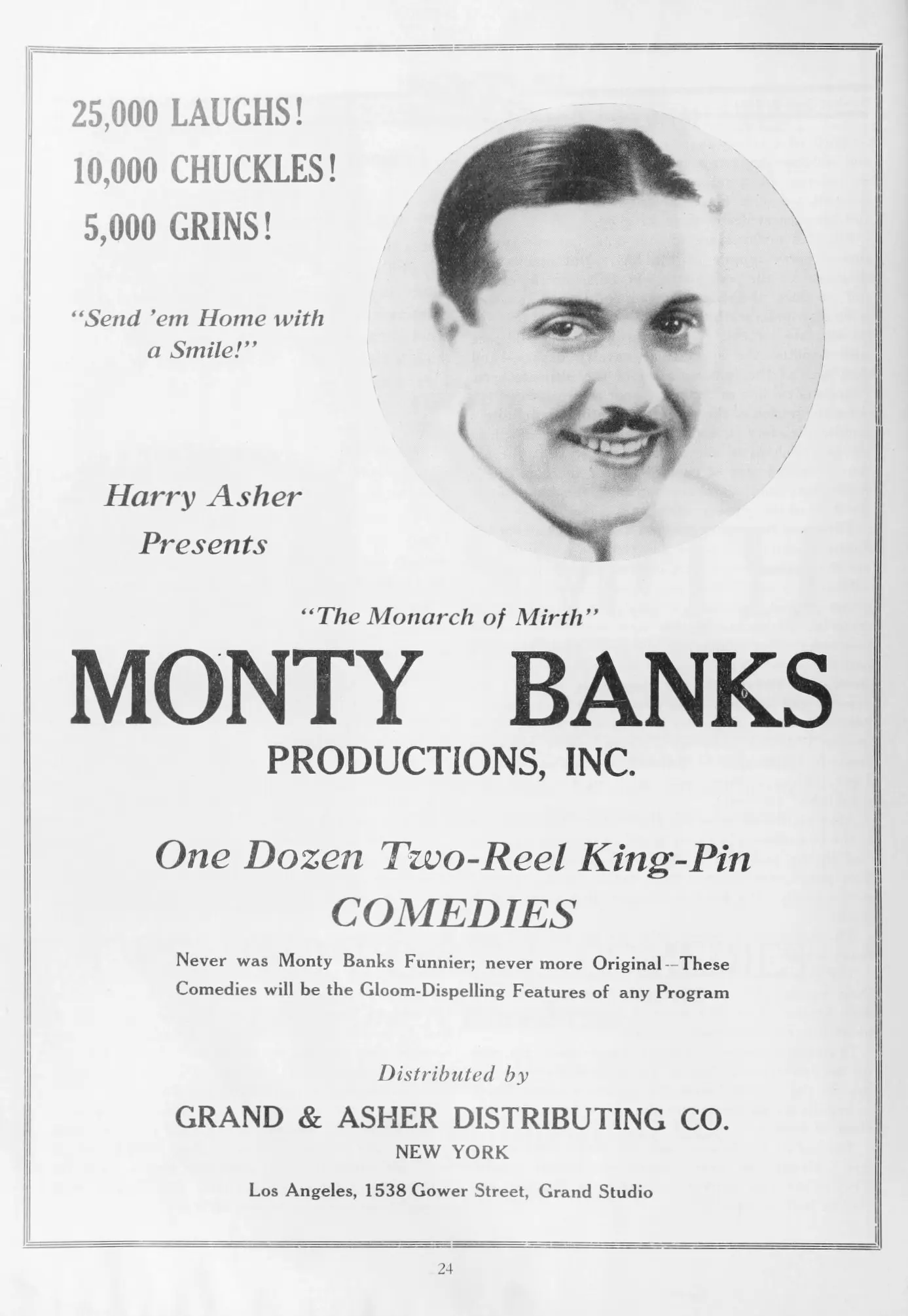
A definitive 5.6/10 rating for a film that redefined the boundaries of cult cinema. Hot Sands remains a cornerstone of transgressive art.
In the pantheon of silent cinema, few motifs are as visceral or as universally understood as the struggle against the elements. Hot Sands (1920), starring the perpetually agile Monty Banks, stands as a premier example of how environmental discomfort can be transmuted into high-octane physical comedy. The film does not merely depict a beach day; it constructs a claustrophobic, shimmering world where the sun is an antagonist and the sand is a shifting stage for human folly. Unlike the more pastoral comedies of the era, such as A Flirt There Was, Hot Sands leans into a gritty, almost surrealist brand of slapstick that feels remarkably modern in its cynicism.
The opening sequence establishes a visual vocabulary of heat that borders on the grotesque. We see the melting ice cream, a staple of the genre, but it is the introduction of the "black perspiration" that signals the film's departure from standard tropes. While contemporary audiences might find the racialized visual gags of the 1920s jarring, from a purely formalist perspective, the ink-like sweat serves as a brilliant high-contrast visual device. It punctuates the screen, creating a literal stain on the pristine white linen of the setting—a harbinger of the chaos Monty is about to unleash. This is comedy as a liquid, flowing from the bodies of the actors and staining the environment, much like the kinetic energy of Jumping Beans.
One of the most intellectually satisfying sequences in Hot Sands involves the economy of shade. Monty, suffering under the relentless glare, discovers that the only refuge is the silhouette of a corpulent man. This is silent comedy at its most architectural. The humor is derived not from a fall or a blow, but from the desperate, micro-movements required to remain within a moving shadow. It is a dance of spatial dependency. When the fat man moves, Monty must follow; when the man exits, Monty is left exposed, a metaphor for the precariousness of social standing that resonates far beyond the simple beach setting. This sequence predates similar spatial gags seen in Beach Nuts, yet Banks executes it with a specific, jittery desperation that is uniquely his own.
The transition from environmental struggle to romantic pursuit is handled with a deceptive simplicity. The introduction of the heiress and her father provides the narrative skeleton, but the meat of the film remains in the execution of the physical ruse. Monty’s decision to perform a dual-role fight—simultaneously playing the hero and the villain behind a doorway—is a masterclass in editing and performance. We see the struggle through the girl's eyes, but we also see the sweat and the frantic costume changes through the camera's objective lens. This meta-commentary on the nature of heroism is a recurring theme in the Banks filmography, often seen in works like A Yankee Go-Getter.
As the narrative moves to the hotel, the comedy shifts from the organic to the mechanical. The steamer chair sequence is perhaps the film's most famous set piece, and for good reason. It represents the ultimate failure of civilization’s comforts. Monty’s inability to unfold a simple wooden chair is not just a sign of his incompetence; it is an indictment of the over-engineered leisure of the upper class. The inclusion of the cactus plant beneath the chair adds a layer of sadistic irony—the very seat intended for rest becomes a source of acute pain.
The escalation here is relentless. The transition from the cactus to the sprinkler system demonstrates a sophisticated understanding of comedic rhythm. Just as the audience expects a resolution to the father’s discomfort, the 'heavy' (William Blaisdell) intervenes, turning the sprinkler into a geyser. The chair, now caught in the upward thrust of the water, becomes a kinetic sculpture. This type of mechanical chaos is a hallmark of the era, frequently explored in films like Up in the Air (1920), but here it feels more personal, more tied to the character's immediate survival.
The final act of Hot Sands relocates the action to a seaside amusement park, a setting that provides an infinite palette of potential hazards. The transition from the beach to the carnival is a descent into a more chaotic, man-made madness. The mallet-and-bell gag is a classic example of the 'delayed impact' comedy. Monty's attempt to position his rival under the descending blow of a carnival mallet is a dark, almost Hitchcockian use of suspense within a comedic framework. When the blow finally lands on Monty himself, the resulting 'coo-coo' state serves as a narrative reset, allowing the film to transition into the surreal world of the roller coaster and the ship swings.
The roller coaster sequence, while brief, captures the burgeoning fascination with speed and technology that characterized the early 20th century. Monty’s act of tying the heavy’s trousers to the car is a vengeful stroke of genius that strips the antagonist of both his dignity and his physical presence. This focus on the loss of clothing as a form of social death is a trope that Banks would return to in Boots. It highlights the fragility of the 'tough guy' persona, a theme that reaches its zenith in the film's concluding revelation.
The most profound element of Hot Sands is its final twist. Throughout the film, Blaisdell’s 'heavy' is presented as a legitimate threat, a rival for the girl's hand and a source of constant frustration for Monty. However, the reveal that he is actually Mike Kelly, an ex-prizefighter hired by the father to deter fortune hunters, completely reframes the preceding hour of chaos. The 'villain' was merely an employee; the 'conflict' was a paid performance. This meta-narrative layer adds a surprising depth to what could have been a simple slapstick short. It suggests that the world of the beach—and by extension, the world of the film—is a curated experience where even the obstacles are part of the service.
This subversion is reminiscent of the narrative complexity found in The Discard or the rugged character studies of Bucking Broadway. It elevates Monty from a mere victim of circumstance to a man who has unwittingly passed a test of endurance. His final walk down the beach, arm-in-arm with the girl, is not just a romantic victory; it is a triumph over a system designed to break him. The final gag—standing on a man buried in the sand—serves as a reminder that even in victory, the world remains a precarious and unpredictable place.
Technically, Hot Sands is a marvel of its time. The location shooting provides a sense of scale and atmosphere that studio-bound comedies of the era often lacked. The cinematography captures the harshness of the sunlight, creating a high-contrast aesthetic that mirrors the binary nature of the comedy (hot vs. cold, hero vs. villain, success vs. failure). The pacing is relentless, a characteristic shared with other high-energy shorts like The Blue Streak and Join the Circus.
In conclusion, Hot Sands is more than a mere curiosity of the silent era. It is a sophisticated exploration of physical limits, social artifice, and the sheer absurdity of the human condition when exposed to 100-degree heat. Monty Banks delivers a performance of remarkable stamina and comedic precision, proving himself a peer to the more famous icons of his generation. For those interested in the evolution of the gag and the history of cinematic comedy, Hot Sands remains an essential, albeit scorching, viewing experience. It is a film that, much like its protagonist, refuses to be cooled down by the passage of time.
Final Rating: A masterclass in thermal comedy and narrative subversion.
IMDb —
1933
Community
Log in to comment.