DbcultAccessing Vault...
Cult Review
Senior Film Conservator
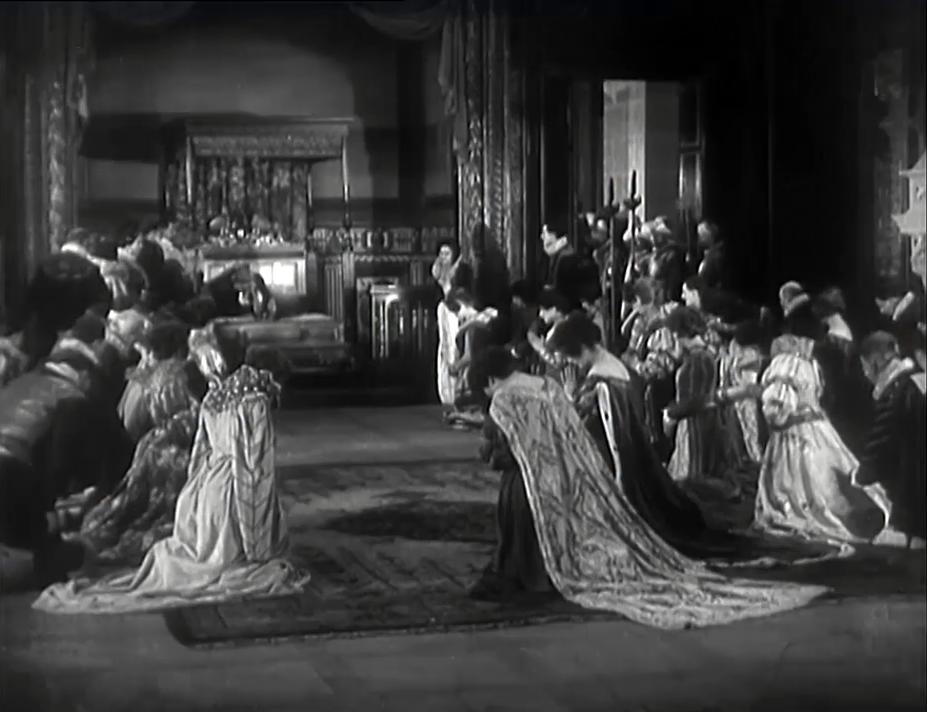
From the opening frame, the film bathes the viewer in a chiaroscuro palette that feels both sepia‑tinted and dreamlike. The cinematographer employs low‑key lighting to cast long shadows across cobblestone streets, allowing the dark orange of streetlamps (#C2410C) to flicker like dying embers against the night sky. This visual language not only establishes a palpable sense of dread but also mirrors the emotional decay of the town’s inhabitants. The occasional splash of sea blue (#0E7490) in the river’s reflection provides a fleeting sense of hope, a reminder that redemption, however elusive, might still be within reach.
Céline James, as Elise, delivers a performance that oscillates between fragile vulnerability and steely resolve. Her eyes, often glazed with the weight of unspoken sorrow, convey a depth that transcends the script’s modest dialogue. Claude Benedict’s Claude is a study in controlled charisma; his measured gestures and lingering glances suggest an agenda that is never fully disclosed until the film’s final act. Jacques Guilhène, portraying Maître Boulanger, brings a gravitas reminiscent of the magistrate in The Ladder of Lies, yet he infuses his character with a uniquely French melancholy.
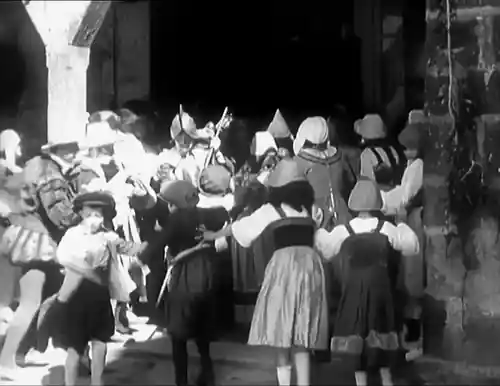
Gaston Modot’s Henri, the newspaper vendor, offers comic relief without undermining the narrative’s gravitas. His rapid‑fire delivery of gossip, punctuated by a sly grin, feels like a nod to the rapid‑cut intertitles of early silent cinema. Meanwhile, Claude Mérelle’s Madame Lenoir is a haunting presence; she drifts through scenes like a wilted rose, her silence speaking louder than any soliloquy.
Ferdinand Dugue and Auguste Anicet‑Bourgeois craft a script that weaves together multiple strands of intrigue without ever feeling contrived. The anonymous letters serve as both plot devices and thematic symbols, each accusation echoing the town’s collective conscience. The narrative’s pacing is deliberate, allowing tension to build like the slow unfurling of a flower bud. The writers’ decision to reveal Claude as the letter‑author only at the climax is a masterstroke, echoing the revelation techniques seen in The Spy (1917).
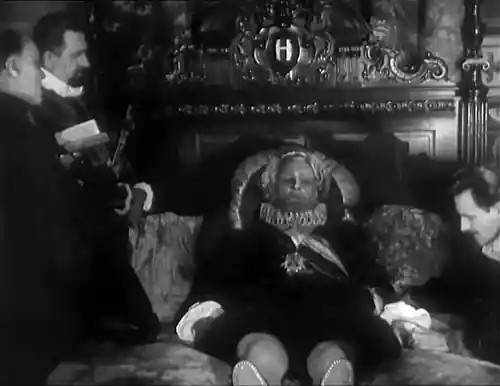
Dialogue is sparse yet potent; when characters speak, their words are weighted with subtext. The recurring motif of roses—white for purity, red for passion, black for death—acts as a visual leitmotif that reinforces the film’s central preoccupation with innocence lost.
The director’s hand is evident in the meticulous composition of each frame. The recurring shot of the river, where Elise ultimately releases the bouquet, functions as a visual refrain, tying the film’s beginning, middle, and end together. This structural echo is reminiscent of the cyclical storytelling found in Unto the End, though La Bouquetière des Innocents adopts a more poetic cadence.
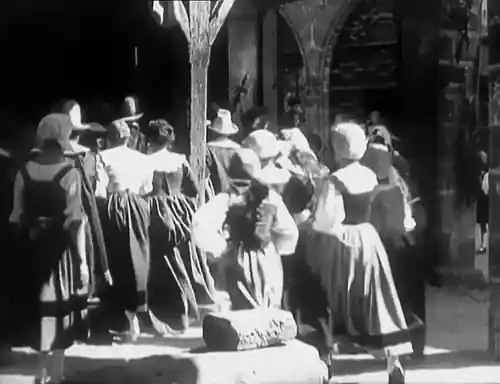
Scene transitions are achieved through dissolves that mimic the slow diffusion of perfume in a room, reinforcing the sensory motif of scent that pervades the narrative. The director also employs long takes during the town fête, allowing the audience to absorb the chaotic energy of the crowd while focusing on Elise’s solitary figure, a technique that amplifies the film’s emotional stakes.
Although a silent film, the accompanying score—performed live in many contemporary screenings—utilizes a melancholy accordion theme that weaves through the narrative like a thread of nostalgia. The occasional burst of brass during moments of revelation underscores the film’s dramatic peaks, while softer strings accompany the quieter, introspective scenes.
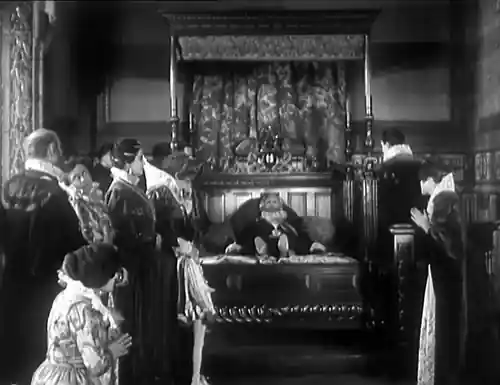
When placed alongside other period pieces, La Bouquetière des Innocents distinguishes itself through its nuanced exploration of communal guilt. Unlike the overt melodrama of The Lottery Man, this film opts for restraint, allowing the audience to infer rather than be told. Its thematic resonance aligns more closely with the moral ambiguity of The Leavenworth Case, where the pursuit of truth unravels personal identities.
The use of in‑camera effects—such as double exposure to overlay the bouquet onto the river’s surface—demonstrates a daring willingness to experiment with the medium. These techniques predate similar visual experiments in Paws of the Bear, positioning the film as a forerunner in visual storytelling.
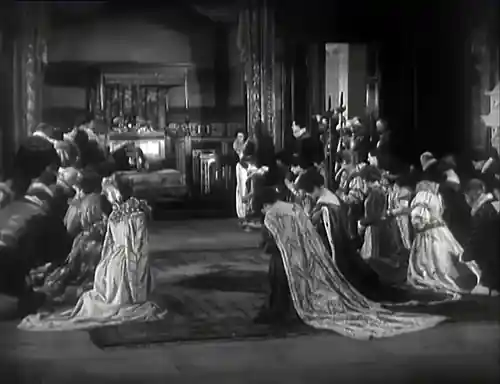
The wardrobe, designed with an eye for period authenticity, employs muted earth tones that contrast sharply with the vibrant bouquets. This contrast serves to highlight the central symbolism of flowers as carriers of hidden meaning. The production design meticulously recreates the narrow alleys, the bustling market, and the dilapidated chapel, each set piece imbued with a texture that feels lived‑in.
Although not as widely known as some of its contemporaries, La Bouquetière des Innocents has cultivated a cult following among cinephiles who appreciate its layered narrative and visual poetry. Its influence can be traced in later French dramas that explore the interplay between personal innocence and societal corruption. The film’s ending—Elise’s act of releasing the bouquet—has become an iconic visual metaphor in discussions of redemption in early cinema.
La Bouquetière des Innocents stands as a testament to the power of subtle storytelling. Its intricate plot, compelling performances, and daring visual style coalesce into a work that rewards repeated viewings. For those seeking a film that balances mystery, emotional depth, and artistic flair, this masterpiece offers a richly textured experience that lingers long after the credits roll.
IMDb 5.2
1923
Community
Log in to comment.