DbcultAccessing Vault...
Cult Review
Senior Film Conservator
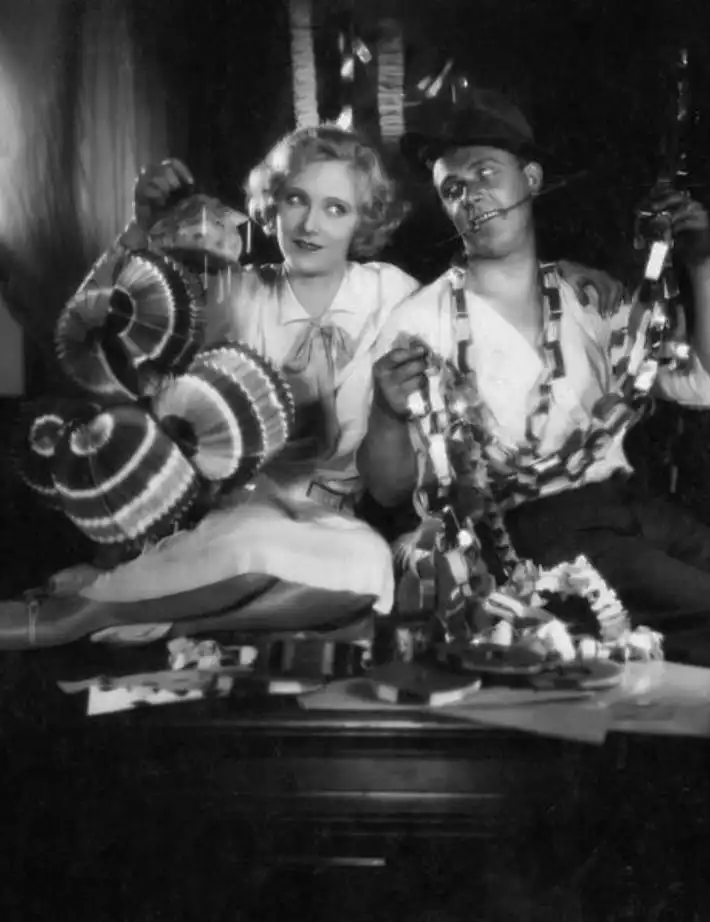
Alright, so Hrích. This one’s a real deep dive into old-school melodrama, silent film style. If you’re someone who appreciates the dramatic gestures and the sheer *brazenness* of early cinema, you might just find something to chew on here. But if you prefer your films with snappy dialogue or a quick pace, honestly, you'll probably spend most of it checking your watch. 🕰️
The whole thing kicks off with Greta Weber, played by Suzanne Marwille, getting herself into a pickle. She's caught with her hand in the cookie jar, so to speak, embezzling funds. Then her lover, Robert Merk, just bails on her. It’s a pretty rough start, and you immediately get the sense Greta isn't one to just take things lying down.
So, where does a woman in such a bind go? To her old friend, Helena. Helena, played by Vera Schmiterlöw, is all sunshine and innocence. She’s about to marry Petr Kafka, who’s portrayed by Jan Richter. The catch? Petr’s unemployed, and Helena’s dad, Agnes Petersen, is *not* happy about it. He makes his displeasure known with some wonderfully expressive silent film acting.
Now, this is where Greta really shines, or rather, *darkens* the screen. Marwille’s portrayal of Greta is just fantastic. She doesn’t have to say a word, her eyes do all the work. There’s this constant, unsettling glint in them, like she’s always sizing everyone up, looking for an angle. When she arrives at Helena’s house, it’s like a snake slithering into a bird's nest. You know it's not going to end well. 🐍
The film then settles into this uncomfortable rhythm. Helena is oblivious, too sweet for her own good. Petr seems a bit weak-willed, easily swayed. And Greta? Oh, Greta is a force. You can see her plotting, almost smell the schemes brewing. Her seduction of Petr isn't some grand, passionate affair; it’s a slow, deliberate chipping away. She makes him feel important, needed, things Helena perhaps takes for granted in her innocence.
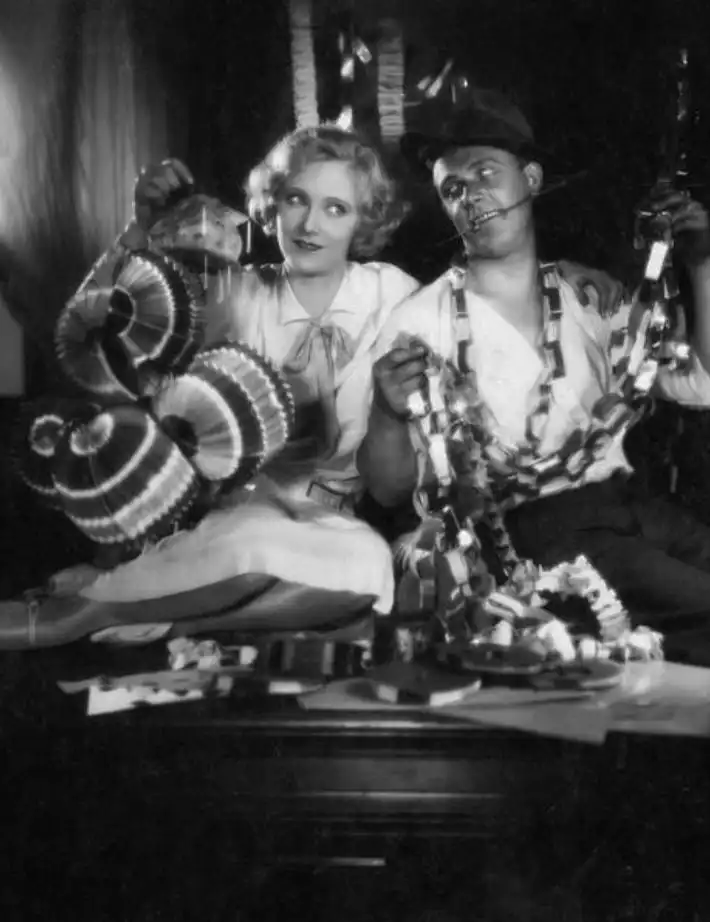
There’s a moment where Greta is just watching Helena and Petr from across a room. Her expression isn't overtly evil, but it’s *calculating*. It’s a small, quiet scene, but it speaks volumes about her intentions. You can almost feel the tension radiating from her, like she’s a coiled spring.
The family disruption part of the plot is what you'd expect. Helena's dad, with his booming disapproval of Petr’s unemployment, becomes a pawn in Greta’s game. It’s not just about stealing a fiancé; it’s about tearing down everything Helena holds dear. The movie does a good job of showing how one person’s bitterness can poison an entire household.
The pacing, admittedly, can feel a bit sluggish by modern standards. There are stretches where not much *happens* in terms of action, but the drama is all in the unspoken glances, the subtle shifts in body language. You have to really lean into it. This isn't a film you can just half-watch while scrolling through your phone. It demands your attention to appreciate the performances, especially Marwille’s, which are quite powerful.
Is it a forgotten masterpiece? Probably not. But it’s a really interesting character study of a villainess who truly owns her choices. She's not apologetic, not remorseful. Just determined. If you're into the dark side of human nature, especially as explored through the lens of early 20th-century filmmaking, give Hrích a look. Just be prepared for a slow, simmering burn, rather than an explosion. 🔥

IMDb —
1922
Community
Log in to comment.