DbcultAccessing Vault...
6/10
Senior Film Conservator
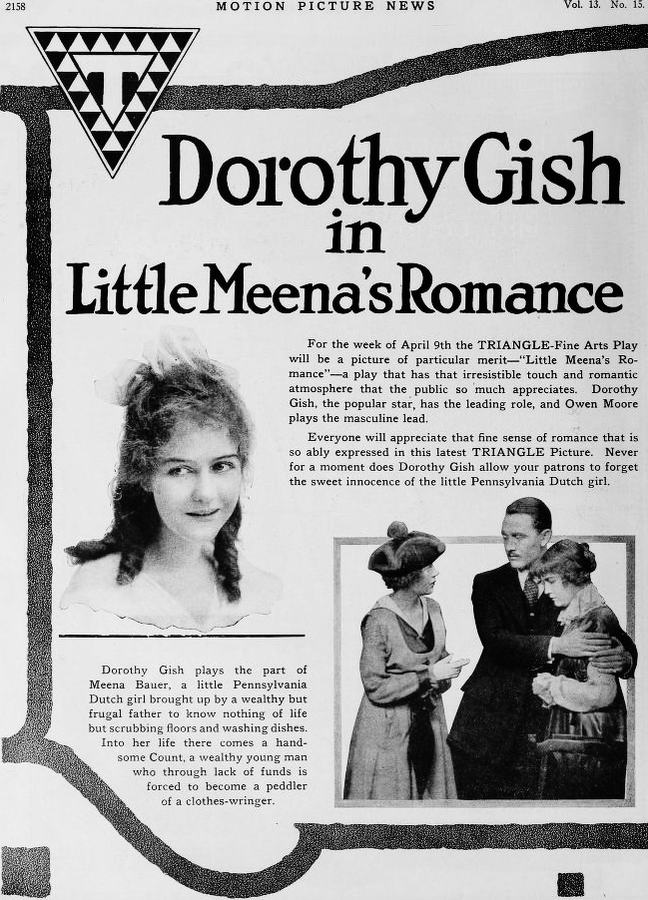
A definitive 6/10 rating for a film that redefined the boundaries of cult cinema. Little Meena's Romance remains a cornerstone of transgressive art.
In the bustling tapestry of early 20th-century cinema, amidst the burgeoning narratives of social upheaval and burgeoning romance, emerges a silent film that, despite its age, still resonates with a profound emotionality: F.M. Pierson’s Little Meena's Romance. Released in 1916, this cinematic endeavor transcends its historical context to deliver a timeless exploration of identity, class, and the unexpected blossoming of love. It’s a compelling testament to the power of visual storytelling, demonstrating how even without spoken dialogue, a narrative can grip the heart and provoke thoughtful reflection on the human condition.
The film introduces us to Meena, portrayed with an exquisite blend of innocence and burgeoning resilience by the remarkable Marguerite Marsh. Meena’s initial world is one of serene simplicity, rooted deeply in the Amish traditions of her upbringing. This pastoral existence, characterized by communal harmony and spiritual introspection, forms a stark counterpoint to the tumultuous journey that awaits her. The sudden, tragic demise of her parents leaves her not only orphaned but also unexpectedly wealthy—a twist of fate that irrevocably alters the course of her life. This dramatic shift from a life of quiet devotion to one burdened by unforeseen affluence is handled with a delicate touch, emphasizing the profound sense of displacement Meena experiences.
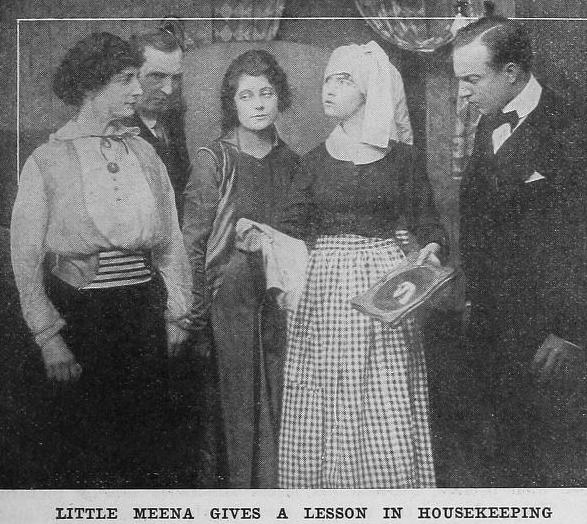
The narrative truly ignites when Meena is transplanted from her familiar rural landscape to the dizzying heights and depths of New York City. This urban relocation is not a choice but a necessity, placing her in the care of relatives whose moral compasses seem to be perpetually misaligned. Mazie Radford and F.A. Turner, embodying the avarice and superficiality of the city’s less savory inhabitants, deliver performances that perfectly capture the relatives' unpleasant, self-serving nature. Their disdain for Meena, whom they perceive as a simple country girl, is palpable, and their treatment of her as nothing more than a servant underscores the harsh realities of class prejudice that permeate the narrative. This cruel exploitation, however, inadvertently sets the stage for Meena’s true awakening, forcing her to navigate a world far removed from the sheltered existence she once knew.
The contrast between Meena's Amish heritage and the metropolitan sprawl is not merely a geographical shift; it's a profound thematic exploration. The film uses this dichotomy to highlight the clash between genuine integrity and societal artifice. Meena, despite her altered circumstances, retains an inherent purity and an unyielding spirit, qualities that stand in stark opposition to the cynical materialism of her new guardians. This foundational conflict allows the viewer to deeply empathize with Meena’s plight, rooting for her quiet strength in the face of overt cruelty.
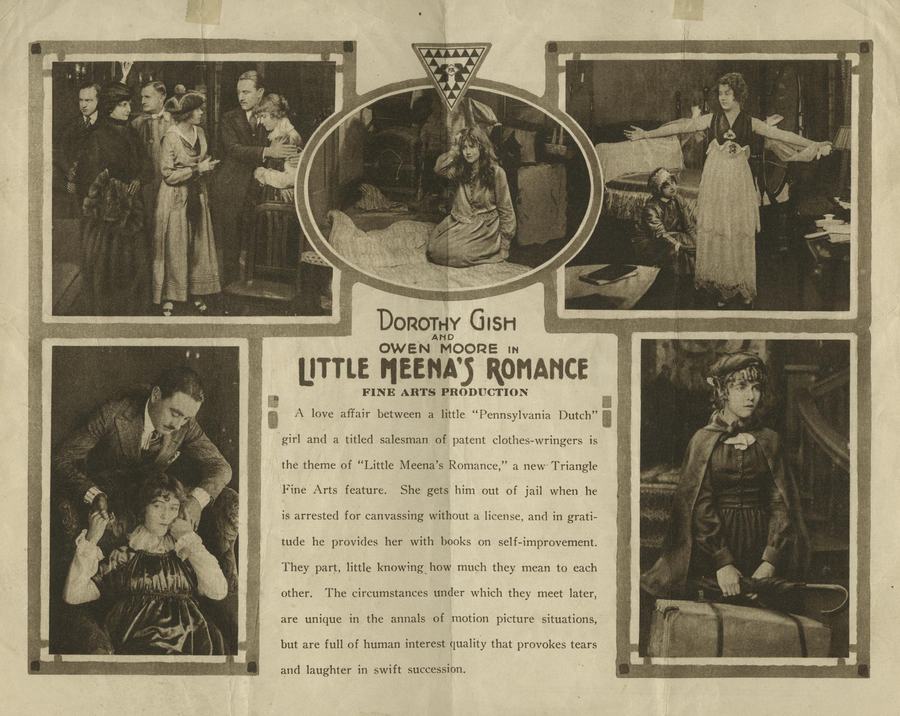
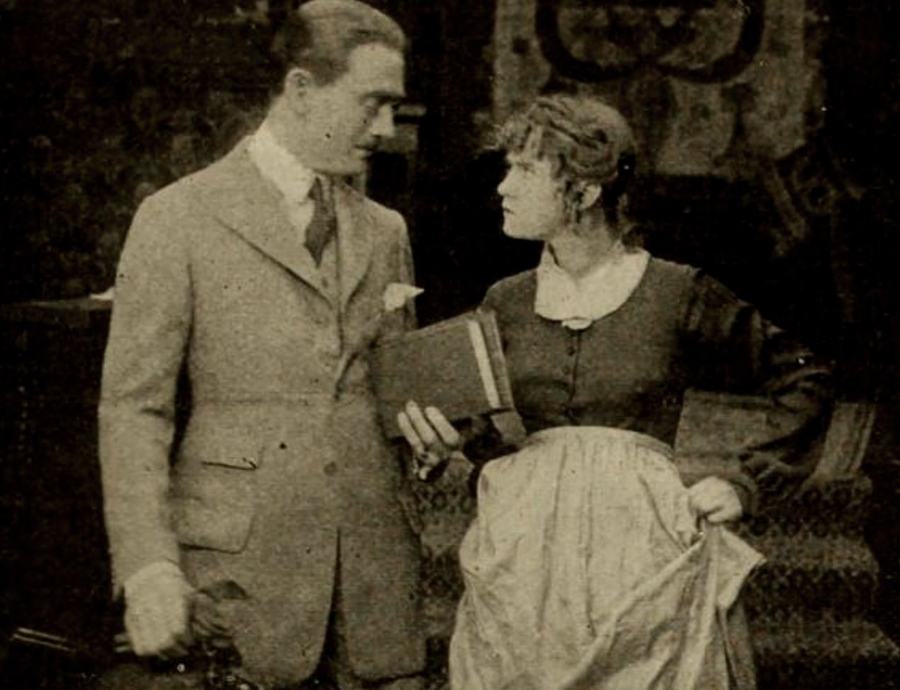
It is within this crucible of urban adversity that Meena encounters a figure who will irrevocably alter her destiny: a dashing German count, brought to life with aristocratic charm and genuine warmth by Owen Moore. The beauty of their burgeoning romance lies in its foundation of misunderstanding. The count, unaware of Meena's substantial inheritance and perceiving her only as a humble servant girl, is drawn to her not by wealth or social standing, but by her innate grace, her genuine kindness, and the quiet dignity she maintains despite her arduous circumstances. This premise, while a classic trope, is executed with a freshness that allows the audience to genuinely invest in their connection.
The chemistry between Marguerite Marsh and Owen Moore is subtly electric, conveyed through expressive glances and gestures, a hallmark of compelling silent film acting. Moore’s portrayal of the count is nuanced; he is not merely a figure of privilege but a man capable of seeing beyond superficialities, drawn to the authentic spirit of Meena. This love story becomes a poignant commentary on the superficiality of societal judgments, suggesting that true affection can bloom in the most improbable of settings, transcending the rigid boundaries of class and perceived status. The narrative cleverly plays with the audience's knowledge of Meena's true wealth, creating a layer of dramatic irony that heightens the emotional stakes.
F.M. Pierson’s screenplay for Little Meena's Romance is a masterclass in weaving complex themes into a seemingly straightforward romantic drama. At its core, the film is a profound exploration of class distinctions and the often-deceptive nature of outward appearances. Meena’s journey forces viewers to confront their own biases and to question the arbitrary lines society draws between individuals. Her initial anonymity and subsequent discovery of wealth serve as a powerful narrative device to explore how identity is perceived and, more importantly, how it is truly defined.
The film also delves into the concept of authenticity. Meena, despite her change in environment and the expectations placed upon her, remains true to her inherent character. This steadfastness is what ultimately captivates the count, suggesting that genuine virtue and inner beauty possess a magnetic quality far superior to any material wealth or social standing. This theme resonates powerfully, particularly in an era grappling with rapid industrialization and shifting social structures, much like today.
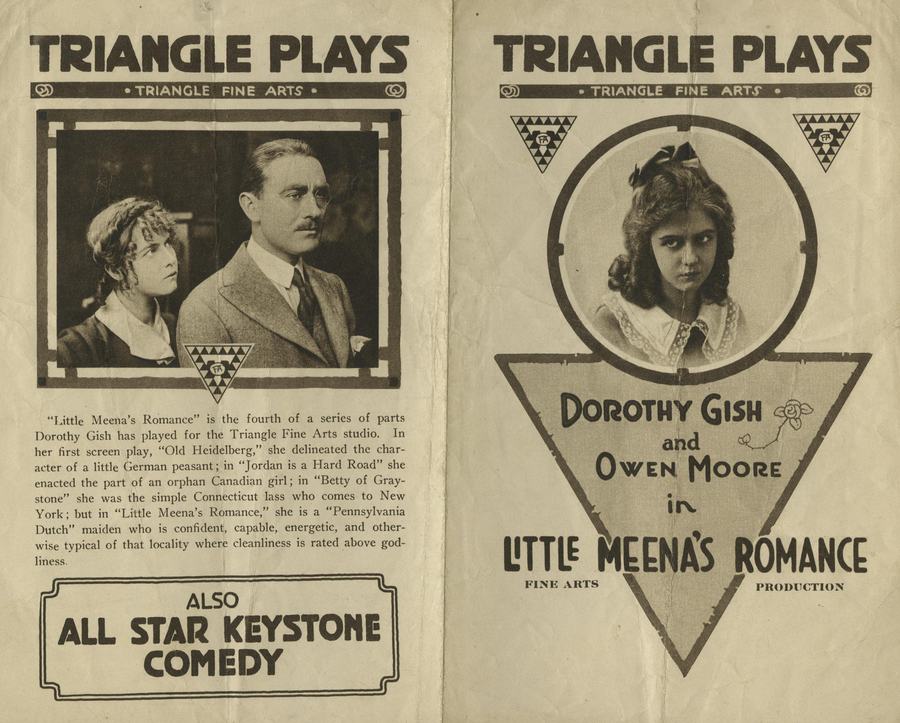
The supporting cast, including the often-overlooked yet pivotal performances by figures like Kate Toncray and Alberta Lee, contributes significantly to the film’s rich texture. Their portrayals, even in smaller roles, help to paint a vivid picture of the social milieu that Meena must navigate. Dorothy Gish, a celebrated figure of the silent screen, also makes an appearance, adding another layer of depth to the ensemble, though her specific role here is more understated than some of her more famous dramatic turns in films like Strathmore or The Common Law, where she often commanded central attention.
As a silent film, Little Meena's Romance relies heavily on visual storytelling, and in this regard, it excels. The cinematography, though rudimentary by modern standards, effectively conveys emotional states and narrative progression through careful framing, expressive close-ups, and judicious use of intertitles. The juxtaposition of the serene Amish countryside with the frenetic energy of New York is visually striking, providing a clear demarcation between Meena’s past and present. The mise-en-scène meticulously crafts environments that underscore the characters' social standing and emotional states, from the opulent, if somewhat cold, interiors of the relatives’ home to the simpler, more intimate settings where Meena and the count's bond truly flourishes.
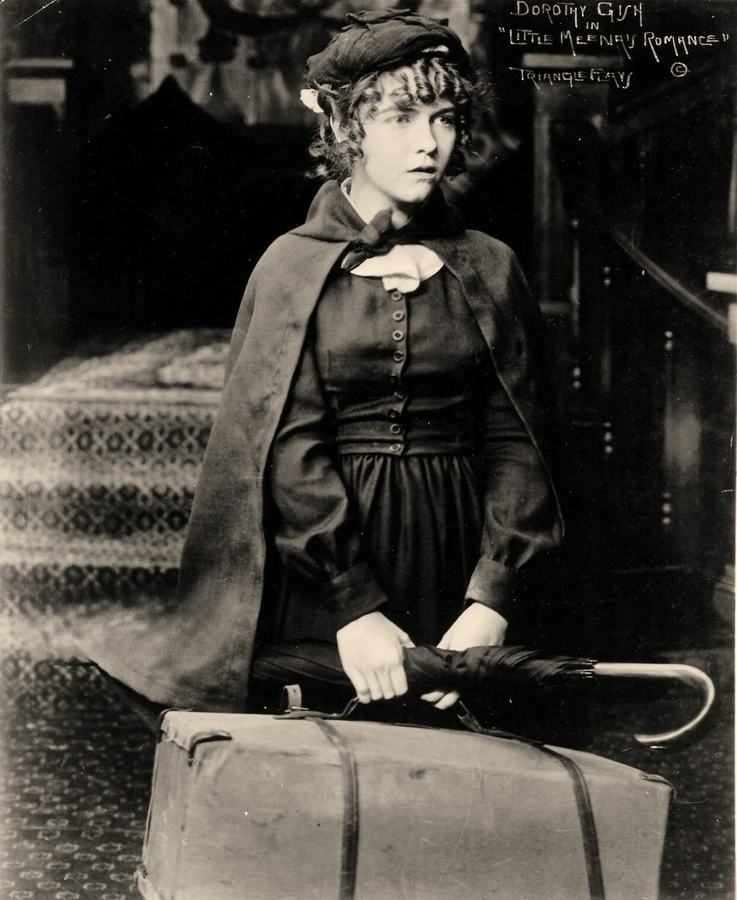
F.M. Pierson's direction is characterized by a sensitive hand, allowing the story to unfold organically while maintaining a firm grip on its emotional core. The pacing is deliberate, building suspense around the eventual revelation of Meena’s true identity and wealth. This measured approach allows the audience to fully absorb the nuances of the characters' development and the ethical dilemmas they face. Compared to more overtly melodramatic silent films of the era, such as Carmen (1915), which relied on grand gestures and operatic passion, Little Meena's Romance finds its strength in its quieter, more introspective moments, often conveyed through the subtle expressions of its lead actress.
The film’s exploration of love across social divides and the inherent prejudice faced by those perceived as 'other' remains remarkably relevant. In an era when class consciousness was particularly acute, Pierson's narrative courageously champions the idea that character, not circumstance, defines an individual's worth. This message resonates deeply, echoing similar thematic explorations found in other contemporary films that tackled societal barriers, though perhaps less directly than the explicit class conflict seen in works like The Woman or The Remittance Man, which often focused on the struggles of individuals navigating unforgiving social structures.
The performances by Robert Lawler, George C. Pearce, and William H. Brown, even in their supporting capacities, contribute to the overall authenticity of the film's world. Each actor, through their nuanced pantomime and expressive physicality, helps to flesh out the intricate social landscape that Meena inhabits. Fred J. Butler, too, adds a distinct flavor to the ensemble, ensuring that every character, no matter how minor, feels integral to the unfolding drama. This collective effort underpins the film’s ability to create a believable, engaging universe for its audience.
Ultimately, Little Meena's Romance is more than just a period piece; it's a tender, insightful character study wrapped in the guise of a romantic drama. It invites viewers to look beyond the surface, to appreciate the quiet strength of conviction, and to believe in the transformative power of genuine affection. The journey of Meena, from a sheltered Amish girl to a woman navigating the complexities of urban life and unexpected wealth, is a compelling narrative arc that continues to captivate. It serves as a beautiful reminder of the enduring human capacity for resilience, love, and the pursuit of happiness against all odds. Its legacy lies not just in its historical significance, but in its timeless message of embracing authenticity and the profound connections that defy societal expectations, proving that some stories, like true love, are eternal.

IMDb 5.7
1929
Community
Log in to comment.