DbcultAccessing Vault...
Cult Review
Senior Film Conservator
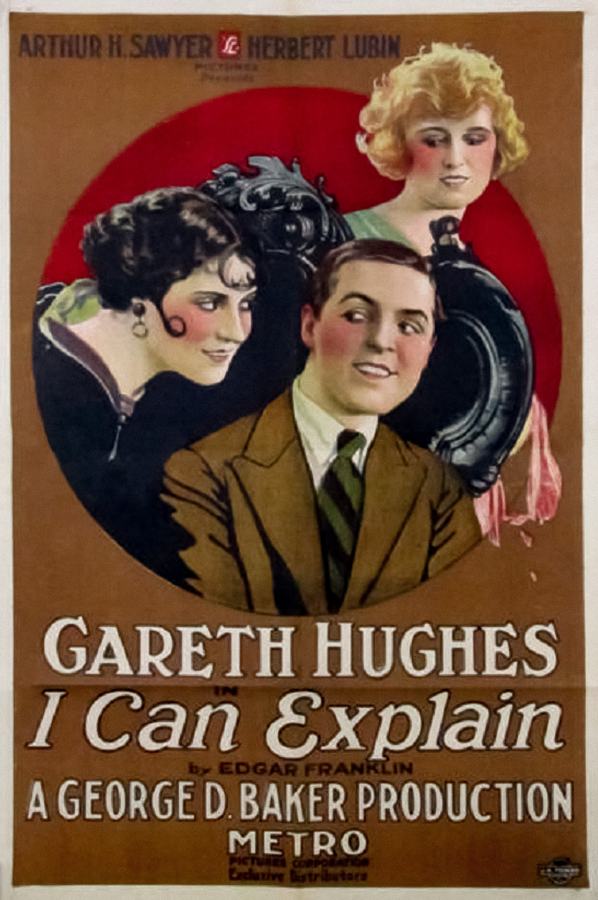
The celluloid phantoms of 1922 left behind a glut of polite comedies and moral parables, yet I Can Explain streaks across the ether like a skyrocket soaked in rum—equal parts bedroom farce, imperial fever dream, and proto-screwball chase. Its reels exhale cigar smoke and gardenia perfume; every intertitle lands with the smack of a slammed boudoir door.
Herbert Heyes’s Jimmy Berry is no fair-haired naïf but a mid-level capitalist warlock who believes contracts and kisses are both negotiable. Watch his pupils dilate when Dorothy—Tina Modotti in a slink of lamé—leans across the partners’ desk to murmur of untapped Amazonian profits. The camera, starved of spoken word, clings to their overlapping silhouettes; shadows copulate on the office wall while stenographers pretend not to notice.
Gossip metastasizes through drawing rooms where gramophones bleat jaunty ragtime. The film’s editorial tempo—accomplished via whip-pan iris outs—makes the bourgeoisie feel like velociraptors in tuxedos. Jealousy, that antique serpent, coils around Stanton Heck’s Dawson until his moustache quivers like a tuning fork. His ultimatum to Jimmy—“South America or scandal”—is less geography lesson than exile into a colonialist purgatory.
Once south of the equator, the mise-en-scène sheds its urban lacquer. Palm fronds slice the frame diagonally; moonlit lagoons glow the color of absinthe. Director Edgar Franklin (never enshrined among Griffith or DeMille, alas) exploits wide shots so the jungle swallows characters whole—an apt visual correlative for desire run feral. Dorothy reappears in a banana-cream suit, and the narrative tilt-a-whirl cranks faster: mistaken hotel rooms, forged telegrams, a duel lit by hurricane lamps that hiss like gossiping cats.
Ah, that duel—one of the earliest instances in American comedy where blood is allowed to spatter without narrative punishment. Dawson’s shoulder opens like a crimson peony; the camera does not flinch. Berry’s subsequent flight, via commandeered touring car, prefigures every road-movie trope: spluttering carburetor, precipitous cliff, comic servant (here a tipsy gaucho) wedged into the dickey seat. When El Pavor’s horse-borne brigand finally nets our hero, the iris closes to a pinpoint, as if the film itself cannot bear to watch.
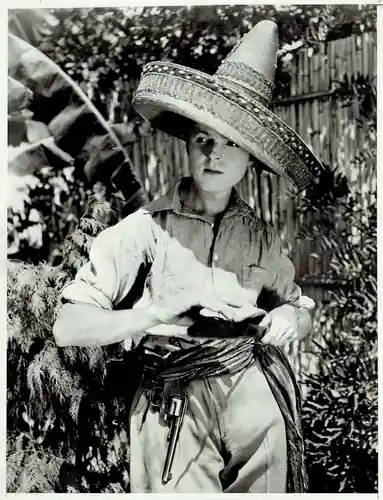
Back home, Betty—Grace Darmond radiating pearl-luster virtue—stands at the altar with a replacement groom whose chin wattles like bread dough. Cue Jimmy, sun-scorched, threadbare, barging through stained-glass light with a bouquet of lies that somehow smell like roses. The final close-up smash-cuts between their reunited profiles and the church bell clanging overhead: a visual vow more kinetic than any marriage contract.
Contemporary viewers may wince at imperial caricatures—salsa rhythms reduced to metronomic cliché, peasants grinning like jack-o-lanterns—yet the film also lampoons gringo entitlement. Jimmy’s tan lines and tattered tuxedo become a silent apology for Yankee meddling; his abduction by El Pavor reads as comeuppance rather than peril. The picture anticipates The Man Hunt’s later cynicism about manifest destiny, albeit swaddled in slapstick.
Performances oscillate between opulence and pantomime. Modotti, future muse of Edward Weston and revolutionary Mexico, glides through each frame with feline self-amusement—her sidelong smirk at the camera feels positively modern, as though she already knows her biography will be footnoted by history. Heyes plays straight man to the chaos, a necessary keel whose incredulous eyebrow lifts do the talking that intertitles cannot.
The restored 4K print—bless the nitrate alchemists at Gosfilmofond—reveals tinting strategies that turn night scenes into cobalt aquariums, dawn sequences into apricot sighs. The yellow cautionary cards, once bleached by time, now flare like sodium streetlights. Composer Guenter A. Buchwald’s new score interpolates Argentine milonga rhythms, letting bandoneóns wheeze beneath the frantic chase like a heartbeat with arrhythmia. The result situates the film closer to His Majesty, Bunker Bean’s cosmic whimsy than to the pastoral sweetness of Flower of the Dusk.
Scholars hunting proto-feminist threads might latch onto Dorothy’s entrepreneurial audacity; she engineers an international startup while her spouse polishes revolvers. Yet the script ultimately corsets her within the siren-or-wife binary, a reminder that 1922 could imagine women in boardrooms only if they still smelled of seduction. Betty, meanwhile, embodies the porcelain safety valve—her near-bigamous wedding a narrative boomerang ensuring the patriarchal order rebalances, albeit dented.
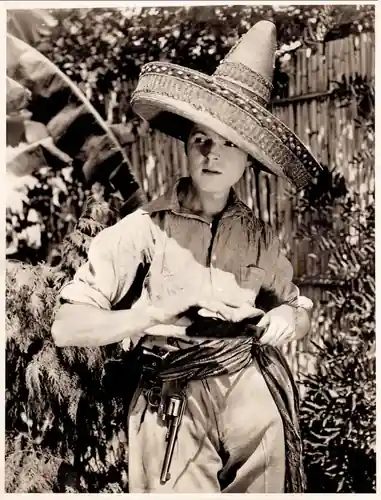
Still, the movie’s velocity papers over its ideological cracks. At 72 minutes, it hurtles like a runaway funicular; you’d need a slide rule to tally the implausibilities. That breathlessness would influence later Lubitsch and McCarey comedies, where elegance is measured by how blithely you vault plausibility. The geography is nonsensical—Jimmy apparently teleports from Andean cordillera to coastal port within a single cut—but the tonal conviction never wavers. You accept the absurdity the way you accept opera: emotion as propulsion, not logistics.
Cinephiles who revere Day Dreams’ experimental superimpositions will savor Franklin’s subtler visual rhymes: a revolving office door echoed by the spinning chamber of Dawson’s revolver, or the repeated motif of hands exchanging documents/flowers/bribes like batons in a relay of doom. These flourishes elevate what might have been a disposable programmer into a hidden hinge of silent-era form.
Marketing departments of the time billed it as “A Tropical Tonic for Tired Businessmen,” and indeed the vicarious philandering, the gunplay without consequence, the promise that a white man can swashbuckle through revolutions and still catch the last ferry to the altar—all these ingredients sold tickets like bathtub gin. Modern distributors might recoil from the colonial residue, yet repackaged with scholarly contextual panels, the film could intoxicate revival audiences hungry for pre-Code candor.
In the final analysis, I Can Explain survives because it refuses to behave: it is bedroom farce that detours into pirate escapade, social satire that moonlights as imperial fever dream. Its title phrase, never uttered onscreen, becomes the ironic mantra of every character—each convinced their motives are self-evident while the plot pirouettes into delirium. That cosmic joke feels eerily contemporary in an age where tweets outrun context and every public figure pleads, “Let me explain.” The film winks at us across a century: explanation is futile, but the dance—frenzied, flirtatious, fatal—is everything.
Verdict: Seek it in 4K, volume cranked, bandoneón wheezing, morals suspended. Let the tinted moonlight soak your retinas; let Jimmy Berry’s exasperated shrug remind you that history, like gossip, merely changes costumes. The tango ends, the lights rise, and you’ll walk out muttering the film’s unspoken refrain: “I can explain—except I can’t, and that’s why we keep watching.”
IMDb 6.3
1921
Community
Log in to comment.