DbcultAccessing Vault...
8.3/10
Senior Film Conservator
A definitive 8.3/10 rating for a film that redefined the boundaries of cult cinema. Igloo remains a cornerstone of transgressive art.
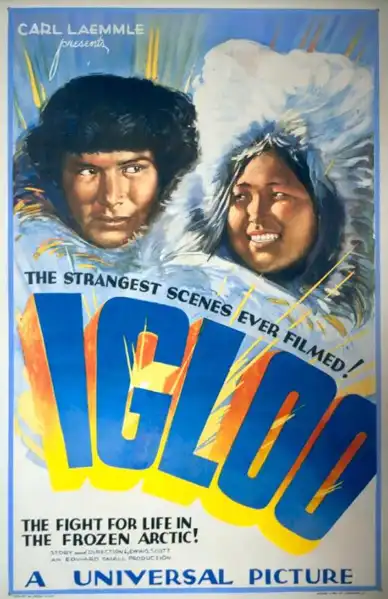
If you have about an hour and you want to feel grateful for your heater, you should watch Igloo. It came out in 1932. It’s old, it’s grainy, and it’s basically a survival horror movie where the monster is just winter.
History buffs will love it. People who like seeing how things were actually done before green screens will love it too. If you hate slow movies or black-and-white footage of people walking on ice, you will probably be bored out of your mind within ten minutes.
I wasn’t sure what to expect. Most movies from this era feel very stiff. But this one has a weird energy to it. It’s a documentary, mostly. But they definitely staged some of the drama to make it feel like a "story."
Nan-Shuk is the main guy we follow. He’s not a Hollywood actor. He’s a real person living this life. You can see it in his hands and the way he squints at the horizon. 🌨️
The plot is simple. The village is starving. They need food. They go looking for it. That’s it. But the stakes feel massive because you can tell the environment is actually dangerous.
There is this one scene with a whale hunt. It is intense. It isn't clean or choreographed. It’s messy and chaotic. You see the kayaks—the oomiaks—bouncing around the water. One wrong move and everyone is dead. The water looks so dark and heavy.
The film captures the sheer scale of the ice. Sometimes the camera just lingers on the white landscape. It makes you feel small. It reminded me a bit of the vibe in An Eskimotion Picture, but with a lot more grit.
I noticed how much they use the sound of the wind. Or maybe it’s just the hiss of the old film reel. Either way, it works. It creates this constant feeling of pressure. Like the world is trying to squeeze them out.
Kyatuk and Lanak are there too. The way they interact feels very human. Not like they are reading lines from a script. They are just existing in front of the lens. Sometimes they look directly at the camera and it feels like they are looking through time at you.
The editing is a bit jumpy. Sometimes a scene ends and you aren't sure how much time passed. Is it the next day? Next week? It doesn't really matter, I guess. The hunger is the same.
The dogs are incredible. They look tough. Not like the pampered huskies you see in the park today. These dogs are working. They look as tired as the people. 🐕🦺
There’s a bit where the ice starts to pack in. It’s loud. You can hear the grinding. It’s a terrifying sound. Even with the limited tech of 1932, they caught the menace of the moving ice perfectly.
I found myself wondering about the crew. Imagine hauling those giant 1930s cameras out onto the floes. It must have been a nightmare. You can almost feel the camera shaking in the wind during the wider shots.
It’s much more grounded than something like The Rescue. There is no melodrama here. No one is overacting. They are just trying to find a seal so they don't die. It makes modern survival shows look like a joke.
One reaction shot of an older woman in the camp stayed with me. She just looks... waiting. Like she’s seen this cycle of hunger a hundred times. It’s a very heavy moment that doesn't need any dialogue.
The ending comes fast. It doesn't wrap everything up in a neat bow. It just sort of... stops. Which feels right for a movie about a life that just keeps going. Or doesn't. ❄️
I think the film gets better when it stops trying to be a story and just lets us watch the work. The way they build things. The way they move across the snow. It’s fascinating stuff.
Is it a masterpiece? I don’t know. Maybe. It’s definitely important. But more than that, it’s just a very raw look at a world that is mostly gone now. Most movies from 1932 feel like museum pieces. This one feels like a warning.
If you’re into the history of the North, or just want to see some unbelievable footage of nature being scary, give it a look. Just make sure you have a blanket. You’ll need it.
It's not as polished as Jaws of Steel or other adventure films from that time. It's much more honest. And honestly, that’s why it’s worth the time. It doesn't try to be pretty. It just is what it is. A struggle.
Anyway, I'm glad I watched it. It’s one of those films that stays in the back of your head when you're walking home in the cold. You realize your commute isn't actually that bad. 🌨️
IMDb —
1926
Community
Log in to comment.