DbcultAccessing Vault...
6.4/10
Senior Film Conservator
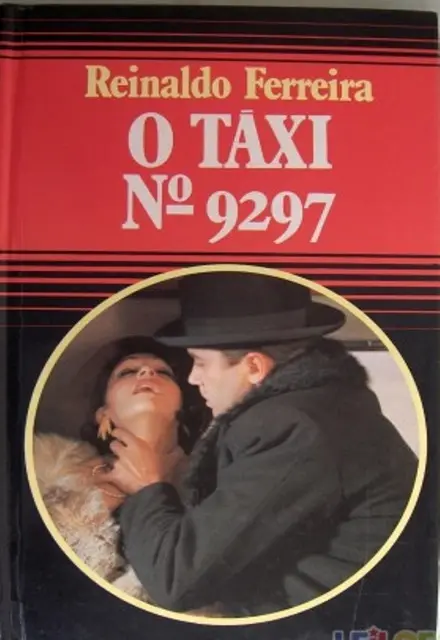
A definitive 6.4/10 rating for a film that redefined the boundaries of cult cinema. O Táxi 9297 remains a cornerstone of transgressive art.
Is O Táxi 9297 worth watching today? Short answer: yes, but only if you are prepared for a gritty, unpolished dive into the birth of true-crime cinema. This isn't a film for those seeking the escapist glamour of 1920s Hollywood; it is for the voyeur, the historian, and the viewer who finds beauty in the macabre.
This film works because it leverages the raw power of a real-life tragedy, directed by the very man who lived through the investigation. This film fails because its technical limitations often clash with its ambitious narrative, leading to moments of theatrical stiffness. You should watch it if you want to see how the sensationalist 'Reporter X' persona translated the tabloid fever of the 1920s into a visual medium.
O Táxi 9297 is a mandatory watch for anyone interested in the evolution of the crime genre. Unlike the stylized detective stories of the era, such as The Man from Hell's River, Ferreira’s work feels dangerously close to the bone. It is an artifact of a time when cinema was still figuring out its moral boundaries. If you can tolerate the silence and the occasionally erratic pacing, the reward is a haunting glimpse into a forgotten scandal.
To understand O Táxi 9297, one must understand Reinaldo Ferreira. He was a man who thrived on the edge of truth and fiction. As a journalist, he was a celebrity; as a filmmaker, he was a provocateur. The film is based on the 1927 murder of Maria Alves, a crime that Ferreira covered extensively in the press. By the time he moved the story to the screen, the audience already knew the ending, yet they flocked to see the reconstruction.
This creates a unique psychological tension. The film doesn't rely on a 'whodunnit' mystery but rather on the 'how it happened.' In the scene where the taxi winds through the dark streets of Lisbon, there is a palpable sense of dread. Ferreira uses the interior of the car as a confessional and a cage. It is a brilliant, if simple, directorial choice that predates many modern noir techniques.
The performance of Maria Emília Castelo Branco is particularly striking. She brings a vulnerability to the role of the doomed actress that feels less like 'acting' and more like a haunting. When she is on screen, the film moves away from its tabloid roots and becomes a genuine tragedy. It works. But it’s flawed.
Visually, O Táxi 9297 is a fascinating study in contrast. While it lacks the high-budget polish of contemporary European films like Ferragus, it makes up for it with a raw, documentary-like quality. The lighting is often harsh, reflecting the unforgiving nature of the story. There are moments where the camera lingers just a second too long on a piece of evidence or a facial expression, betraying Ferreira’s background as a reporter looking for a 'scoop.'
The pacing is where the film struggles most. Silent cinema often relied on intertitles to bridge narrative gaps, but Ferreira uses them like newspaper headlines. This can be jarring for a modern viewer. However, the sequence involving the police reconstruction of the crime is a masterclass in early procedural storytelling. It feels authentic because, in many ways, it was. Ferreira wasn't just directing actors; he was recreating his own professional experience.
Comparing it to Die Flucht in die Nacht, one can see a similar obsession with the darkness of the human soul, but Ferreira’s approach is far more grounded in the dirt of the city. There is no poetic escape here. Only the cold reality of a taxi ride that leads to a grave.
One of my more debatable opinions on this film is that the taxi itself is the main character. In 1927, the automobile was still a symbol of terrifying modernity. By placing the murder inside 'Táxi 9297', Ferreira turns a symbol of progress into a mechanical accomplice. The car is a silent witness that carries the victim to her doom and the killer to his fate.
This focus on the machine creates a cold, detached atmosphere. It is a brutally simple sentence: The machine does not care. This detachment is what makes the film feel so modern. It anticipates the 'true crime' craze where the logistics of the murder are often more scrutinized than the life of the victim. It is an ugly observation, but an essential one for understanding the film's power.
Pros:
Cons:
O Táxi 9297 is a silent film that dramatizes the real-life murder of Portuguese actress Maria Alves. It follows the investigation led by a determined reporter, exploring the dark streets of Lisbon and the betrayal that led to the crime. The film is famous for being directed by the actual journalist who covered the case, adding a layer of eerie authenticity to the production.
O Táxi 9297 is not a masterpiece of technical perfection, but it is a masterpiece of intent. Reinaldo Ferreira understood the public's hunger for the 'real' long before the term 'true crime' was ever coined. He exploited a tragedy, yes, but in doing so, he created a piece of cinema that feels more honest than many of its contemporaries. It is a film that smells of damp pavement and old newsprint.
"Ferreira didn't just capture a crime; he captured the soul of a city obsessed with its own darkness."
If you are looking for the roots of the modern obsession with crime, look no further. This film is the source code. It is rough, it is sometimes boring, and it is undeniably important. It is a reminder that the most terrifying stories are the ones that actually happened. For those who can appreciate the historical weight, O Táxi 9297 is an essential journey into the past.
IMDb 6.3
1936
Community
Log in to comment.