DbcultAccessing Vault...
Cult Review
Senior Film Conservator
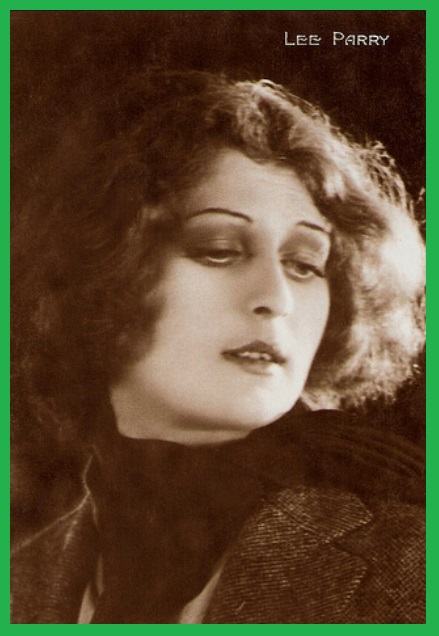
Ihre Hoheit die Tänzerin is a film that masterfully intertwines the threads of deception, desire, and societal critique, presenting a tapestry so rich and complex that it beckons the viewer to immerse themselves in its world. With a narrative that is as intriguing as it is thought-provoking, the film delves into the lives of its characters, each one a piece in the larger puzzle that is the human experience.
At the heart of Ihre Hoheit die Tänzerin is the figure of the dancer, an enigmatic presence whose influence over those around her is nothing short of mesmerizing. Her dance is not merely a form of expression but a tool of manipulation, weaving a spell that transcends the boundaries of social class and status. This central character, played with depth and nuance, serves as the pivot around which the story revolves, her actions and decisions influencing the trajectory of all who are drawn into her orbit.
The cast, comprising Rudolf Zolling, Bela Lugosi, and Rudolf Klein-Rhoden, among others, brings to life a diverse array of characters, each with their own distinct voice and perspective. The interactions between these characters are fraught with tension and complexity, reflecting the societal hierarchies of the time. The film's portrayal of the corrupting influence of wealth and power, and the ways in which these forces can both unite and divide individuals, serves as a powerful commentary on the human condition.
In comparison to other films of its era, such as Why Not Now? and The Mayor of Filbert, Ihre Hoheit die Tänzerin stands out for its bold approach to storytelling and its unflinching look at the darker aspects of human nature. Like Pay Your Dues and The Truth About Helen, it explores themes of identity and the search for truth, albeit through a uniquely cinematic lens.
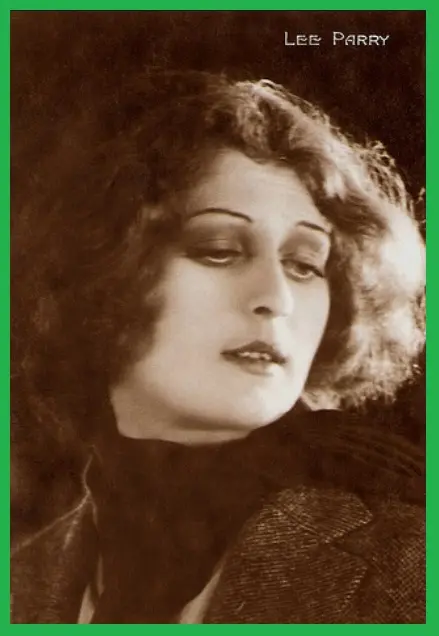
The cinematography of Ihre Hoheit die Tänzerin is equally noteworthy, with scenes that are as visually stunning as they are emotionally resonant. The use of lighting and shadow creates a sense of depth and dimensionality, drawing the viewer into the world of the film. This visual mastery is reminiscent of films like The White Rider and Soft Money, where the aesthetic elements play a crucial role in setting the tone and mood of the narrative.
The screenplay, penned by Helmuth Orthmann, is a work of genius, weaving together the various strands of the story into a cohesive and compelling whole. The dialogue is sharp and incisive, revealing the characters' inner lives and motivations with precision and sensitivity. This attention to detail is similar to what is seen in The Yellow Arm and The Story of the Wolf, where the power of the written word is harnessed to create a cinematic experience that is both engaging and thought-provoking.
In Ihre Hoheit die Tänzerin, one finds a film that not only reflects the societal norms and anxieties of its time but also transcends them, speaking to universal themes and emotions that continue to resonate with audiences today. Like Putting One Over and Tangled Trails, it offers a compelling narrative that challenges the viewer to question their assumptions and consider the world from different perspectives.
The film's exploration of the human condition, with all its complexities and contradictions, is a testament to the enduring power of cinema. Whether one is drawn to the intricate plot, the memorable characters, or the societal commentary, Ihre Hoheit die Tänzerin is a film that promises to captivate and inspire, much like Separate Trails, Krzyk, and The Tavern Knight. It stands as a reminder of the importance of empathy, understanding, and the unbreakable bonds that connect us all.
Ultimately, Ihre Hoheit die Tänzerin is a masterpiece of storytelling, a film that weaves together the threads of drama, mystery, and social commentary into a rich tapestry that continues to enchant and provoke audiences. Its influence can be seen in films like The Silence Sellers and I'm Glad My Boy Grew Up to Be a Soldier, where the power of narrative is harnessed to explore the depths of the human experience. As a work of cinematic art, it remains unparalleled, a testament to the enduring legacy of a bygone era and the timeless appeal of the silver screen.
IMDb —
1930
Community
Log in to comment.