Summary
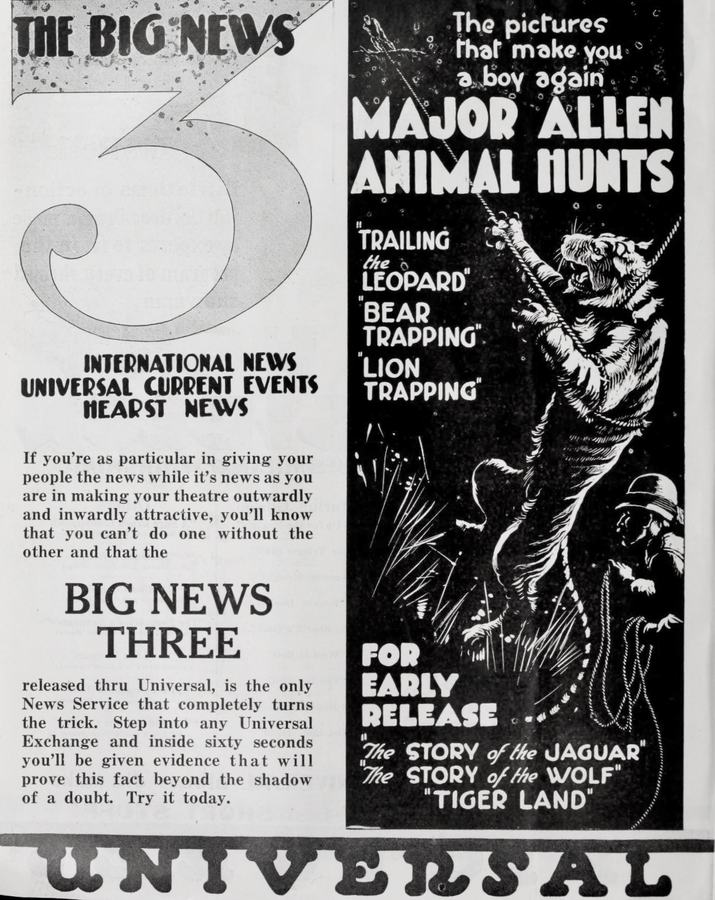
A charcoal-black fable unspools in the Carpathians where a nameless boy, raised by woodcutters who reek of resin and superstition, discovers that the howl he hears each dusk is not lupine but human—his own voice ricocheting off glaciers of trauma. The narrative spirals like smoke from a snuffed torch: the child, branded by villagers as „wolf-blood,“ is lashed to a sleigh and dragged across moon-bleached clearings where every birch becomes a gallows. Years compress into ellipses; the boy’s sinew stretches into myth. He learns to speak with eyes alone, then forgets speech entirely, tongue ossifying into flint. When a one-eyed taxidermist stitches him a wolfskin cloak, the boy—now half-beast, half-omen—stalks the forest edge where Red Army deserters trade bullets for breadcrusts. A deaf-mute girl who collects shattered church bells becomes his mirror; together they forge a language of frostbitten gestures and rusted harmonica notes. Their Eden is a bombed observatory: star-maps peel like scabs, revealing celestial wounds. In the final movement the boy confronts the original wolf—an emaciated colonel wearing a monocle of ice—who reveals that the entire province was sold, acre by acre, for a pocket watch and a bottle of absinthe. Blood soaks the snow until it resembles a Japanese woodblock of chrysanthemums; the boy skins the colonel, drapes the pelt across the girl’s shoulders, and vanishes into a blizzard that never stops. End credits roll over a faint heartbeat pulsing beneath fresh powder—proof that legends, unlike people, hibernate rather than die.
Review Excerpt
"
The first time I saw The Story of the Wolf I walked out of the Cinémathèque with snow in my shoes—though it was July in Paris. That is the kind of lie this film sanctions: meteorological gaslighting at 18 frames per second.
There are movies you watch and movies that watch you. Then there is this 1925 phantasmagoria, stitched together from nitrate that smells like wet dog and revolution. Every print carries a whiff of potassium alum, as if the reels themselves were tanned into leather. The ope..."