DbcultAccessing Vault...
6.9/10
Senior Film Conservator
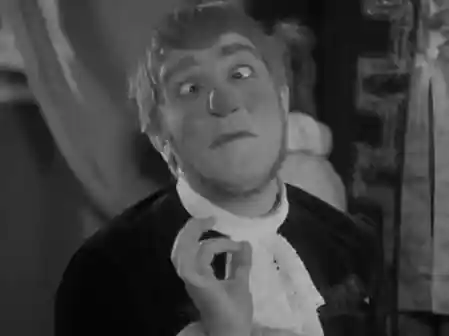
A definitive 6.9/10 rating for a film that redefined the boundaries of cult cinema. Il medico per forza remains a cornerstone of transgressive art.
Alright, so Il medico per forza. Is it worth tracking down today? Look, for most folks, probably not. It's a silent, black-and-white Italian featurette from 1927, which immediately puts it into a pretty niche category. But if you’re a film history buff, or someone who genuinely enjoys watching old stage plays translated (crudely, sometimes) to the screen, then you might get a kick out of it. If you hate anything without color or sound, or expect modern pacing, you will absolutely loathe this.
The whole thing is a burlesque of Molière’s classic, The Doctor in Spite of Himself. And burlesque here means a *lot* of exaggerated gestures and faces. Like, a whole lot. Ettore Petrolini, who also co-wrote, stars as the woodcutter Sganarelle, who gets accidentally declared a doctor. And he leans right into it.
Petrolini is the real reason to watch. His performance is a whirlwind. One minute he's getting thrashed by his wife, the next he's pretending to be this profound medical genius. There’s a scene where he’s examining a patient, and his hand movements are just wild. You can see the stage actor in him, practically shouting his lines without making a sound. It’s pretty captivating in a way.
The humor is very much of its era. Slapstick, mostly. There's a moment where Sganarelle is chasing someone around a table, and it feels like it could have been pulled straight from a vaudeville act. The gags don't always land for a modern audience, but you can appreciate the effort.
One thing that struck me was the sets. They’re super minimal, almost like painted backdrops you'd expect from a theatre. It adds to the feeling that you’re watching a filmed play, not a fully cinematic experience. The indoor shots sometimes feel a bit cramped, like they just shoved a camera in a small room.
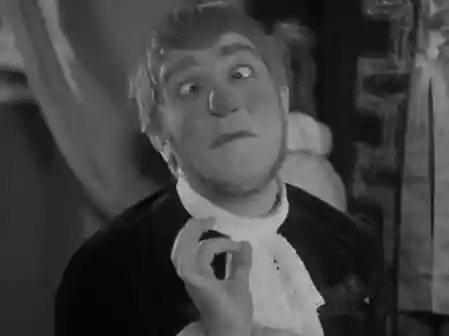
Letizia Quaranta, who plays Lucinde, the patient who pretends to be mute, has some great facial expressions. Her transformation from 'sick' to 'lively' is quick and funny. She totally commits to the bit, which helps sell the whole absurd premise. 🎭
There's a sequence where Sganarelle uses Latin phrases he clearly doesn't understand, and the way Petrolini puffs himself up, trying to sound smart, is pretty classic. It’s a bit of a timeless gag, honestly. Even without knowing the language, you get it.
The pacing is… well, it's 1927 pacing. Some scenes linger a bit longer than you'd expect. A reaction shot might go on for five or six seconds, just letting Petrolini do his thing with his eyebrows. It’s a slow burn compared to what we’re used to, but it forces you to really observe the physicality.
I found myself wondering about the audience reactions back then. Did they laugh at the same moments? Did they appreciate the rapid-fire gesticulations as much? It's a window into a different comedic sensibility, and that alone is kinda cool. The entire thing feels like a curiosity, a glimpse into what entertainment was before talkies changed everything.
There's a small, almost throwaway detail early on when Sganarelle’s wife, Martine, played by Tilde Mercandalli, finds him passed out drunk. Her exasperated sighs and gestures really sell the 'long-suffering spouse' bit. It's a quick moment, but it grounds his outrageousness a little.
Look, it's not a masterpiece, not by a long shot. It's a historical artifact that gives you a taste of Italian silent comedy. If you're into digging through the archives, or just curious about older films in general, give it a shot. Otherwise, there are plenty of other silent comedies that might be an easier entry point. It's a very specific flavor. 🤷♀️
IMDb —
1919
Community
Log in to comment.