DbcultAccessing Vault...
7.4/10
Senior Film Conservator
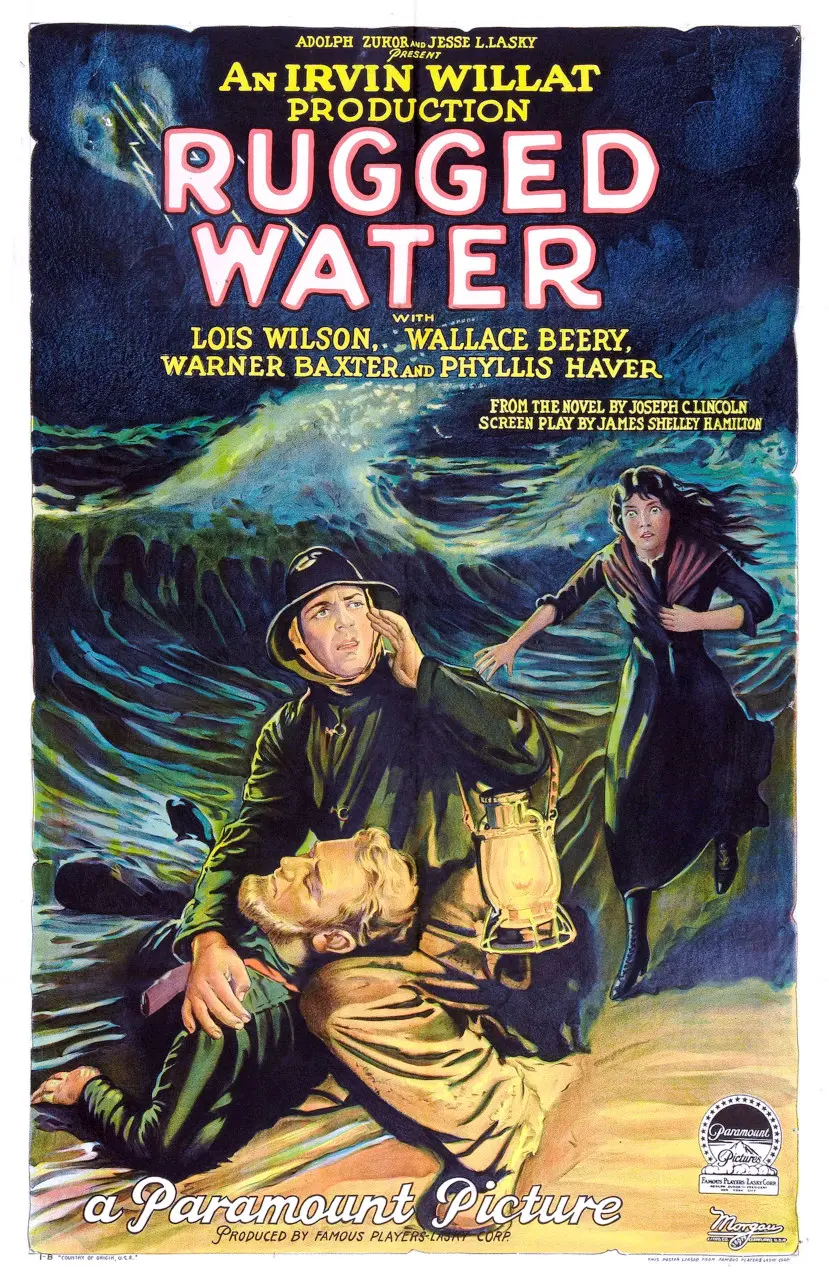
A definitive 7.4/10 rating for a film that redefined the boundaries of cult cinema. Rugged Water remains a cornerstone of transgressive art.
There's a certain timeless allure to tales spun against the backdrop of an unforgiving sea, where the raw power of nature often mirrors the tempestuous currents within the human spirit. Rugged Water, a cinematic endeavor from 1926, masterfully captures this profound interplay, delivering a narrative that, despite its silent era origins, resonates with an enduring psychological depth and thrilling dramatic tension. It’s more than just a story of maritime heroism; it’s an intricate tapestry woven with threads of ambition, jealousy, moral fortitude, and the arduous path to redemption. This film, penned by the evocative minds of James Shelley Hamilton and Joseph C. Lincoln, and brought to life by a compelling cast including Knute Erickson, Phyllis Haver, and the indomitable Wallace Beery, stands as a testament to the power of early cinema to convey complex emotional landscapes without uttering a single word.
From the outset, Rugged Water immerses its audience in the stark realities of life at the Setuckit Life Saving Station on Cape Cod. This isn't a quaint coastal idyll; it's a crucible where character is forged or broken by the ceaseless demands of duty and the ever-present threat of the ocean's wrath. The narrative pivots around Calvin Homer, a character whose stoic competence and unwavering dedication make him the natural successor to the retiring captain. He embodies the quiet heroism often overlooked in favor of more flamboyant figures. His expectation of promotion isn't born of arrogance, but of a deep-seated understanding of his own capabilities and a commitment to the lives he protects. This initial setup immediately establishes a sense of justice deferred, a theme that, much like in films such as The Coming of the Law, explores the societal struggle between merit and perceived authority.
The arrival of Bartlett, the appointed captain, ignites the central conflict. Bartlett is a fascinating, if ultimately tragic, antagonist. He represents the danger of public image over substance, a man whose religious fervor and carefully cultivated newspaper publicity have elevated him beyond his true merits. He is a 'paper tiger' in a world that demands the courage of a lion. His appointment is a stark injustice, a slap in the face to Calvin's years of loyal service, forcing Calvin to a breaking point. His immediate response, a resignation, is entirely understandable, an act of defiance against a system that values superficiality over genuine capability. This moment of moral outrage, a man standing up for his principles, is a powerful early anchor for the audience's empathy.
Yet, the plot thickens with the introduction of Norma, Bartlett's daughter, portrayed with a nuanced vulnerability that instantly draws Calvin in. Her plea for him to stay, born of a nascent admiration and perhaps a premonition of her father's inadequacy, becomes the pivotal turning point. This intertwining of duty and burgeoning affection adds a layer of intricate emotional complexity, a romantic undercurrent that feels earned rather than contrived. The development of their relationship is handled with a delicate touch, characteristic of the era's ability to convey profound emotion through subtle gestures and lingering glances. Their connection is pure, a beacon of hope amidst the brewing storm of professional rivalry and personal betrayal.
However, no compelling drama is complete without a formidable obstacle to true love, and in Rugged Water, this role is filled by Myra Fuller, the village vamp. Myra is more than just a jilted lover; she’s a force of nature in her own right, embodying the destructive power of scorned pride and social manipulation. Her breaking off of her engagement to Calvin isn't just a personal slight; it's a public declaration, further isolating him and complicating his already fraught position. Her character adds a layer of societal judgment and personal vendetta that intensifies the stakes, reminiscent of the intricate social webs found in films like Forbidden Fruit, where public perception and private desires clash with devastating consequences. Myra's actions serve to highlight Calvin's unwavering integrity, as he remains steadfast in his new affection despite the social fallout.
The film builds inexorably towards its dramatic climax: a colossal storm that serves as both a literal and metaphorical tempest. The cinematography of these sequences, while constrained by the technology of the time, effectively conveys the sheer brutality of the elements. The crashing waves, the howling wind – all combine to create an atmosphere of palpable dread. It is during this cataclysmic event that Bartlett's carefully constructed facade crumbles entirely. When a vessel is sighted in distress, his religious fanaticism and public bravado dissolve into abject cowardice. His refusal to send out a rescue team isn't just a failure of leadership; it's a moral collapse, a betrayal of the very tenets of his station. This moment is a stark reminder that true courage isn't found in pronouncements, but in action, particularly when faced with overwhelming fear. The tension here is almost unbearable, a masterclass in silent film suspense.
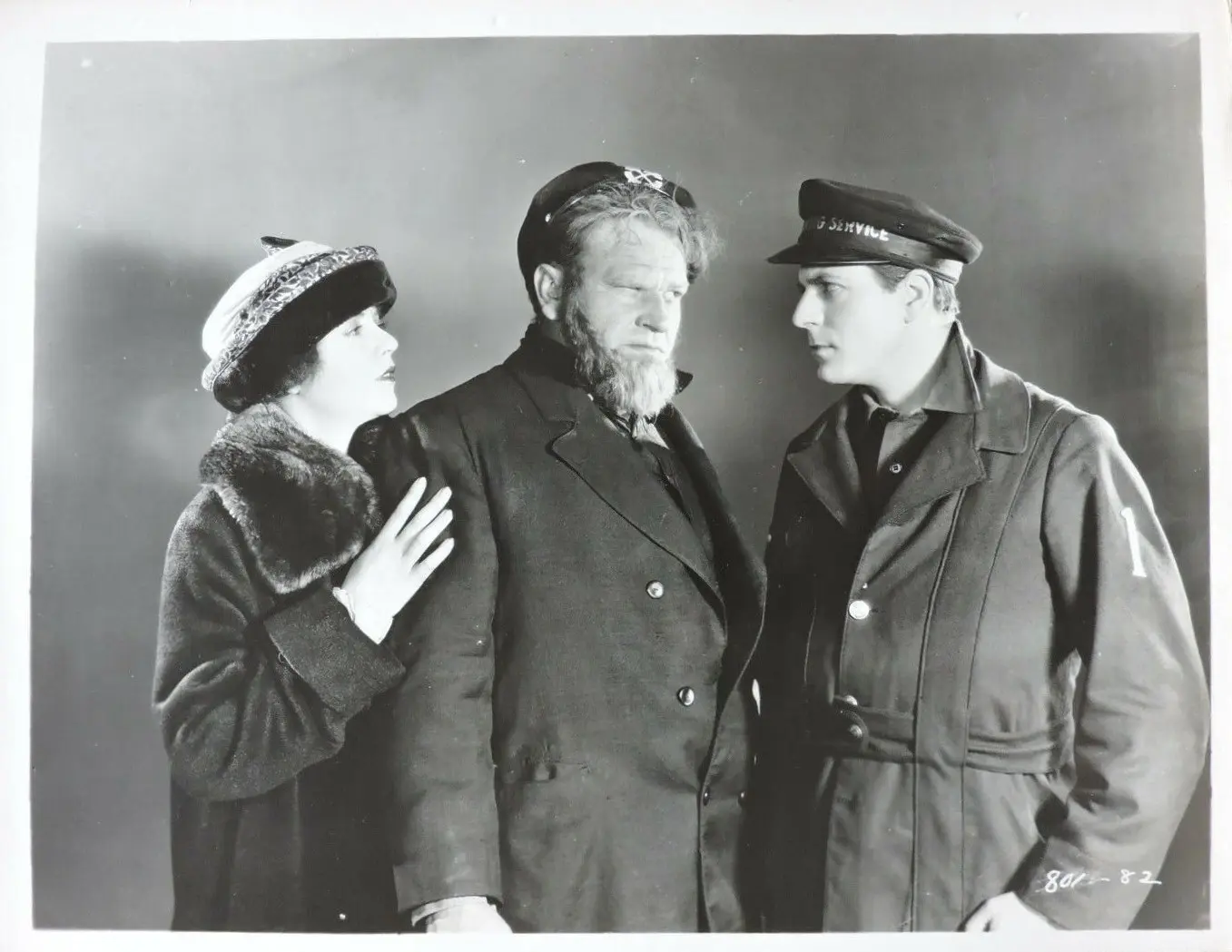
It is in this crucible of chaos that Calvin Homer truly shines. Disregarding Bartlett's craven orders, he steps forward, a figure of resolute determination. Rallying the men, he leads a daring rescue mission into the heart of the storm. These scenes are the epitome of cinematic heroism, a visceral portrayal of man against nature, where every wave, every gust of wind, feels like a direct challenge to the human spirit. The visual storytelling during this sequence is particularly impactful, conveying the immense physical exertion and the sheer bravery required. The audience is left with no doubt as to who the true leader is, and who possesses the mettle for such a demanding role. This triumphant act of salvation is not just a plot point; it's a profound statement on the nature of leadership and self-sacrifice, echoing the trials of individuals facing overwhelming odds in films like The Wolver, where survival against primal forces tests every fiber of one's being.
The immediate aftermath brings a swift, if not entirely satisfying, form of justice. Bartlett is discharged, his hypocrisy laid bare for all to see, and Calvin is rightfully appointed to replace him. This moment of vindication is powerful, but the film wisely doesn't end there, recognizing that the emotional and psychological fallout of such events is far more complex than simple poetic justice. Bartlett, driven insane by the shame and exposure of his cowardice, becomes a figure of profound pathos. His descent into madness, culminating in his suicidal venture into the rough waters in a small boat, is a chilling portrayal of a man utterly broken by his own failings. It adds a layer of Greek tragedy to the narrative, reminding us that even villains are capable of suffering, and that the consequences of one's actions can be devastating, not just for others, but for oneself.
And once again, it is Calvin who steps into the breach, not out of a sense of duty this time, but out of a profound humanity. He rescues Bartlett from the very waters that exposed his weakness, an act of compassion that transcends their previous antagonism. This second rescue is perhaps even more poignant than the first, highlighting Calvin's intrinsic goodness and his capacity for forgiveness. Bartlett's subsequent death from exposure, however, serves as a grim, yet fitting, end to his tortured existence. It clears the path for the emotional resolution, allowing Norma to finally see the truth. Her realization that Calvin was not responsible for her father's disgrace, but rather the embodiment of true strength and virtue, brings a cathartic release. The final scene, with Norma seeking refuge in Calvin's strong arms, is a powerful tableau of love, understanding, and the promise of a future forged in shared hardship and unwavering integrity. This arc of personal growth and eventual understanding for Norma is beautifully handled, showcasing the evolution of her character from a dutiful daughter to a woman who sees beyond superficial appearances.
The performances in Rugged Water are a masterclass in silent film acting. Knute Erickson, as Calvin Homer, imbues his character with a quiet strength and stoicism that makes his eventual heroic acts all the more compelling. His expressions convey a world of inner turmoil and steadfast resolve. Phyllis Haver, as Norma, brings a delicate grace and emotional depth, her eyes often reflecting the conflict and burgeoning affection she feels. But it is perhaps Wallace Beery, listed in the cast, who, even in a supporting or uncredited role (given the varying information on early film casts), would have lent a powerful presence, as he was known for his robust and often complex portrayals. The ensemble works cohesively, each actor contributing to the film’s rich emotional tapestry. The direction, while adhering to the conventions of the era, effectively builds tension and character, utilizing close-ups and dramatic staging to maximize emotional impact. The pacing, too, is commendable, allowing the story to unfold organically, building towards its dramatic crescendos without feeling rushed or sluggish.
Beyond its immediate narrative, Rugged Water touches upon universal themes that continue to resonate today. The conflict between genuine merit and superficial popularity, the corrosive nature of jealousy, the redemptive power of self-sacrifice, and the enduring strength of love against adversity are all explored with remarkable clarity. It’s a film that speaks to the inherent human desire for justice and the profound satisfaction found in seeing true character prevail. In an era often characterized by sensationalism, Rugged Water offers a thoughtful, emotionally rich experience. It reminds us that even without spoken dialogue, cinema possesses an unparalleled ability to communicate the deepest facets of the human condition. Its legacy lies not just in its historical place, but in its ability to still captivate and move an audience a century later, a testament to its enduring craftsmanship and timeless storytelling.
For those who appreciate the artistry of early cinema and stories that delve into the moral complexities of heroism and betrayal, Rugged Water is an absolute must-see. It’s a powerful drama that uses the perilous beauty of the sea as a magnificent stage for an intimate, yet epic, human struggle. It stands as a compelling example of how silent films, through evocative visuals and nuanced performances, could achieve a profound resonance, inviting viewers to ponder the true meaning of courage, leadership, and the often-turbulent journey towards personal and collective redemption. Much like the relentless waves that define its setting, the film leaves an indelible mark, a testament to the enduring power of classic storytelling. Its narrative force and thematic richness echo the intensity found in other silent era dramas, perhaps even touching upon the societal critiques seen in works like La terre, which also explored the harsh realities of life and the struggles of ordinary people against overwhelming forces. The film’s ability to weave together personal drama with a grand, elemental conflict ensures its place as a noteworthy piece of cinematic history.

IMDb 6
1932
Community
Log in to comment.